Last updated November 23, 2026
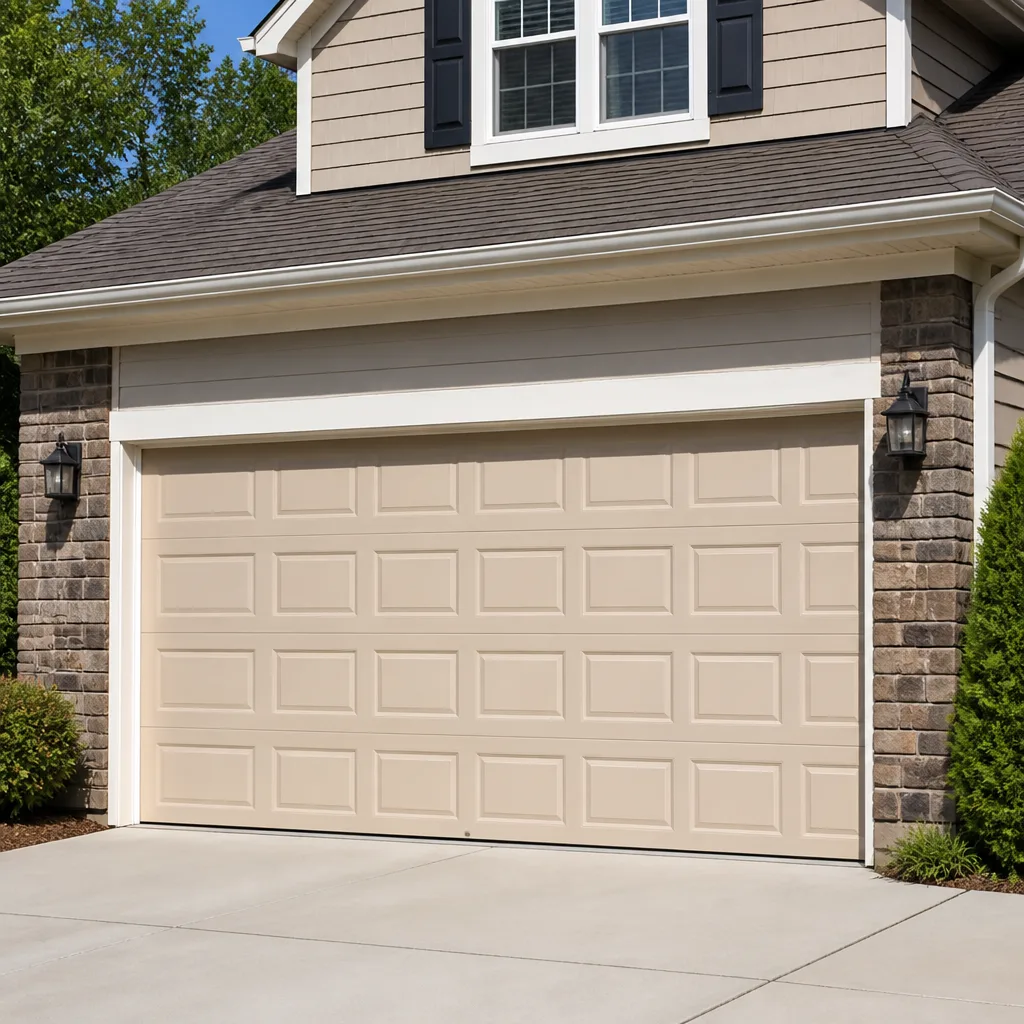 Raised-panel steel
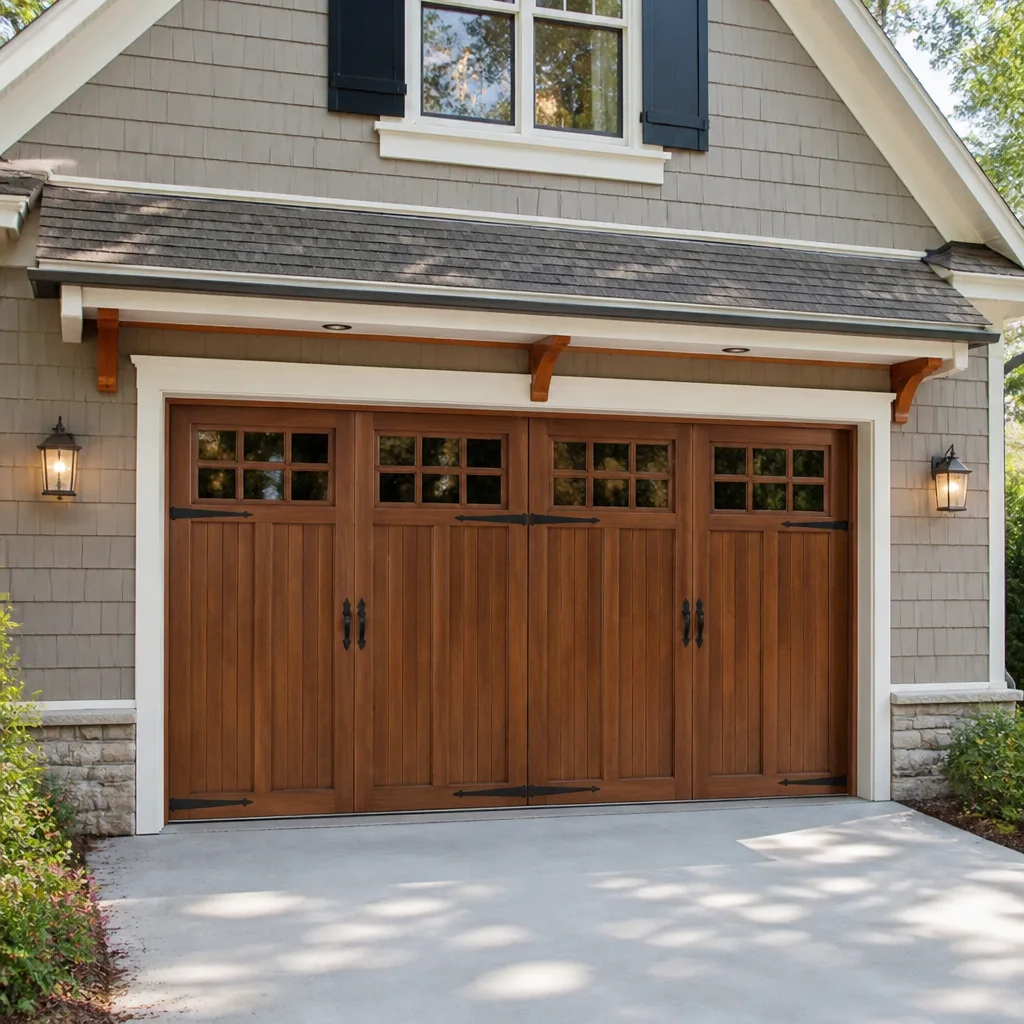 Carriage house
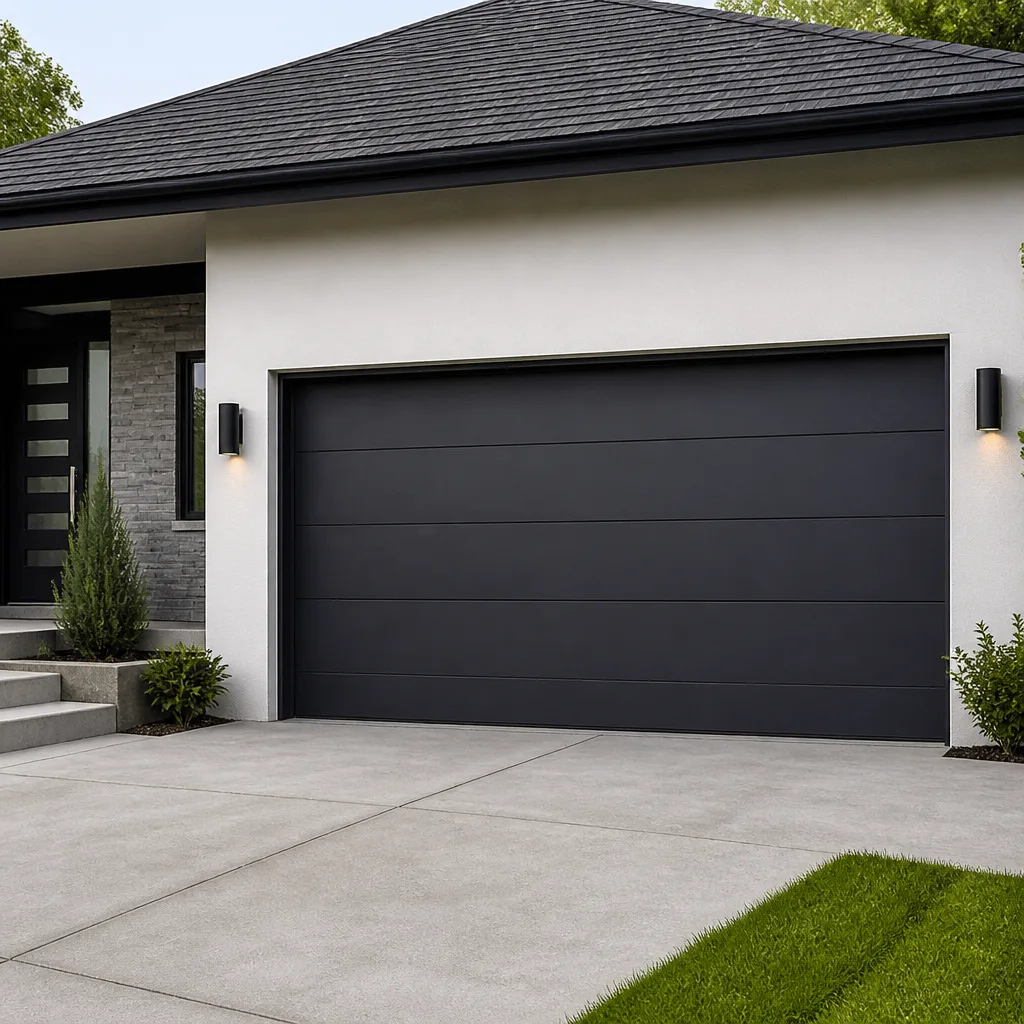 Modern flush
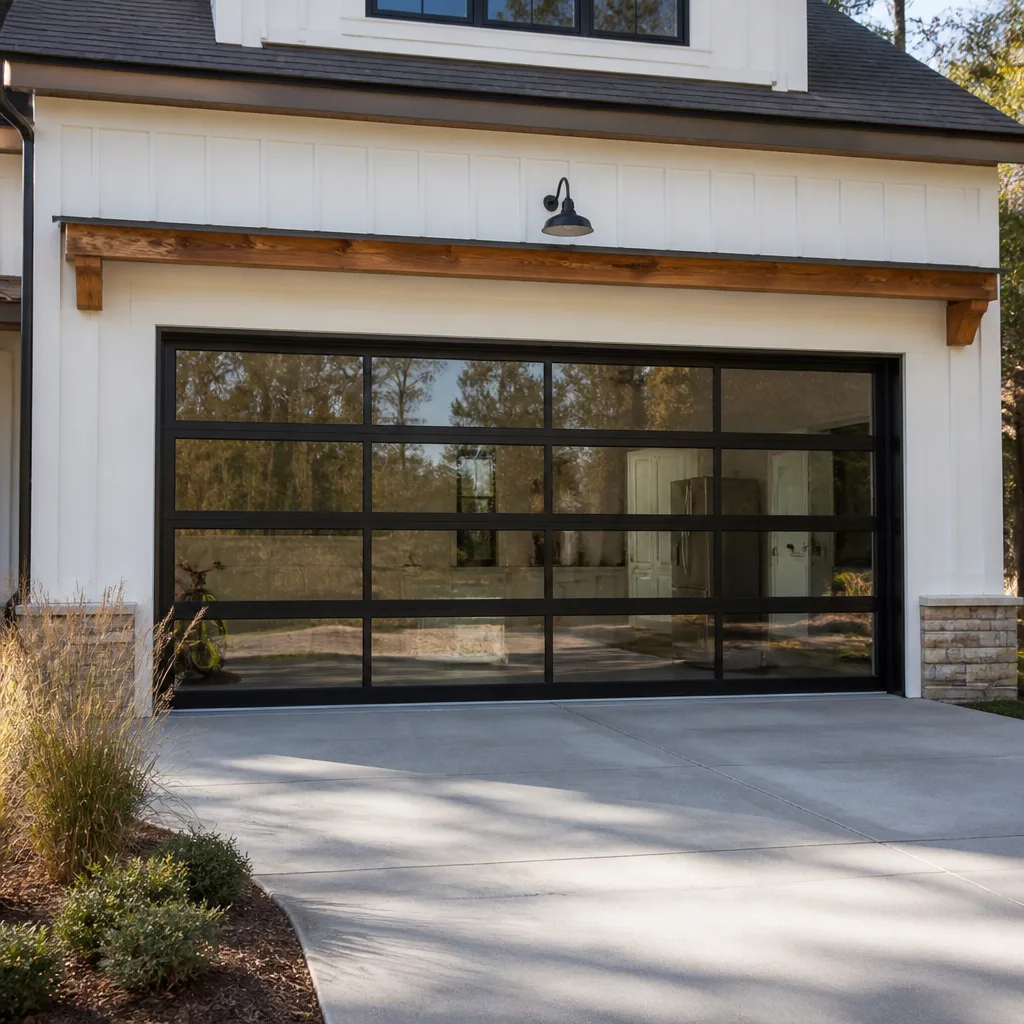 Full-view glass
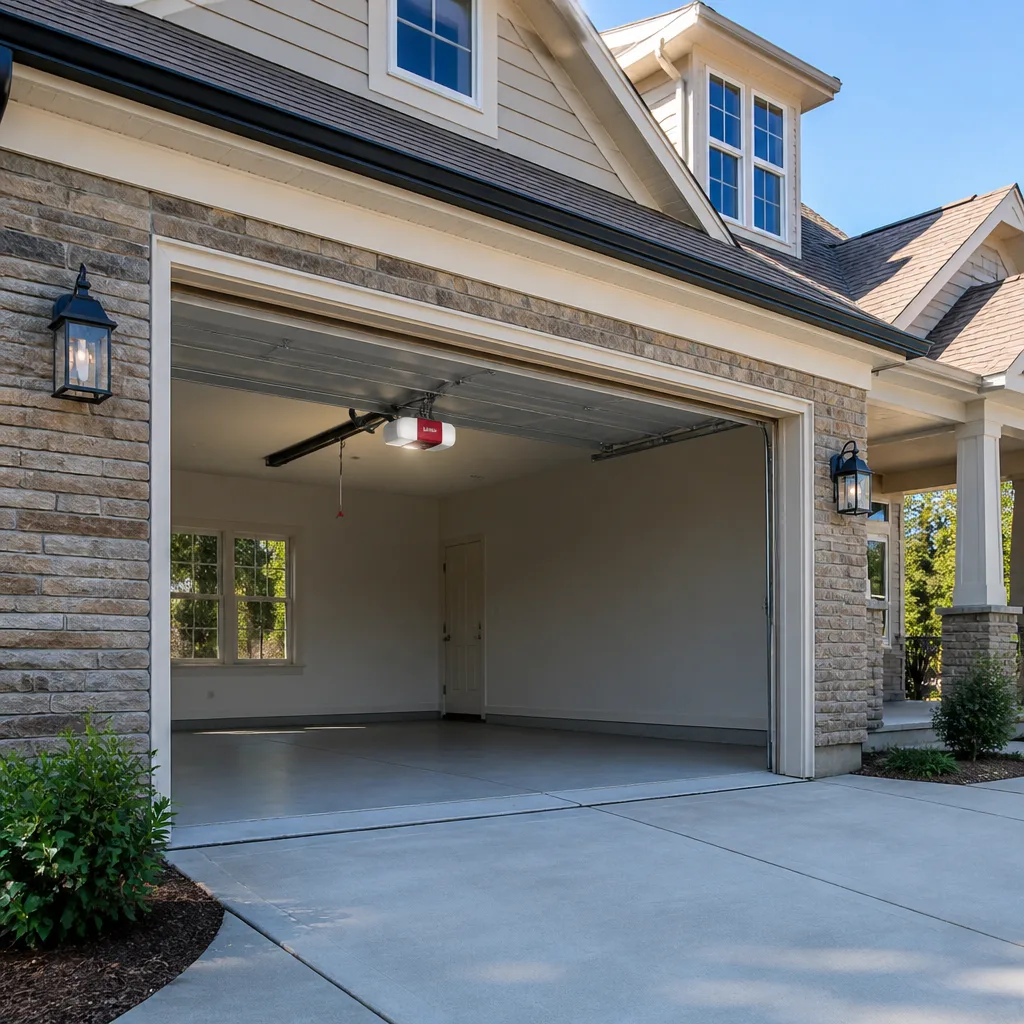 LiftMaster openers
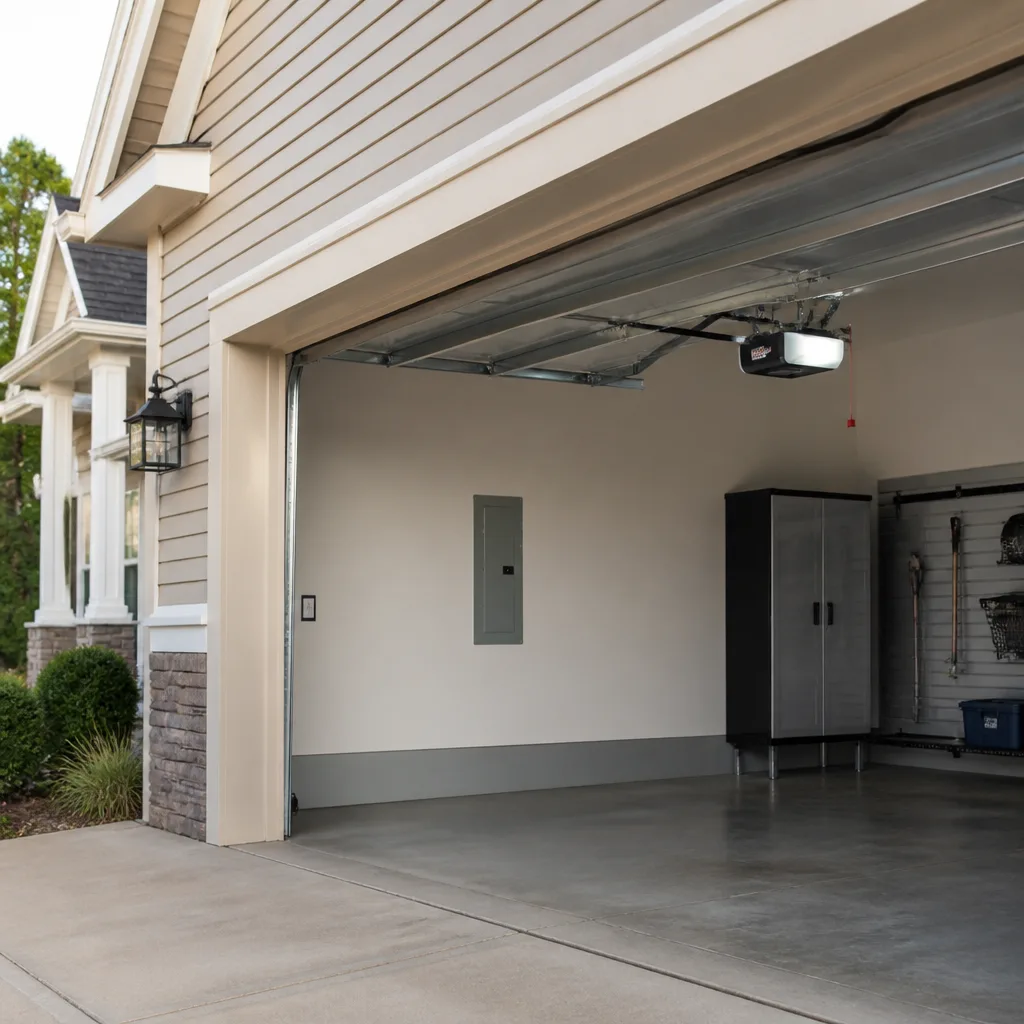 Chamberlain openers
Full 25-point door and opener safety check with every visit - springs, cables, rollers, tracks, and your LiftMaster or Chamberlain opener included
You get a price before we start. It does not change when the pro arrives.
Get your free estimateThe Complete Guide to Garage Doors in Tuckahoe
Most Tuckahoe homeowners replace a garage door once every 15 to 30 years. That means you’re making one of the larger exterior decisions on your house with almost no personal experience to draw from. The door you have now probably came with the house, and the opener may have been installed by whoever the builder hired. Here’s the reframe that changes how you spend money on this system: a garage door isn’t one product. It’s five interrelated components – panels, opener, springs, tracks, and weatherseal – each with its own lifespan, failure mode, and price tag. Treat it as one purchase and you’ll overspend. Treat it as a system and you’ll keep it running for decades. This guide maps the whole thing for Tuckahoe homes, from material choices in Virginia’s humidity to the order a skilled technician replaces parts.
Quick Answer
A garage door in Tuckahoe is best managed as a system rather than a single product: the door panels, opener, torsion springs, track, and weatherseal each wear out on different schedules, and replacing them in the right sequence extends the life of the whole assembly. Steel doors handle Virginia’s humidity swings best for most homes, belt-drive openers suit attached garages, and spring repair should always be handled by a trained technician because torsion springs store enough energy to cause serious injury. A written estimate from a specialist is the only reliable way to know what your door actually needs.
Styles & brands we work with
- Raised-panel steel
- Carriage house
- Modern flush
- Full-view glass
- LiftMaster openers
- Chamberlain openers
Table of Contents
- Why a Garage Door Is a System, Not a Purchase
- How Virginia Humidity and Temperature Swings Shape Door Material Choice
- Door Panel Warranties vs. Hardware and Opener Warranties
- Which Opener Drive Type Fits Your Tuckahoe Garage
- Reading a Door’s R-Value: When Insulation Actually Matters
- The Component Replacement Sequence That Saves Money
- Spring Repair: The Component You Should Never Touch Yourself
- When the Door Won’t Move: Emergency Service Basics
Why a Garage Door Is a System, Not a Purchase
A garage door looks like one moving object. Mechanically, it’s a chain of components that depend on each other. The opener pulls. The springs counterbalance the door’s weight so the opener doesn’t have to. The track guides the panels. The rollers reduce friction. The weatherseal keeps water and air out. When one part goes bad, the strain shifts to the others, and that’s where expensive surprises come from.
Here’s how the lifespans typically stack up for a door on a Tuckahoe home:
- Panels: 15 to 30 years, depending on material and how well the finish holds up.
- Torsion springs: 7 to 12 years for a standard cycle count, shorter if the door runs several times a day.
- Opener: 10 to 15 years before the motor or logic board starts failing.
- Rollers and hinges: 5 to 10 years before metal rollers wear flat and start grinding.
- Weatherseal: 3 to 7 years before the rubber hardens and cracks.
- Cables: Replaced with the springs, and inspected at every service call.
Watch how those windows overlap. A door panel that’s still solid can easily outlive two sets of springs and one opener. Homeowners who understand the schedule replace the cheap parts on time and keep the expensive parts alive. Homeowners who treat the door as a single fixture wait until the whole thing is failing, then buy a new door and opener together. Same house, very different bill. If you want to understand the underlying work involved, our guide to garage door repair covers what’s included in each type of call.
Because we work on garage door systems every day in Tuckahoe, we see the same pattern repeatedly: a door with a blown spring gets parked and never touched again, and by the time it’s looked at, the opener has burned out trying to lift a dead-weight door. That’s a system failure, not a component failure, and it’s almost always avoidable.
How Virginia Humidity and Temperature Swings Shape Door Material Choice
Tuckahoe sits in central Virginia, which means humid summers, damp shoulder seasons, and winters cold enough to freeze. That combination is hard on exterior wood and hard on any door with a finish that lets moisture underneath. When you’re choosing a material, you’re really choosing how it fails over time – not whether.
Steel is the workhorse choice for most homes here. A steel door with a good factory finish and insulated core handles the humidity swings with minimal upkeep. The panels won’t warp or split, and when they do get damaged it’s usually cosmetic – a dent from a bumper or a lawn mower. The weak points are the bottom edge, where water pools, and any scratch that gets through the primer. Keep those spots touched up and a steel door lasts decades.
Wood is where Tuckahoe’s climate gets expensive. Wood looks great on a carriage-style frontage and it’s what a lot of older homes in the area originally had. But wood expands in humid summer air, contracts in winter, and pulls paint and stain along with it. Unless the door is inspected and refinished on a real schedule – not an optimistic one – moisture finds the bottom rail and the joints, and rot starts inside where you can’t see it.
Composite and fiberglass fill the middle ground. They mimic wood grain well, don’t absorb water, and hold a finish better than wood in this climate. Faux-wood composite doors from brands like Clopay and Amarr have come a long way and are a sensible choice for a Tuckahoe homeowner who wants the look of wood without the refinishing calendar.
Aluminum is light and rust-resistant, which suits humid climates, but it dents more easily than steel and offers less structural rigidity. It’s usually the right answer for large glass-paneled doors and the wrong answer for a door that faces a driveway where kids play.
One local consideration that doesn’t get mentioned often: the direction your door faces matters. A west- or south-facing door takes more direct sun and more thermal expansion across the day, which stresses the finish and the weatherseal faster than a door that faces north. If you’re choosing between two materials and one is better at handling temperature cycling, that’s the door your house actually needs. Our team at Tuckahoe Garage Door Repair Pros can look at your specific setup and tell you what a material choice will cost you over the door’s life, not just on day one.
Door Panel Warranties vs. Hardware and Opener Warranties
This is the single most misunderstood part of a garage door purchase, and it’s where homeowners lose money quietly. A garage door purchase carries multiple warranties, not one, and each covers a different slice of the system. When something fails, the warranty that matters is the one attached to the specific part that broke.
Here’s the breakdown most people never see clearly:
- Panel warranty: Covers the door sections themselves – typically against manufacturing defects, cracking, and sometimes finish. It usually does not cover dents, damage from a vehicle, or anything installed by someone else.
- Hardware warranty: Covers hinges, rollers, brackets, and sometimes track. Often short – measured in a few years, sometimes less.
- Spring and cable warranty: Covers the torsion or extension springs. Because springs fail predictably with cycle count, many warranties are cycle-limited rather than time-limited.
- Opener warranty: Sold separately, from a different manufacturer. A LiftMaster or Chamberlain opener has its own coverage on the motor, the logic board, and the belt or chain – and those periods are different from each other.
Where homeowners get burned: the door panel warranty still has years on it, but the opener fails, and people assume the door warranty covers it. It doesn’t – different manufacturer, different document. Or the reverse: the opener is fine but the door finish is failing, and nobody can find the panel warranty paperwork. Or a repair was done with aftermarket parts that voided the hardware coverage without anyone explaining that at the time.
The practical fix is simple. When a garage door is installed or repaired in Tuckahoe, keep the paperwork for each component in one place, and know which manufacturer issued which document. Clopay, Amarr, Wayne Dalton, and the major opener brands all warranty their products independently. When a technician comes out, ask which warranty covers the part being fixed and confirm the replacement uses brand-matched parts so the coverage stays intact. Our garage door opener repair page explains how brand-specific parts factor into keeping that coverage valid.
Which Opener Drive Type Fits Your Tuckahoe Garage
Most homeowners buy an opener based on what the neighbor said or what was on sale. The drive type actually depends on your garage’s configuration, not the price tag. There are three main drives you’ll choose between, plus one specialty option for low-clearance and side-mount setups.
- Chain drive: The oldest, toughest, and loudest. A steel chain pulls the door. It handles heavy doors without complaint and is the right pick for a detached garage or any garage where noise doesn’t carry into a bedroom above it. It’s what a lot of Tuckahoe homes with an older build already have, because it was the default for decades.
- Belt drive: A rubber belt replaces the chain, and the noise drops substantially. This is the standard choice for attached garages on Tuckahoe homes, especially where a room shares a wall or sits above the garage. Belt drives from LiftMaster and Chamberlain are quiet enough that you often don’t notice the door running.
- Jackshaft (side-mounted): The opener mounts on the wall beside the door instead of the ceiling and turns the torsion bar directly. This is the fix for garages with low ceilings, structural bulkheads, or a beam right where the center rail would normally go. It clears the entire ceiling for storage or overhead equipment.
- Screw drive and direct drive: Less common but worth knowing. Screw drives are quiet and require very little maintenance. Direct-drive openers pull the door without a belt or chain and run quietly, but are typically only available from specific manufacturers.
The configuration question matters most for Tuckahoe homes with older garages – single-car bays, low-clearance ceilings, and tight wall spaces are common. A ceiling-mounted belt drive that won’t clear a beam is a waste of money. A jackshaft that clears the ceiling solves a problem the previous owner lived with for years. Our team works across LiftMaster, Chamberlain, Genie, and Craftsman openers, which means we can match the drive type to your garage rather than the other way around.
Reading a Door’s R-Value: When Insulation Actually Matters
R-value is a measure of how well a door resists heat transfer. It’s printed on the spec sheet and quoted in every sales conversation, and it’s the number most homeowners focus on hardest. What’s rarely explained clearly is that R-value matters a lot in some setups and very little in others.
For an attached garage – one sharing a wall or ceiling with the living space – insulation genuinely matters. A poorly insulated door lets summer heat and winter cold into the garage, and that heat or cold pushes through the shared wall into the house. An insulated door from a brand like Wayne Dalton or Clopay also quiets the door and helps with the temperature right above a garage bedroom. In Virginia’s humid summers, an insulated door also reduces condensation forming on the interior surfaces of the garage – one of the reasons bare steel doors sweat in July.
For a detached garage – no shared wall, no bedroom above, no living space adjacent – R-value is almost irrelevant to your energy bill. It’s still worth having some insulation for noise reduction if you use the garage as a workshop, and it’s worth it if you plan to heat the space. But paying for the highest R-value available on a detached garage door is spending money to keep the cold away from more cold.
When you read a spec sheet, keep these points in mind:
- R-value is usually quoted for the center of the door panel, not the whole assembly. A door with an excellent panel R-value still leaks air at the edges if the weatherseal is worn.
- R-value numbers are not standardized across manufacturers. Clopay’s testing methods and Amarr’s testing methods don’t always use the same formula, so compare with care.
- An insulated door is heavier, which stresses the springs and opener a bit more. That’s not a reason to skip it, but it’s a reason to make sure the springs are correctly rated for the door’s weight.
- Double-layer and triple-layer construction affect both R-value and durability. A steel skin over a foam core performs differently than two steel skins over an insulated core.
For most Tuckahoe homes with an attached garage and rooms above or beside it, an insulated steel door is the right answer – good R-value, good noise control, good longevity in this climate.
The Component Replacement Sequence That Saves Money
This is the section competitors gloss over. When a garage door starts misbehaving, the order in which a technician replaces parts determines whether you spend a little or a lot. Here’s the sequence specialists generally follow, and the reasoning behind each step.
- Inspect and operate. Before any parts change hands, the tech should run the door, listen to it, balance it by hand, and check the springs, cables, rollers, hinges, track, and weatherseal. Balancing the door tells you whether the springs are doing their job. Running it tells you where the friction is coming from.
- Lubricate and adjust. Sometimes there’s nothing broken. A door that grinds or shudders is often running dry rollers or a slightly out of alignment track. A quick lube on the rollers, hinges, and springs, plus a track adjustment, often resolves the symptom for a fraction of any replacement.
- Replace the wear parts first. Rollers, hinges, and weatherseal are inexpensive and are usually the cause of noise, uneven movement, and drafts. Replacing them can extend the life of springs and the opener because they reduce strain on the system.
- Check the springs. If the door won’t stay balanced with the opener disconnected, the springs are the problem. Torsion springs for a single door typically run in a mid-hundreds range on a Tuckahoe service call, and replacing both springs at the same time is standard practice because they wear at the same rate.
- Inspect the opener last. Only after the door itself is running smoothly should the opener be evaluated. Openers that “fail” are sometimes just trying to lift a door with dead springs and stripped rollers. A new opener on a poorly functioning door burns out early.
- Replace panels or full door only when structural. A bent track can often be straightened. A bent bottom panel sometimes can be replaced alone. A door with cracked sections, or one whose style is no longer available, is a full replacement. Full door is the last step, not the first.
Our garage door spring repair work follows this sequence exactly, because we’ve seen how often a spring replacement solves a problem the homeowner expected to cost four figures. For a deeper look at how targeted repairs can delay full replacement by years, our guide on garage door repair in Tuckahoe walks through common failure patterns.
Spring Repair: The Component You Should Never Touch Yourself
Torsion springs are under enormous tension – they exist to counterbalance the door’s weight, and that stored energy is enough to break a bone or worse if a spring releases unexpectedly. Springs and cables are the two components in a garage door system that a homeowner should never adjust or replace personally. If a spring is broken, or if a cable has slipped off, the door should be left closed and a trained technician called.
Here’s what’s safe for you to check, and what to leave alone:
- Safe to check: whether the door feels balanced when lifted by hand (with the opener disconnected), whether it stays open at the halfway point, whether the springs show an obvious gap or dangling piece, and whether the cables run straight down the side of the door without kinks.
- Not safe to touch: the torsion bar, the winding cones, the springs themselves, the cables, and the drums they run through. These components are under load even when the door looks still.
- The telltale sign of a broken spring: the door feels much heavier than usual, or the opener hums but can’t lift it. With garage doors, this is nearly always the torsion spring – not the opener.
Replacing a spring properly means measuring the door’s weight, choosing the correct spring size and cycle rating for that specific door, and winding the new spring to spec – the wrong spring size is a safety issue and will shorten the life of the opener. A Tuckahoe door that’s been left broken for a while also tends to develop secondary damage: the opener burns out, the cables stretch, and the rollers flatten from the load.
When the Door Won’t Move: Emergency Service Basics
Sometimes a garage door fails at the worst moment – the morning you need to leave, the evening you get home and the door won’t open. In those situations the answer is to call for emergency garage door service rather than attempt a self-fix. Emergency calls cover a broken spring, snapped cable, opener failure, off-track door, or door that’s jammed half open or closed.
What to do while you wait for a technician:
- Disconnect the opener if the door is partially open. The release cord hangs from the opener rail – pull it to free the door so it settles rather than fighting the motor.
- Do not force a stuck door up or down. Forcing a door with a broken spring can strip the cables or drop the door.
- Secure the space. If the door is stuck open, don’t leave the house unattended – the garage is open to the inside of your home.
- Call. Give the technician the door’s approximate age, its brand if you know it, and whether the door is up or down. That helps them come prepared.
Our team handles emergency garage door repairs across Tuckahoe with trained technicians who carry the knowledge to diagnose any of the major brands – LiftMaster, Chamberlain, Genie, Clopay, Amarr, Wayne Dalton, Craftsman, and Raynor. When your door fails, the brand on the label doesn’t change the urgency. Same call, same team.
Common Mistakes to Avoid
- Calling a general handyman for spring work. Torsion springs require specific training and specific tools. A generalist working on a garage door spring is a safety risk to themselves and to your door. Use a specialist who works on springs every week.
- Assuming the opener is broken when the door won’t lift. Nine times out of ten in our experience, an opener that hums but doesn’t move the door is fighting a broken spring. Replacing the opener first wastes money and burns out the new opener within a season.
- Buying a new door without checking the springs and opener first. A door that’s 20 years old and structurally sound with a good finish doesn’t need replacing. Targeted spring and hardware replacement often gets it another decade of service.
- Choosing a material by look alone in Tuckahoe’s humidity. A wood door that wasn’t refinished on schedule can rot from the bottom rail up in this climate. If you can’t commit to the refinishing, choose steel or composite and save yourself the maintenance bill.
- Buying the highest R-value for a detached garage. Insulation pays for itself on a door sharing a wall with living space. On a detached garage it mostly pays for nothing, and you can put that money into quieter openers or better hardware.
- Ignoring the weatherseal. It’s the cheapest part of the system and the one that lets water, drafts, and pests into the garage. Worn bottom seal invites moisture problems that eventually reach the panels.
- Losing the warranty paperwork. When the panel fails and the warranty would’ve covered it, having no record of which manufacturer issued which document means the door gets repaired out of pocket.
See the difference
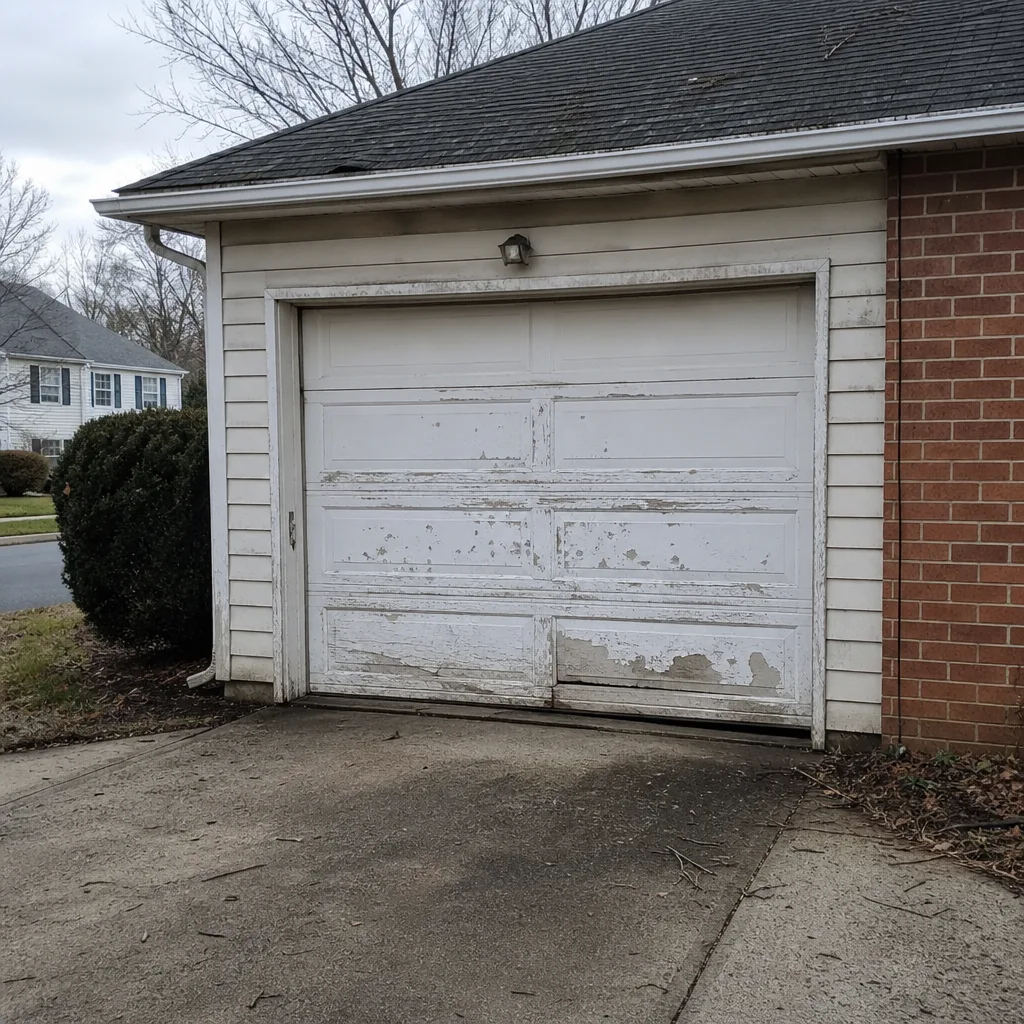 Before
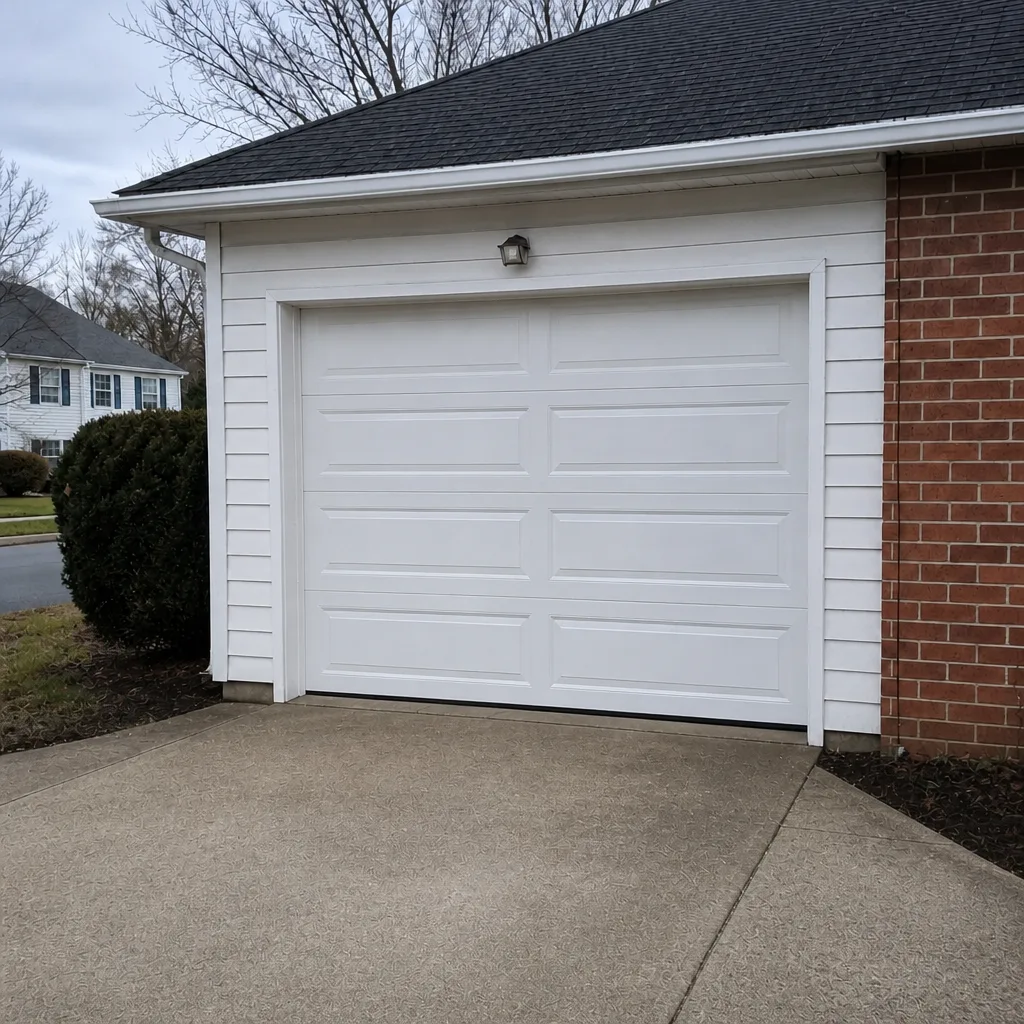 After
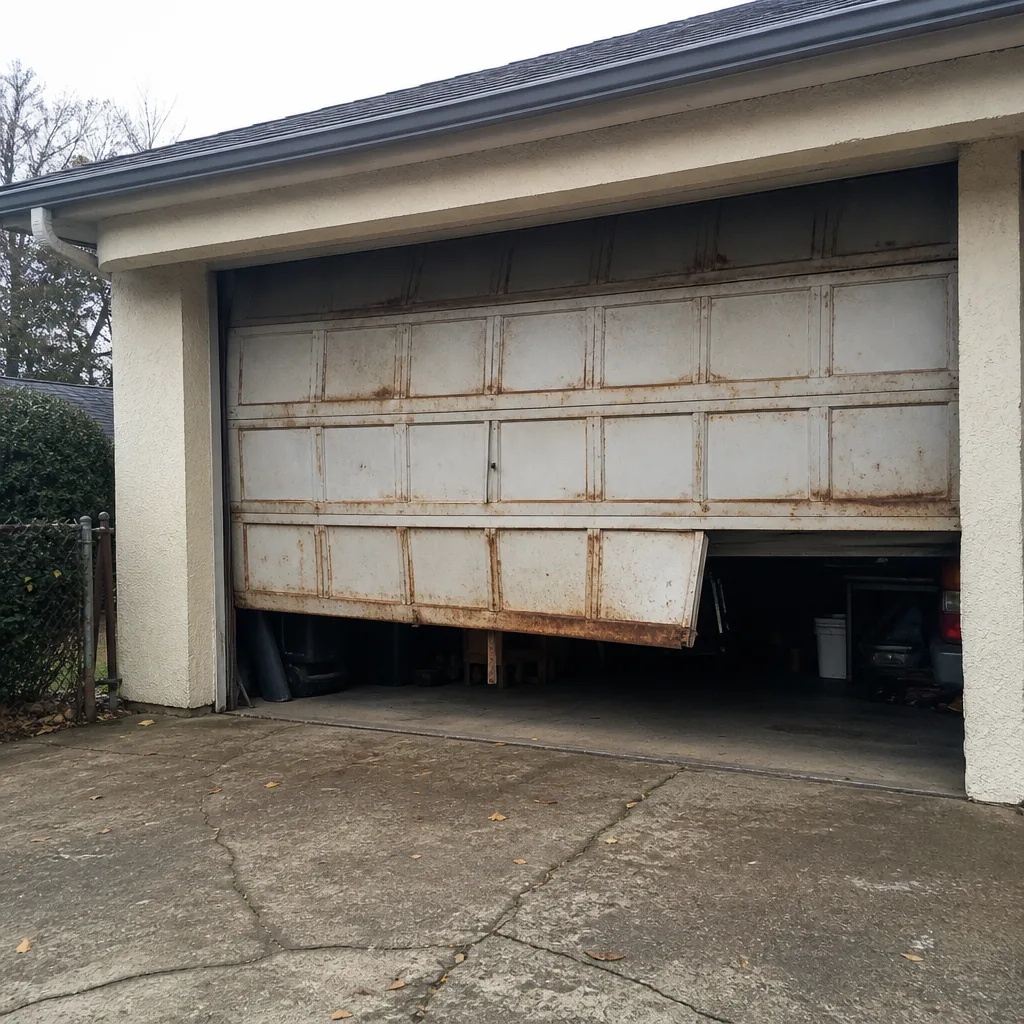 Before
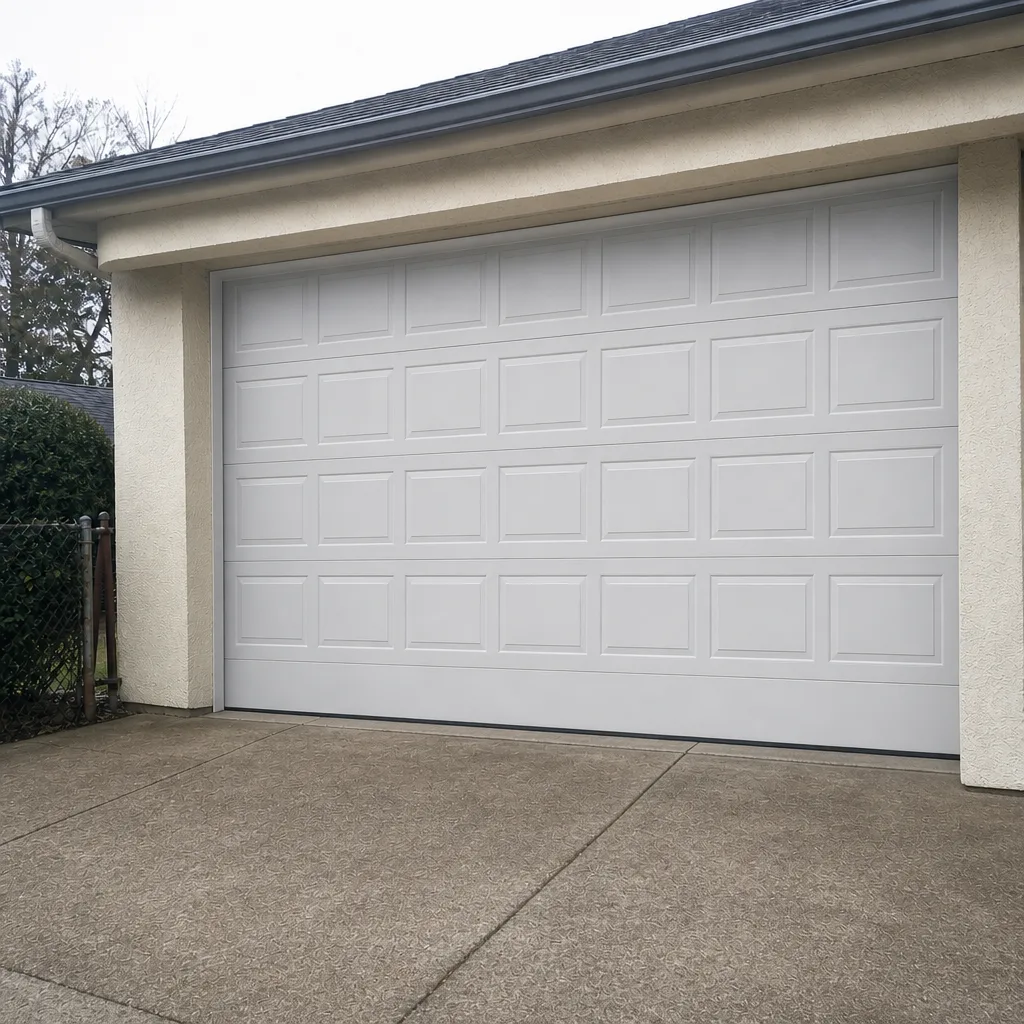 After
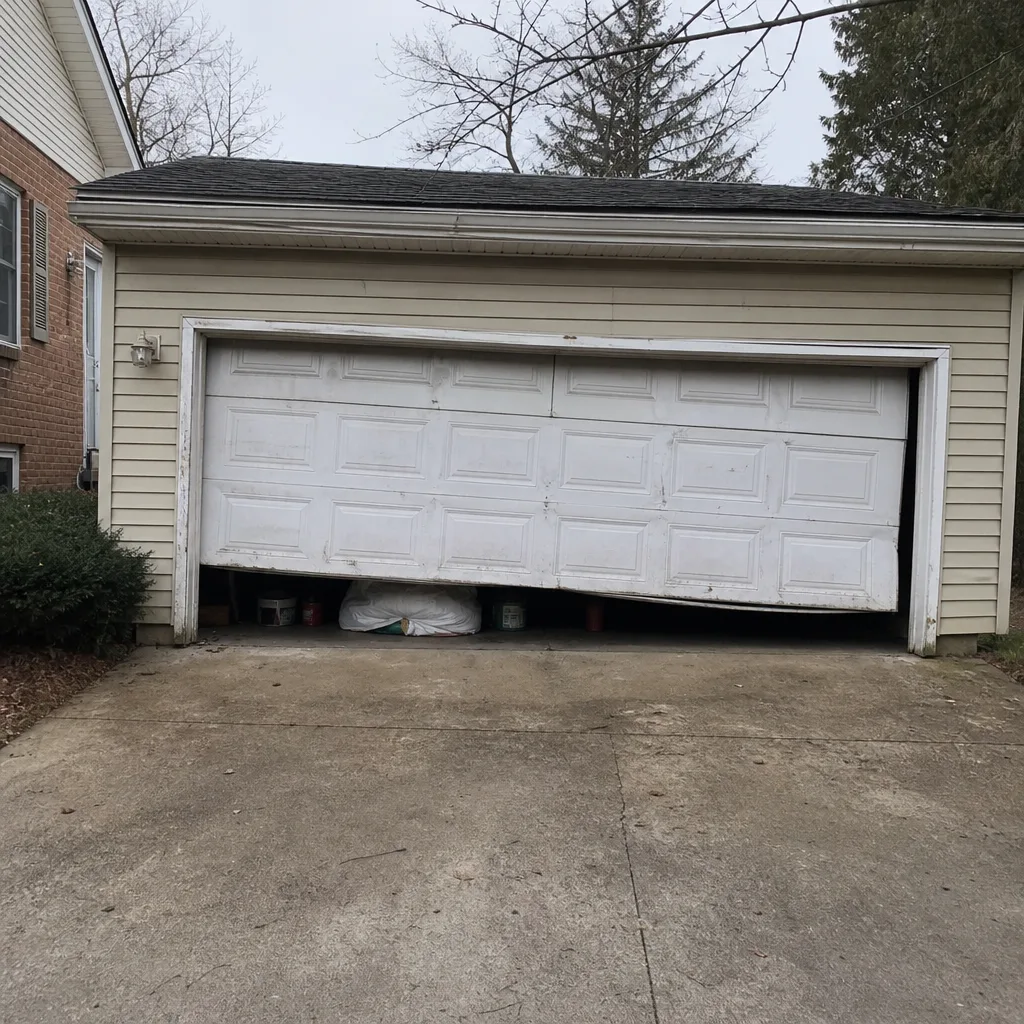 Before
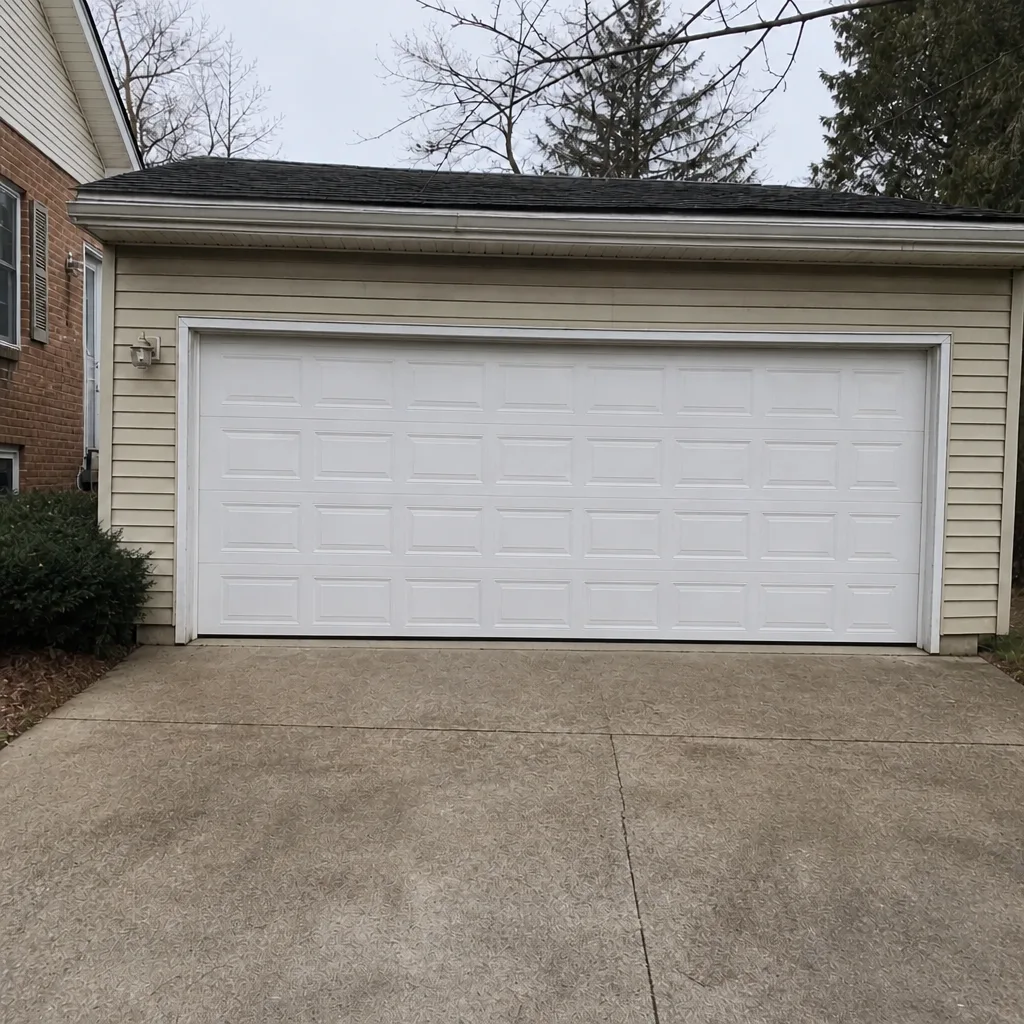 After
When to Call a Professional
Call a professional when a spring is broken, a cable has slipped or snapped, the door has come off its track, or the opener has failed and won’t respond to the wall switch or the remote. Call when the door is binding, grinding, or moving unevenly – those symptoms rarely fix themselves and usually get worse. Call before buying a new door, because a specialist can tell you whether the existing door has years left with targeted repairs. And call when the door won’t open and you need it open now, because emergency service exists for exactly that situation.
Tuckahoe Garage Door Repair Pros offers free estimates in Tuckahoe – call (866) 937-7740.
Frequently Asked Questions
Garage door spring repair in Tuckahoe typically runs in the mid-hundreds for a single torsion spring on a standard one-car door, and a matched pair is usually replaced together, so the pair costs about twice that. The written estimate you receive before any work begins is the price you pay – no surprise line items after the door is already apart. Call (866) 937-7740 for a free estimate.
Yes – emergency garage door service is one of our core offerings, and when the door won’t move we prioritize getting a technician to you as quickly as the schedule allows. Call us at (866) 937-7740 and give us the door’s brand, approximate age, and whether it’s stuck up or down. If you can, pull the release cord on the opener to disconnect the door before we arrive.
Repair is usually the right call unless the door has cracked sections, structural damage, or a style that’s no longer available. Springs, rollers, hinges, weatherseal, and even single panels can often be replaced independently, adding years to a door that looks and functions well. A trained technician can tell you during the estimate whether repair gets you another decade or whether replacement actually makes more financial sense.
Insulated steel is the best all-around choice for most Tuckahoe homes because it handles the humid summers and temperature swings without the refinishing workload that wood requires. Composite and fiberglass are solid alternatives if you want the look of wood without wood’s moisture problems. Wood can work well if you commit to refinishing on a real schedule – without that, moisture finds the joints and rot starts where you can’t see it.
In almost every case, yes. We work across LiftMaster, Chamberlain, Genie, Clopay, Amarr, Wayne Dalton, Craftsman, and Raynor – the eight most widely installed brands on the market. That means we can source brand-matched parts for your specific system rather than applying generic workarounds, which reduces repeat failures. Call (866) 937-7740 and tell us the brand on your door or opener before we schedule.
The price is quoted and agreed before any work starts, so the written estimate you receive after the technician inspects your door is the price you pay. If the inspection turns up something that changes the scope – a stripped panel behind a failed hinge, for example – the technician explains the difference and gets your approval before any additional work proceeds. You will not receive a surprise invoice. Call (866) 937-7740 for a free estimate.
The Bottom Line
A garage door in Tuckahoe lives or dies by how well you understand the system behind it. Panels, opener, springs, tracks, and weatherseal each have their own lifespan, and replacing them in the right sequence – wear parts first, springs next, opener last, panels and full door only when structural – is what keeps a door running for 20 to 30 years instead of 10. Insulated steel handles the Virginia humidity best, belt-drive openers suit most attached garages, jackshafts solve low-clearance ceilings, and door panel warranties don’t cover opener failures. Springs are the one part no homeowner should touch. Every estimate is free, every price is agreed in writing before work starts, and every job is done by a technician trained on the brand you already own. If any of this sounds like your door, call us – it’s the shortest path to knowing what your door actually needs.
Call Tuckahoe Garage Door Repair Pros at (866) 937-7740 for a free estimate on repairs, springs, openers, or a full new door installation.
Written by the team at Tuckahoe Garage Door Repair Pros.