Last updated November 23, 2026
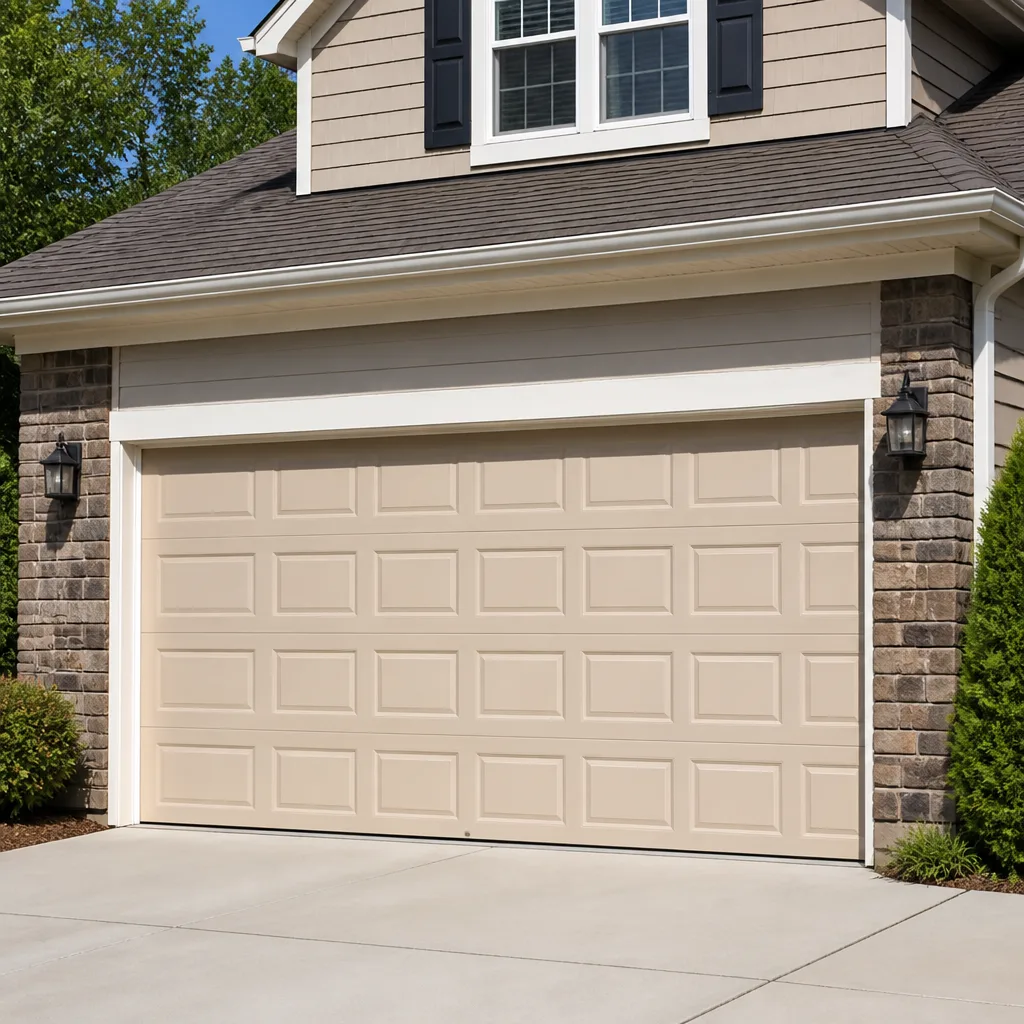 Raised-panel steel
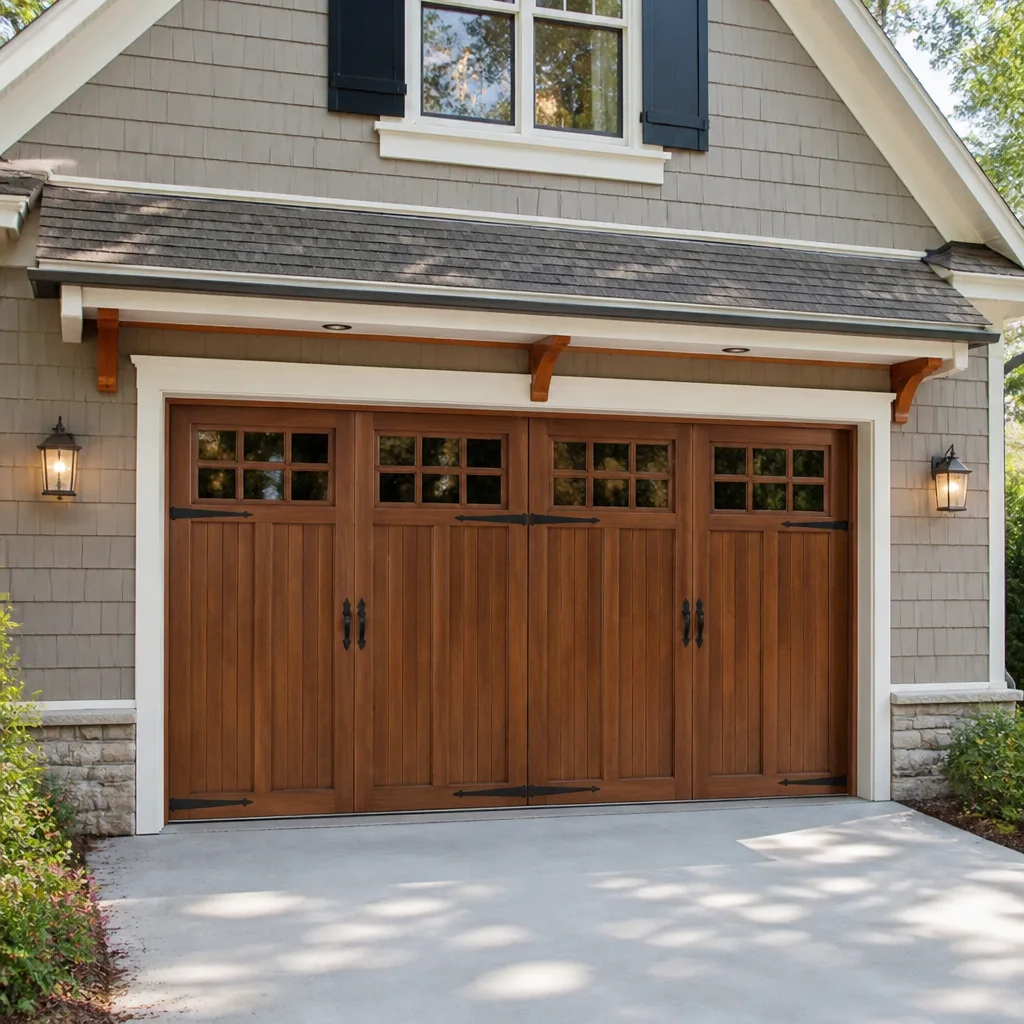 Carriage house
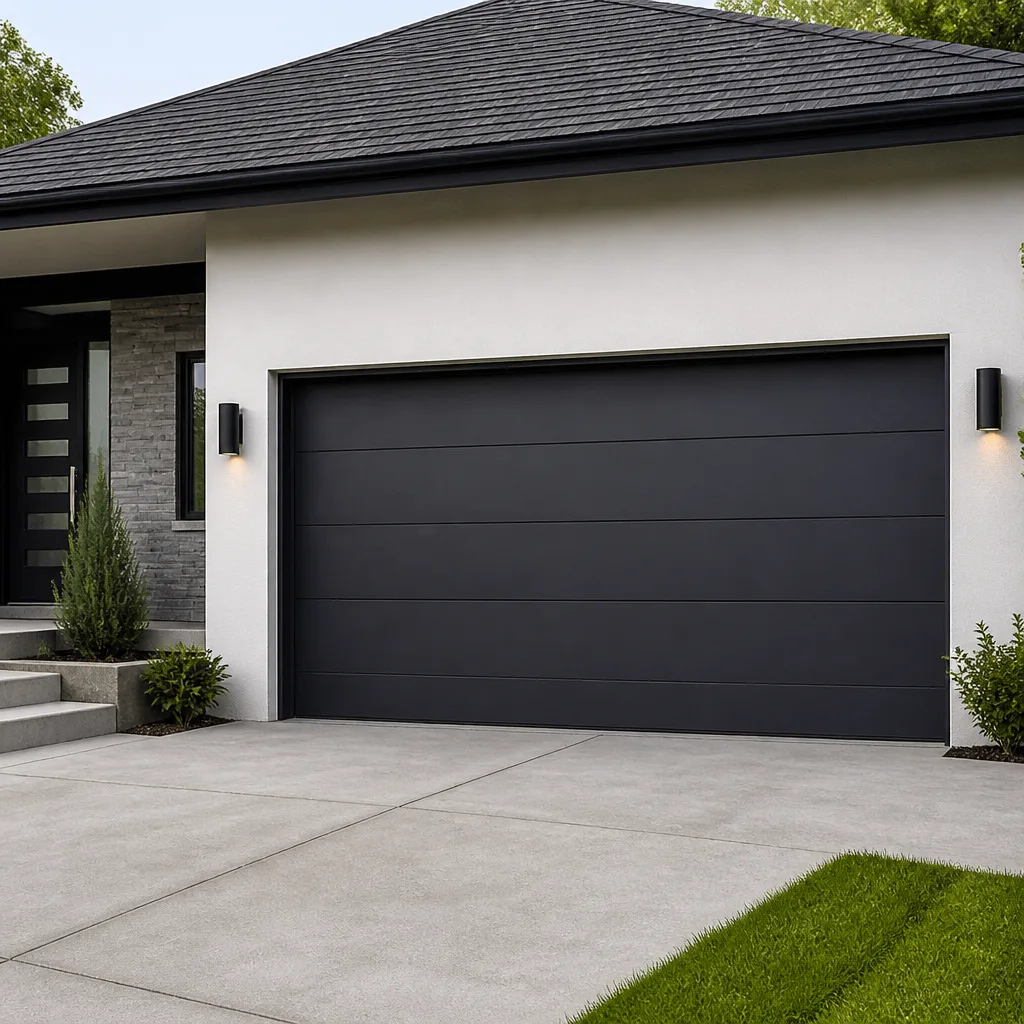 Modern flush
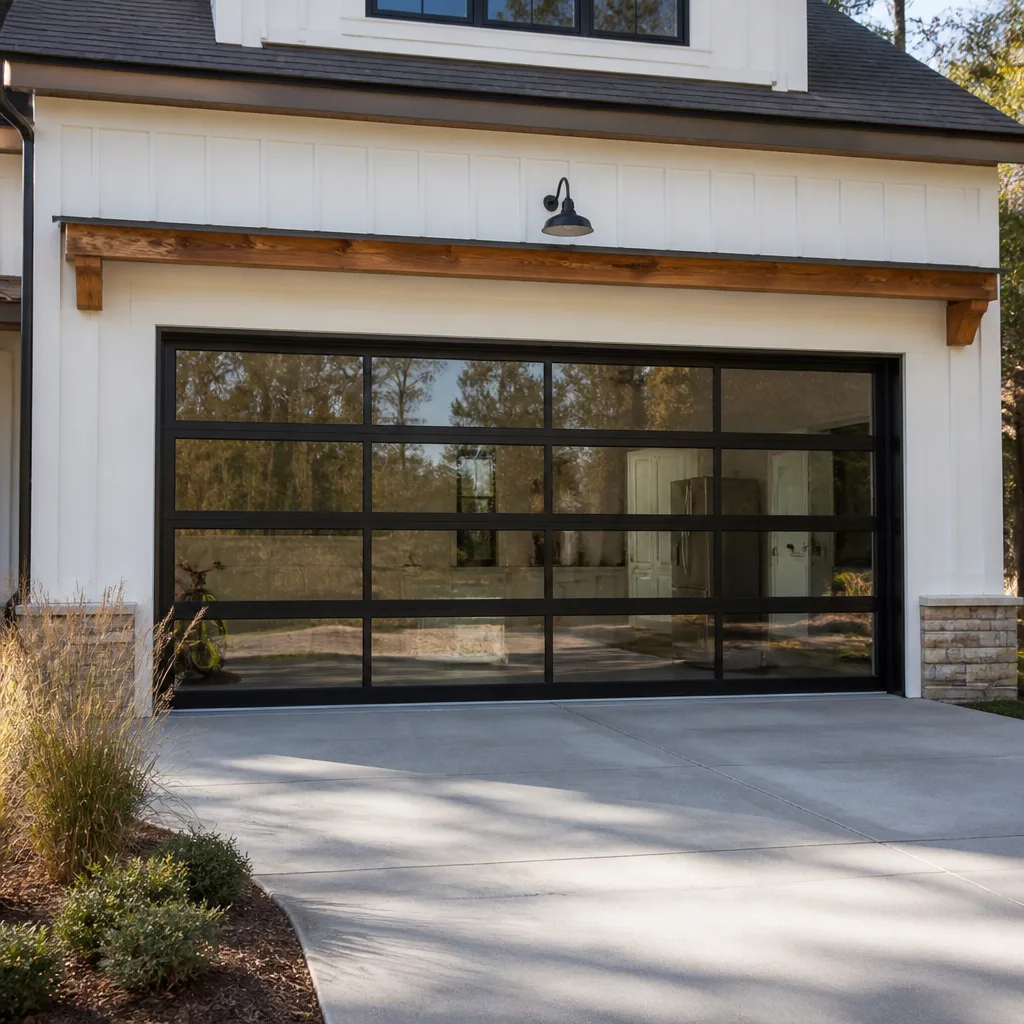 Full-view glass
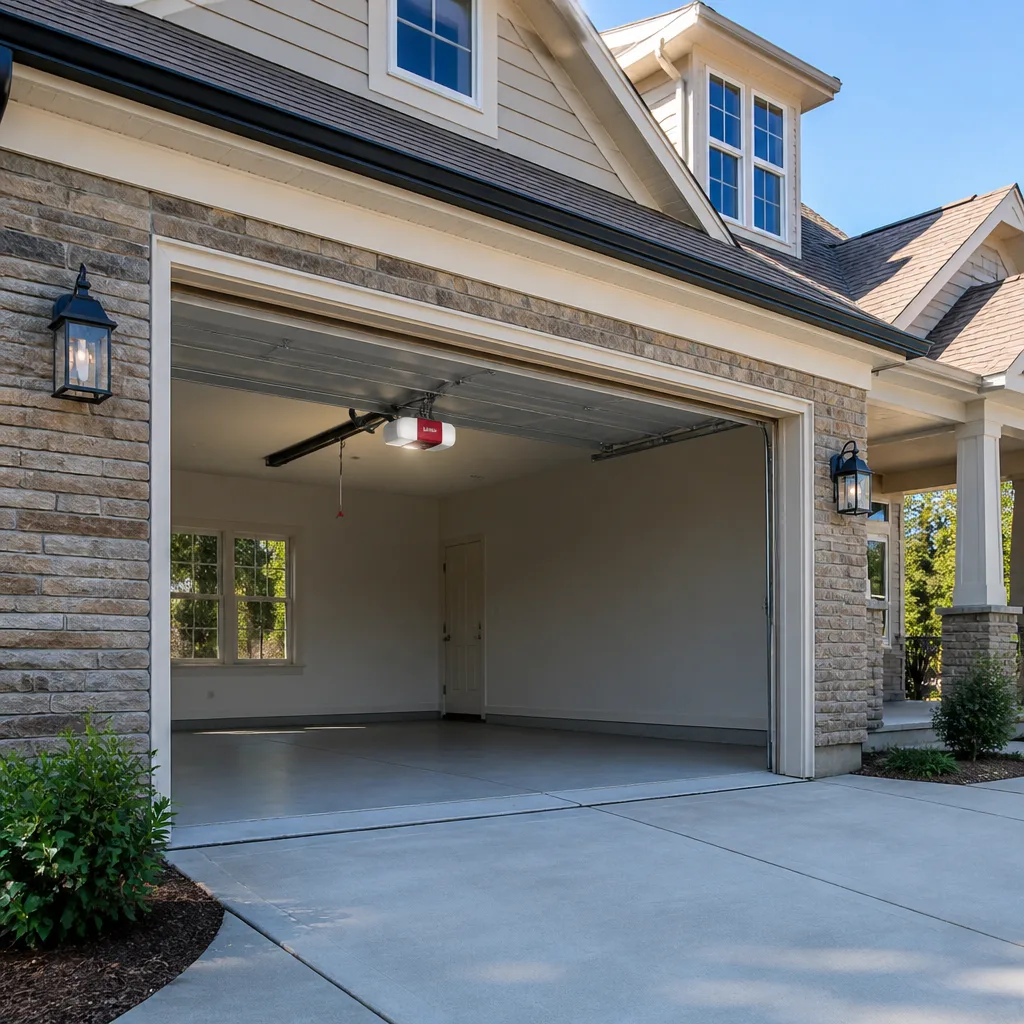 LiftMaster openers
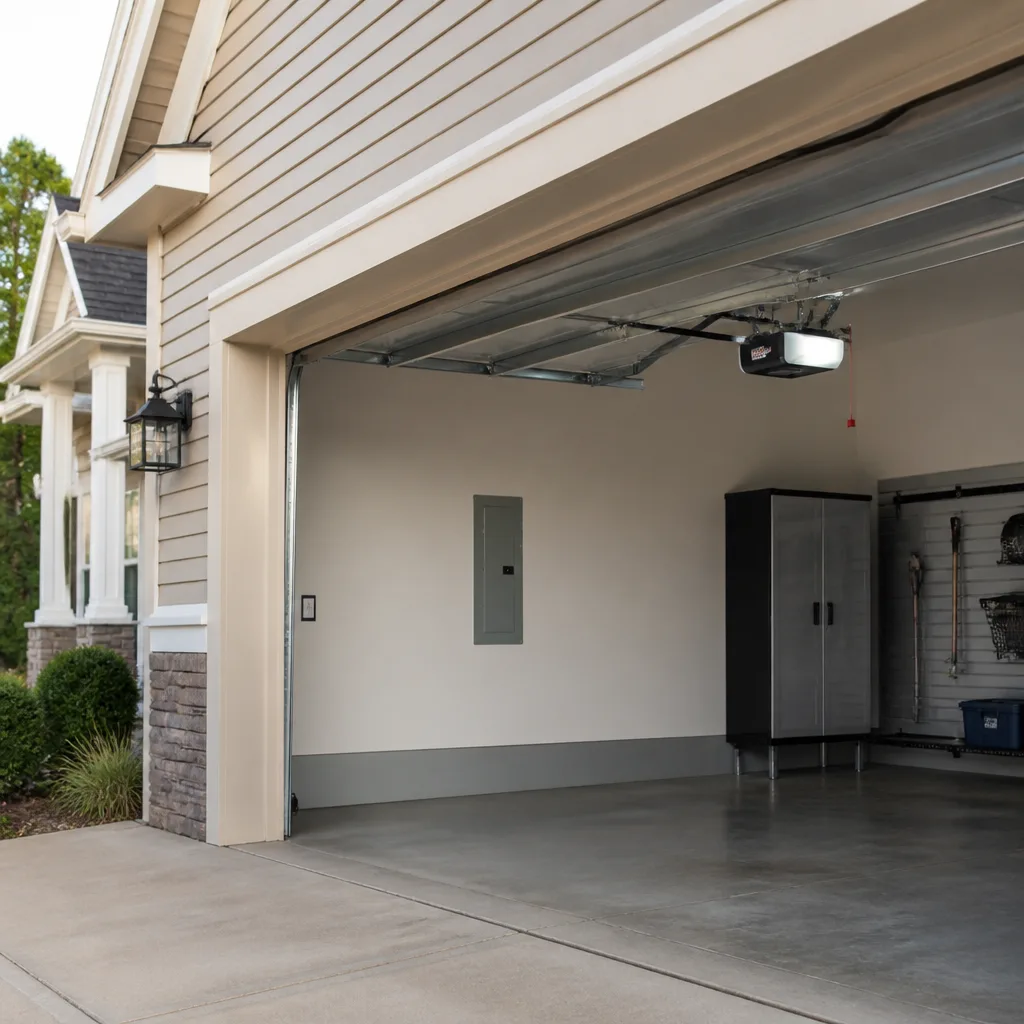 Chamberlain openers
Full 25-point door and opener safety check with every visit - springs, cables, rollers, tracks, and your LiftMaster or Chamberlain opener included
You get a price before we start. It does not change when the pro arrives.
Get your free estimateSeasonal Garage Door Care for Tuckahoe: Year-Round Homeowner’s Guide
Most homeowners think a garage door either works or it doesn’t. That binary view is exactly why so many Tuckahoe doors fail at the worst possible moment. A spring rated for 10,000 cycles is engineered to a fixed life, but winter cold makes metal brittle, and a spring that should last can snap well before its rated count as the temperature drops. The door gave no warning because nobody was watching the things that actually wear. This guide ties specific maintenance actions to each season’s mechanical threats in Tuckahoe, from post-winter spring tension checks to summer humidity on wood sections, fall weatherseal audits, and why the lubricant in your opener matters more below 20°F than at any other time of year.
Quick Answer
Seasonal garage door care in Tuckahoe means inspecting springs and tracks after winter cold, checking wood and composite door sections for humidity swelling in summer, auditing side and top weatherseals before fall storms, and switching to cold-rated lubricant before the first hard freeze. A 15-minute quarterly visual inspection catches roughly 80% of problems before they turn into emergency calls. The work that matters most is the inspection you do before failure, not the repair after it.
Styles & brands we work with
- Raised-panel steel
- Carriage house
- Modern flush
- Full-view glass
- LiftMaster openers
- Chamberlain openers
Table of Contents
- Why Seasonal Care Matters More in Tuckahoe
- Spring: Post-Winter Inspection for Springs, Tracks, and Seals
- Summer: How Tuckahoe Humidity Affects Wood and Composite Doors
- Fall: The Weatherseal Audit Before Heavy Rain
- Winter: Lubricant Viscosity and Cold-Weather Operation
- The 15-Minute Quarterly Inspection Routine
- Brand-Specific Care: What We Look For
- Safety: What Never to Touch Yourself
Why Seasonal Care Matters More in Tuckahoe
Tuckahoe sits in a climate band that delivers genuine stress to garage door systems in all four seasons. Summer humidity swells wood and warps seals. Winter cold stiffens springs and contracts metal tracks. Fall storm season tests the entire weatherseal system. And spring, the season homeowners expect to be easy, is when the accumulated damage from winter shows up as bent tracks and cracked bottom seals.
That combination is harder on a door than a climate that stays mild year-round or one that stays cold. In a stable climate, the door and its hardware expand and contract within a narrow band. In Tuckahoe, the same door can swing from high summer humidity to a hard freeze within months. Metal, wood, and rubber all respond to that swing differently, which is why seasonal maintenance works best when it’s matched to what each season actually does to the system.
Here’s what a Tuckahoe garage door faces across the year:
- Temperature swing: metal tracks and springs contract in cold and expand in heat, and the fasteners holding them loosen a little with every cycle of the swing.
- Humidity swing: wood door sections absorb moisture and swell in summer, then dry and shrink in winter, which stresses joints and paint.
- Storm load: the weatherseal system is what keeps wind-driven rain out, and it takes the most abuse in fall.
- Cycle load: every open and close is one cycle, and spring life is counted in cycles, not years. Cold accelerates the failure curve on that count.
None of this means a Tuckahoe door is doomed. It means the maintenance calendar here has real, mechanical jobs attached to each season. When we talk with homeowners about seasonal care in Tuckahoe, the conversation is usually about matching the action to the threat, not a generic checklist that sounds the same everywhere. You can read more about our full range of work on the Tuckahoe Garage Door Repair Pros home page, but this guide is about the care you can do yourself between professional visits.
One more thing worth stating plainly: most of the seasonal work below is inspection, cleaning, and lubrication. The dangerous components get flagged, not handled. Anyone who tells you to adjust torsion springs yourself is giving you advice that can put you in the hospital.
Spring: Post-Winter Inspection for Springs, Tracks, and Seals
Spring is when the damage from winter becomes visible. The post-winter inspection protocol targets three things: spring tension, track contraction damage, and bottom seal cracking from freeze-thaw cycles. This is the inspection that catches problems left behind by months of cold, and it’s the one most homeowners skip because the door still opens and closes.
Water gets into tiny cracks in the bottom seal, freezes, expands, and widens the crack. Repeat that across a Tuckahoe winter and what was a hairline becomes a real gap. The same freeze-thaw cycle works on metal tracks. A track that took a bump when it was contracted in cold may now sit slightly out of alignment, and a door running on a misaligned track wears its rollers and hinges faster.
Here’s the post-winter routine we’d suggest for any Tuckahoe home:
- Listen before you look. Open and close the door and listen. A bang, a grind, or a door that hesitates at the same point every time is information. Note exactly where in the travel the noise happens.
- Check spring tension by eye, never by hand. Look at the torsion spring above the door, or the extension springs along the sides. A gap in a torsion spring, or an extension spring that hangs loose, means it has failed or is about to. Don’t touch it. Call a professional. This is the part of the system where a mistake is dangerous.
- Look for track contraction damage. Run your eye down each vertical and horizontal track. The door should ride centered. If the gap between the door edge and the track is uneven, or a track looks bent, the door isn’t tracking correctly and needs a professional look.
- Inspect the bottom seal. Look for cracks, missing chunks, and hardened rubber. A cracked bottom seal lets water and cold air in all year, and it’s one of the cheapest parts to replace.
- Check the balance. With the door closed and the opener disconnected, lift the door halfway by hand and let go. A balanced door stays put. A door that drops or rises on its own has a spring or balance problem.
- Tighten what’s safe to tighten. Snug the bolts on the hinges and the brackets that hold the roller tracks, using hand tools only. Don’t overtighten, and don’t touch any fastener attached to a spring.
If the inspection turns up a spring that’s failed or clearly failing, that’s a job for a trained technician. Our garage door spring repair work exists because this is the most mechanically dangerous repair on a residential door, and it’s also the most commonly mishandled. Spring repair belongs to a pro, and getting it handled correctly the first time is what keeps the door safe for the rest of the year.
Summer: How Tuckahoe Humidity Affects Wood and Composite Doors
Summer humidity in Tuckahoe does different things to wood door sections and composite panels, and telling the two apart matters. Wood absorbs moisture, swells, and stresses its joints and paint. Composite and steel-backed panels resist moisture but can show seal or finish problems that look like material failure. Knowing which you’re looking at tells you whether the fix is a small repair or a bigger warning sign.
On a wood door, summer swelling shows up as sections that no longer line up perfectly, joints that look tight or slightly raised, and paint that starts to lift at the seams where moisture gets behind it. That’s not necessarily material failure. Wood moves with humidity, and a certain amount of seasonal movement is normal. The problem starts when swelling indicates seal failure: moisture getting into places it shouldn’t, like behind the bottom seal or into the end grain of a section. Once water gets in and can’t get out, you get rot, and rot is material failure.
Composite and steel-backed panels don’t swell the way wood does, but they can show humidity-related problems at the edges. A panel that looks fine in the middle can have a soft or bubbling edge where the finish has failed and moisture is working underneath. That’s a sign the surface protection is gone and the panel is now vulnerable.
Here’s how to tell which problem you have:
- Swelling that returns each summer and settles each winter: normal wood movement, managed with paint and sealant maintenance.
- Swelling that doesn’t settle, or soft spots you can press: seal failure letting water in, which needs attention before rot spreads.
- Bubbling or peeling at panel edges: finish failure on a composite or steel panel, which is a repair or replacement decision.
- Sticking or binding in humid weather only: the door is swelling against its tracks, and the tracks or hinges may need adjustment.
We work on wood, composite, and steel doors from Clopay, Amarr, and Wayne Dalton, and the summer inspection is largely the same across them: look at the edges, look at the bottom seal, and look at how the door sits in its tracks. If your door is binding in the humidity, that’s worth a professional look rather than forcing it, because forcing a swollen door stresses the opener and the springs. Our garage door repair service handles panel and section issues as well as track adjustments, and the written estimate always comes before any work starts.
Fall: The Weatherseal Audit Before Heavy Rain
Fall is when the weatherseal system earns its keep, and it’s the right time to audit side seals and top seals before heavy rain events hit Tuckahoe. The weatherseal is what keeps wind-driven rain and cold air out of the garage, and it’s the part of the door that takes the most abuse from storm season. A five-minute audit in early fall can save you a wet garage floor and a door that rusts from the inside.
There are three seals on a standard residential door. The bottom seal runs along the floor and is the one most homeowners notice when it cracks. The side seals run down each jamb where the door meets the frame. The top seal sits across the header above the door. All three work together, and a failure in any one of them lets weather past the others.
Here’s the fall weatherseal audit, in order:
- Bottom seal first. Close the door and look along the floor line from inside. You should see the seal compressed against the floor with no daylight and no gaps. If you can see light or feel a draft, the seal is worn or the door needs adjustment.
- Side seals next. Run a hand down each side seal where the door meets the jamb. The seal should press against the door face along its full length. Look for tears, gaps, and sections that have pulled away from the frame. A side seal that’s failed lets wind-driven rain straight into the garage.
- Top seal last. Look across the top seal above the door. This one is easy to forget because you don’t see it from the driveway. A torn or missing top seal lets water run down the inside of the door and into the tracks.
- Check the threshold. The threshold or floor seal at the base of the door should be dry and intact. If water pools against it during a storm, the bottom seal is the first suspect.
- Look for water staining. Any staining on the inside of the door, the tracks, or the floor near the door tells you a seal has already failed somewhere. Trace the stain back to its source.
Most weatherseal problems are cheap and quick to fix. The trap is waiting until after the first heavy rain to discover the seal was bad, because by then the water has already gotten into the door, the tracks, and the opener housing. A fall audit is a small job that prevents a bigger one. Fall is also a good time to schedule any repair you’ve been putting off, because garage door opener repair and seal work are easier to plan in mild weather than in the middle of a cold snap.
Winter: Lubricant Viscosity and Cold-Weather Operation
Winter care for a Tuckahoe garage door comes down to two words: lubricant viscosity. Standard lithium grease performs poorly below 20°F. It thickens, it stops flowing into the hinge pins and rollers, and it actually adds drag to the system instead of reducing it. A door that ran smoothly in October can feel stiff and slow in January, and the cause is often the grease, not the door.
Cold does more than thicken grease. Metal springs get brittle as they cool, which is why a spring rated for 10,000 cycles can snap at 7,000 in a cold Tuckahoe winter. Metal tracks contract and pull slightly out of alignment with the door’s travel. The opener, especially a belt-drive LiftMaster or Chamberlain unit, works harder to move a stiff door, and that extra load shortens the life of the opener’s gears and motor. None of this is visible from the driveway, which is why winter is the season when pre-emptive care pays off most.
Here’s what cold weather requires:
- Switch to a cold-rated lubricant. A silicone-based or synthetic cold-weather lubricant stays fluid below freezing where standard lithium grease doesn’t. Apply it to the hinge pins, the roller stems, and the bearing plates, not to the tracks themselves.
- Never grease the tracks. Tracks are meant to be clean and dry. Grease on the tracks collects grit and makes the door run worse, and in cold weather it turns into a sticky paste.
- Check the opener’s force settings if the door feels heavy. A door that struggles in cold weather is telling you the load has gone up. Don’t just turn up the opener’s force to compensate, because that masks a spring or balance problem. Have the door checked.
- Keep the bottom seal clear of ice. A door that freezes to the floor can tear its bottom seal when it opens. If you see ice building up at the threshold, clear it before you open the door.
- Listen for new noises. A door that bangs, grinds, or hesitates in cold weather has a problem that cold is making worse. The earlier you catch it, the smaller the repair.
We service openers from Craftsman, Raynor, Genie, and the rest of the major brands, and the winter conversation is often about matching the lubricant and the force settings to the actual load on the door. If your door is struggling in the cold, the safest move is to have it looked at before it fails. When the door won’t move at all, that’s an emergency, and you can call (866) 937-7740. Free estimates are available for planned work.
The 15-Minute Quarterly Inspection Routine
A 15-minute visual inspection four times a year catches roughly 80% of the problems that lead to emergency calls. The routine is the same in every season, with the seasonal emphasis from the sections above layered on top. The point isn’t to become a garage door technician. It’s to notice changes early, while they’re still small and cheap to fix.
Here’s the routine, in order, for any Tuckahoe home:
- Open and close the door and listen. Note any bang, grind, squeak, or hesitation, and where in the travel it happens. This is the single most useful thing you can do, and it takes 30 seconds.
- Look at the springs from a distance. Check for a gap in a torsion spring or a loose extension spring. Don’t touch them. If something looks wrong, stop and call a professional.
- Run your eye down the tracks. The door should ride centered, and the tracks should be straight. Look for bends, dents, and uneven gaps.
- Check the bottom, side, and top seals. Look for cracks, tears, and gaps. Feel for drafts with the door closed.
- Snug the hinge and bracket bolts by hand. Use hand tools only, and don’t touch anything attached to a spring.
- Test the safety reverse. Put a small block of wood on the floor under the door and close it. The door should reverse when it contacts the block. If it doesn’t, the opener’s safety setting needs attention.
- Lubricate the moving parts, seasonally. Hinge pins, roller stems, and bearing plates, with the right lubricant for the season. Never grease the tracks.
Do this four times a year and you’ll have a written-by-memory record of how your door behaves across the seasons. That record is genuinely useful. When something changes, you’ll know it changed, and you can describe the change to a technician instead of guessing. It’s also the best way to know when to call for a professional visit versus when to keep watching. The routine itself is inspection, not repair, and it’s designed to keep you on the safe side of the line between the two.
Brand-Specific Care: What We Look For
Brand-specific care matters because the right part and the right adjustment for one system can be wrong for another. We work on the brand you already have, and our technicians carry working knowledge of eight leading garage door and opener brands: LiftMaster, Chamberlain, Genie, Clopay, Amarr, Wayne Dalton, Craftsman, and Raynor. That range means we can diagnose and repair virtually any system a homeowner already owns, and it means the seasonal advice below is matched to the actual hardware, not a generic checklist.
The differences are real. A LiftMaster or Chamberlain opener has its own force and travel-limit settings, and the safety reverse test is the one to know for both. A Craftsman opener, common on older Tuckahoe doors, uses a different adjustment layout, and the seasonal care is the same in principle but different in where you look. On the door side, a Clopay or Amarr steel door and a Wayne Dalton wood door need different summer humidity attention, as the section above explains. Raynor doors have their own track and hardware patterns.
Here’s what brand-specific care means in practice:
- Matched parts: the correct spring, roller, hinge, or seal for your specific door and opener, not a generic part that happens to fit.
- Correct adjustments: force and travel limits set to the manufacturer’s specification for your opener model.
- Right lubricant and right intervals: some hardware wants more frequent lubrication than others, and the season changes the answer.
- Fewer callbacks: brand-matched repair reduces repeat failures, because the fix addresses the actual system instead of working around it.
If you’re not sure what brand you have, the label on the opener and the sticker on the door section will tell you, and a technician can confirm it on a free estimate visit. From a broken spring to a full new door, we handle the whole system for the brands above, so you don’t need to coordinate multiple specialists for different parts of the job.
Safety: What Never to Touch Yourself
Two parts of a garage door system are genuinely dangerous: the springs and the opener’s electrical connections. Torsion and extension springs store enough energy to cause serious injury, and the fasteners that hold them are under load. Electrical work on the opener, including wiring a new unit or replacing a failed component inside the housing, carries shock risk. Both belong to a trained professional, and the seasonal care in this guide is deliberately written as inspection, not instruction.
What that means for the homeowner:
- Don’t adjust, remove, or touch springs. Look at them from a distance and note what you see. Don’t try to tighten a spring fastener, and don’t try to lift a door with a broken spring by hand.
- Don’t open the opener housing. Unplug the opener before any cleaning or inspection near it, and leave the inside to a professional.
- Don’t force a door that’s stuck. A door that won’t move has a reason, and forcing it can bend a track, damage the opener, or release a spring. Call for help.
- Don’t stand under a door with a failing spring. If you see a gap in a torsion spring or a loose extension spring, keep clear and call a professional.
- Keep the safety reverse working. It’s the one safety feature on the system a homeowner should test and maintain, because it’s what stops the door on contact.
Our technicians have up to 13 years of experience, and spring repair handled safely and correctly is a core part of what we do. If a seasonal inspection turns up something on the list above, the right move is a professional visit, not a DIY attempt. A free estimate in Tuckahoe is the low-risk way to find out what’s going on with your door before it becomes an emergency.
Common Mistakes to Avoid
- Greasing the tracks. Tracks should be clean and dry. Grease collects grit, and in Tuckahoe’s cold winters it turns into a paste that makes the door run worse, not better. Keep the grease on the hinge pins and rollers, and leave the tracks alone.
- Using standard lithium grease in winter. It thickens below 20°F and stops doing its job right when the door needs it most. A cold-rated silicone or synthetic lubricant is the winter answer, and it’s worth switching before the first hard freeze.
- Ignoring a cracked bottom seal. It’s one of the cheapest parts on the door, and a failed seal lets water and cold air in all year. In Tuckahoe’s freeze-thaw cycles, a small crack widens every winter, and the water that gets in does more damage than the seal itself.
- Testing spring tension by hand. This is the most dangerous mistake on the list. Springs store enough energy to cause serious injury, and the correct test is visual from a distance. If something looks wrong, call a professional.
- Turning up the opener’s force to compensate for a heavy door. A door that struggles is telling you something is wrong with the spring or the balance, and turning up the force masks the problem while wearing out the opener faster. Fix the cause, not the symptom.
- Skipping the fall weatherseal audit. The time to check side and top seals is before heavy rain, not after the garage floor is wet. A five-minute audit in early fall prevents a much bigger repair in the middle of storm season.
- Waiting for a failure before calling. The quarterly inspection is designed to catch problems while they’re small. A door that hesitates, bangs, or binds is giving you a warning, and the cheapest repair is the one you do before the emergency.
See the difference
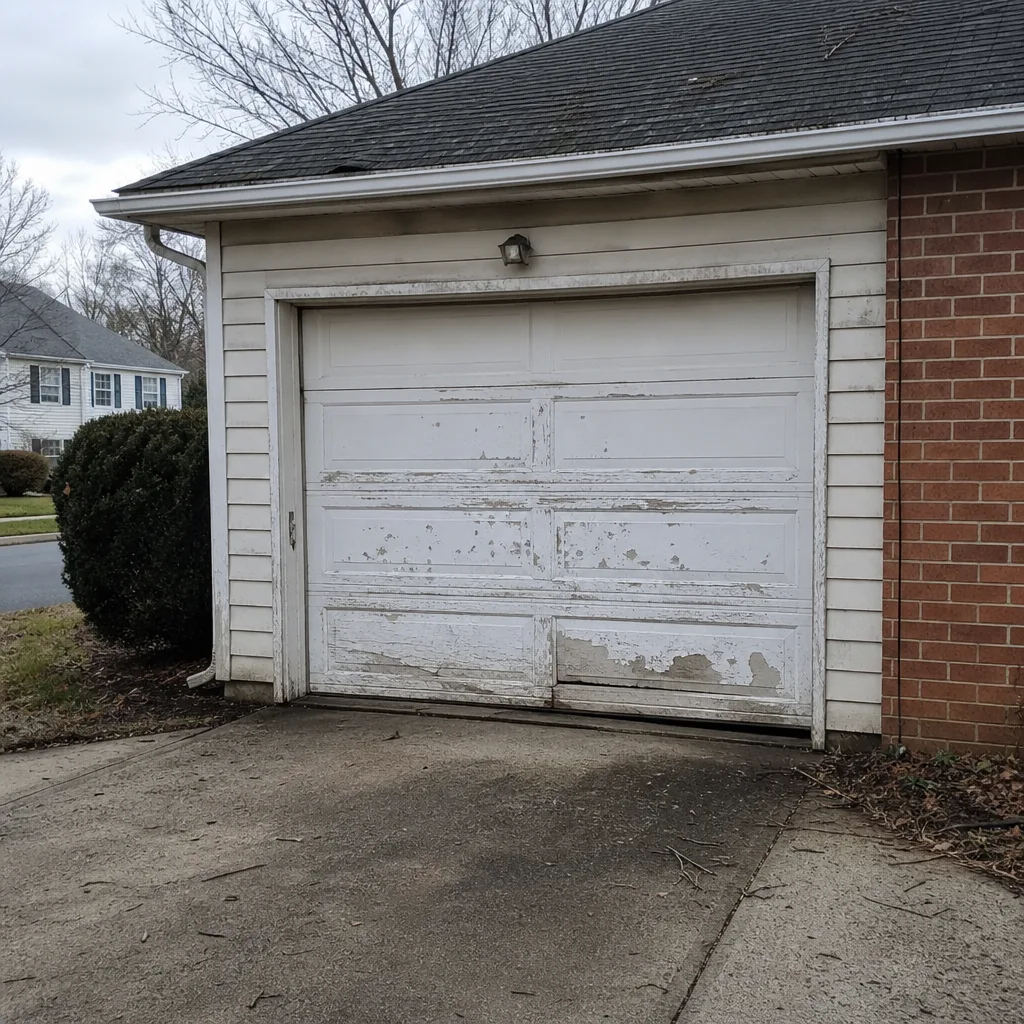 Before
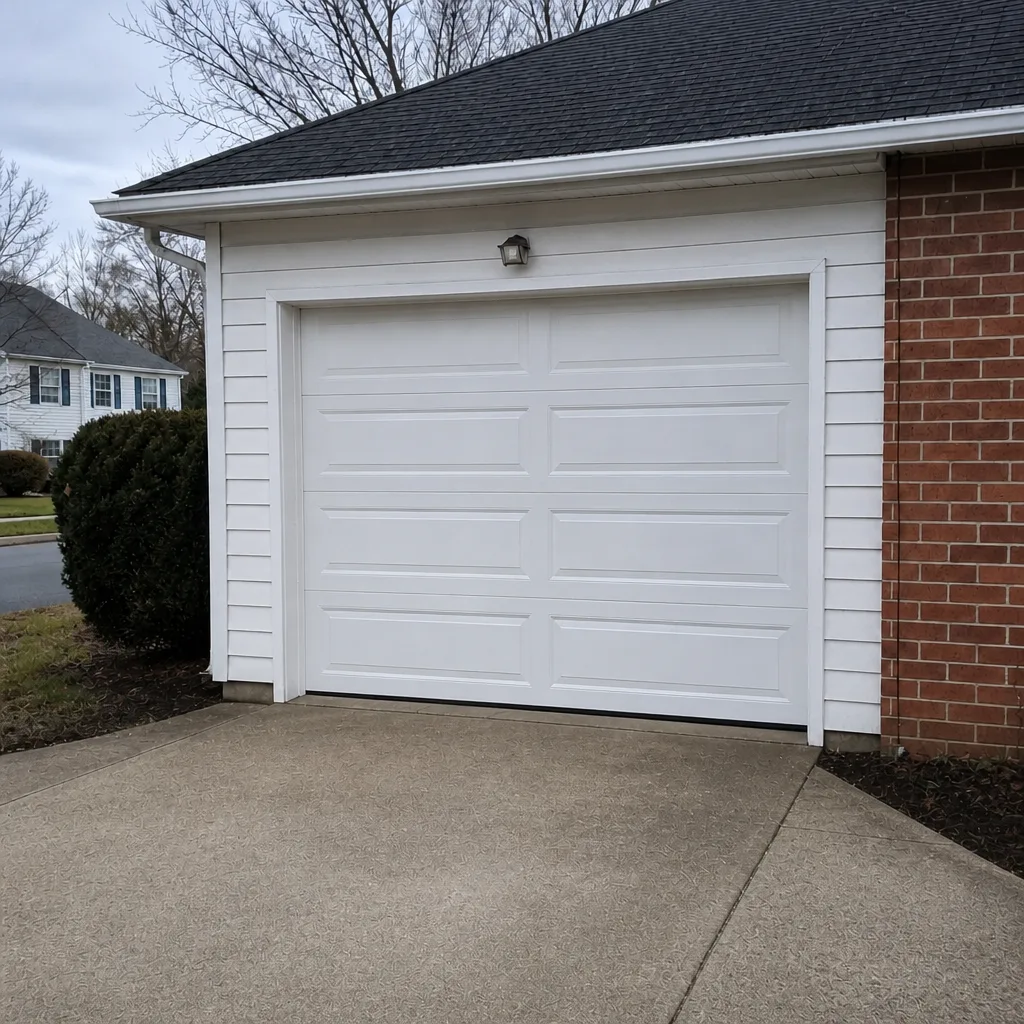 After
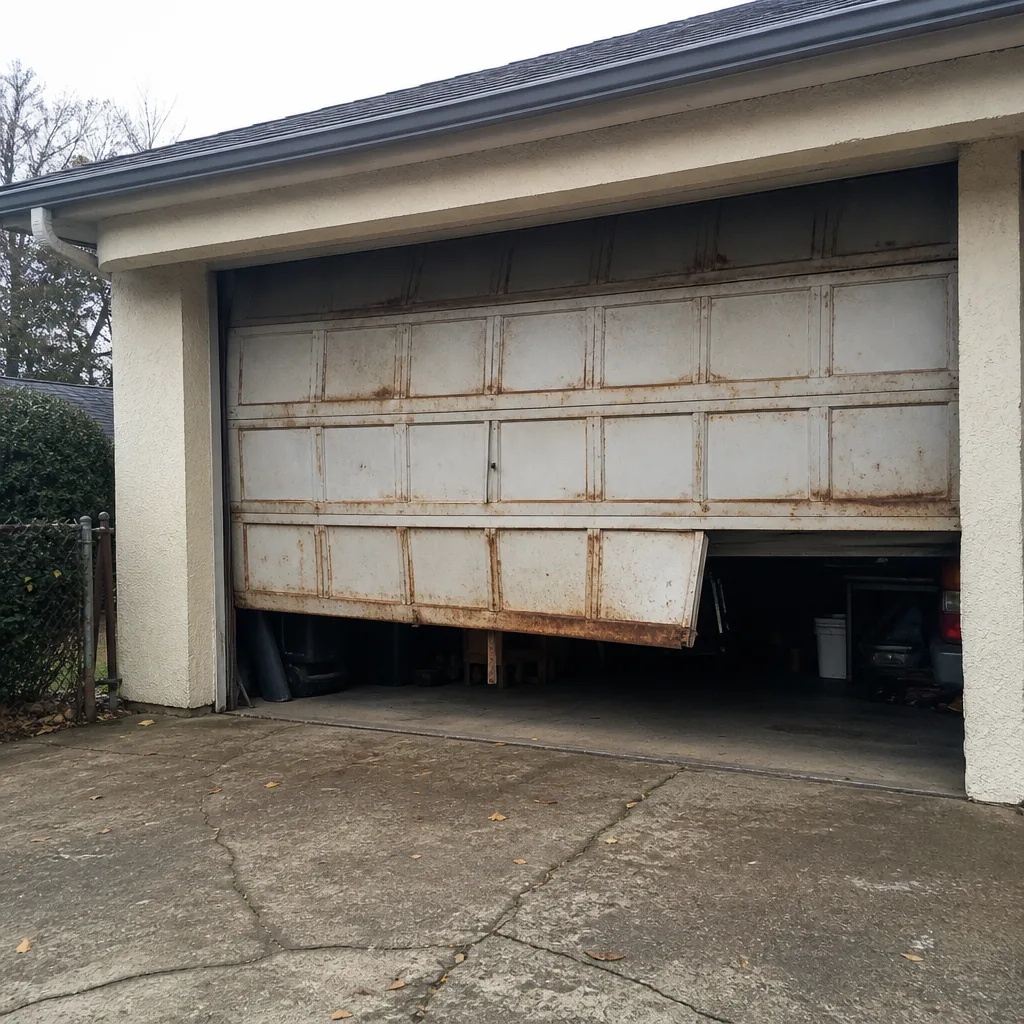 Before
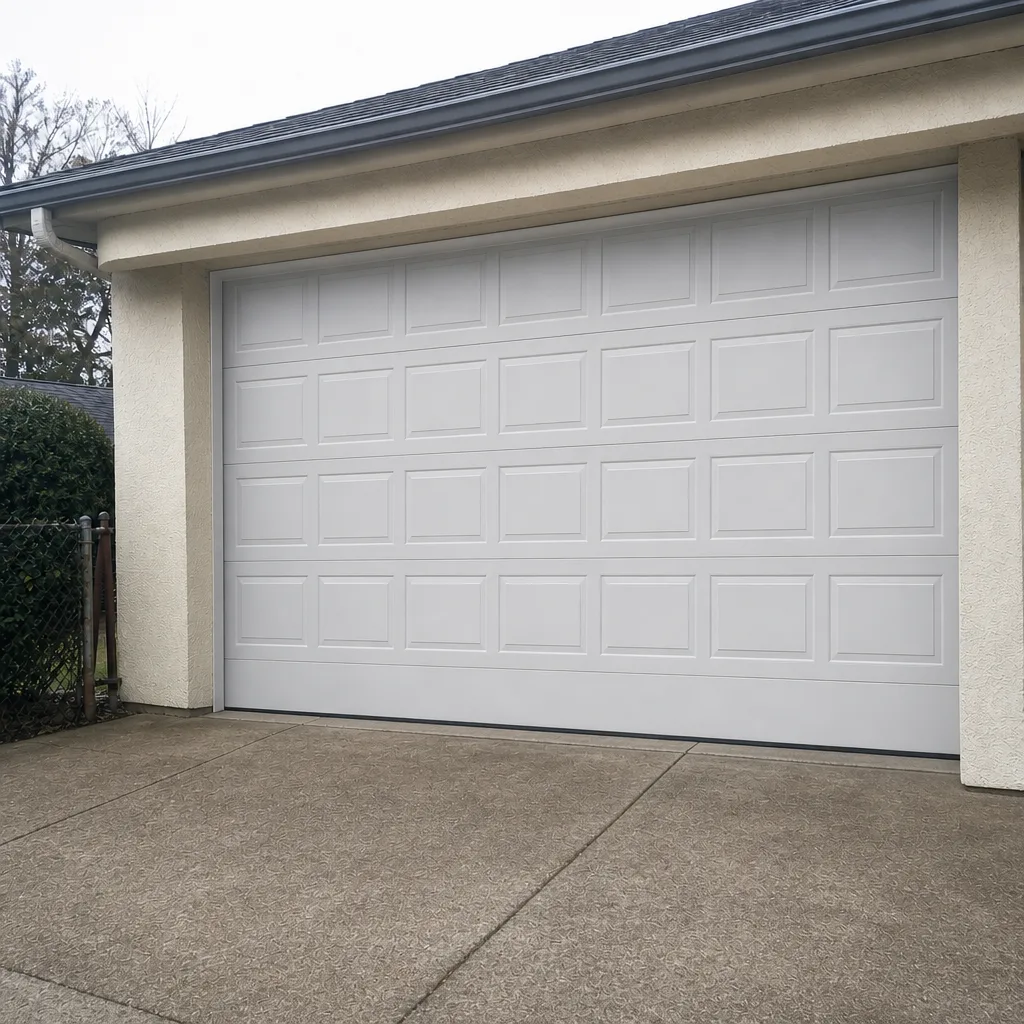 After
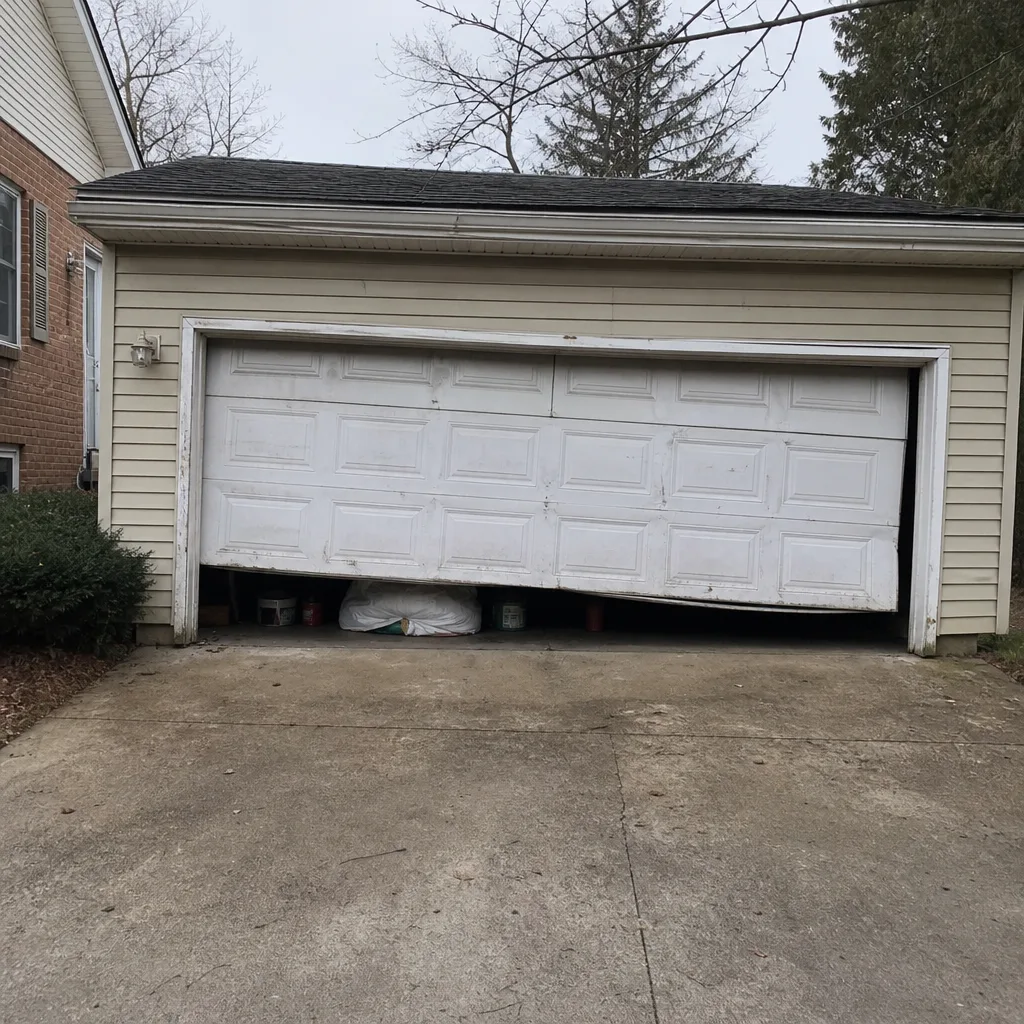 Before
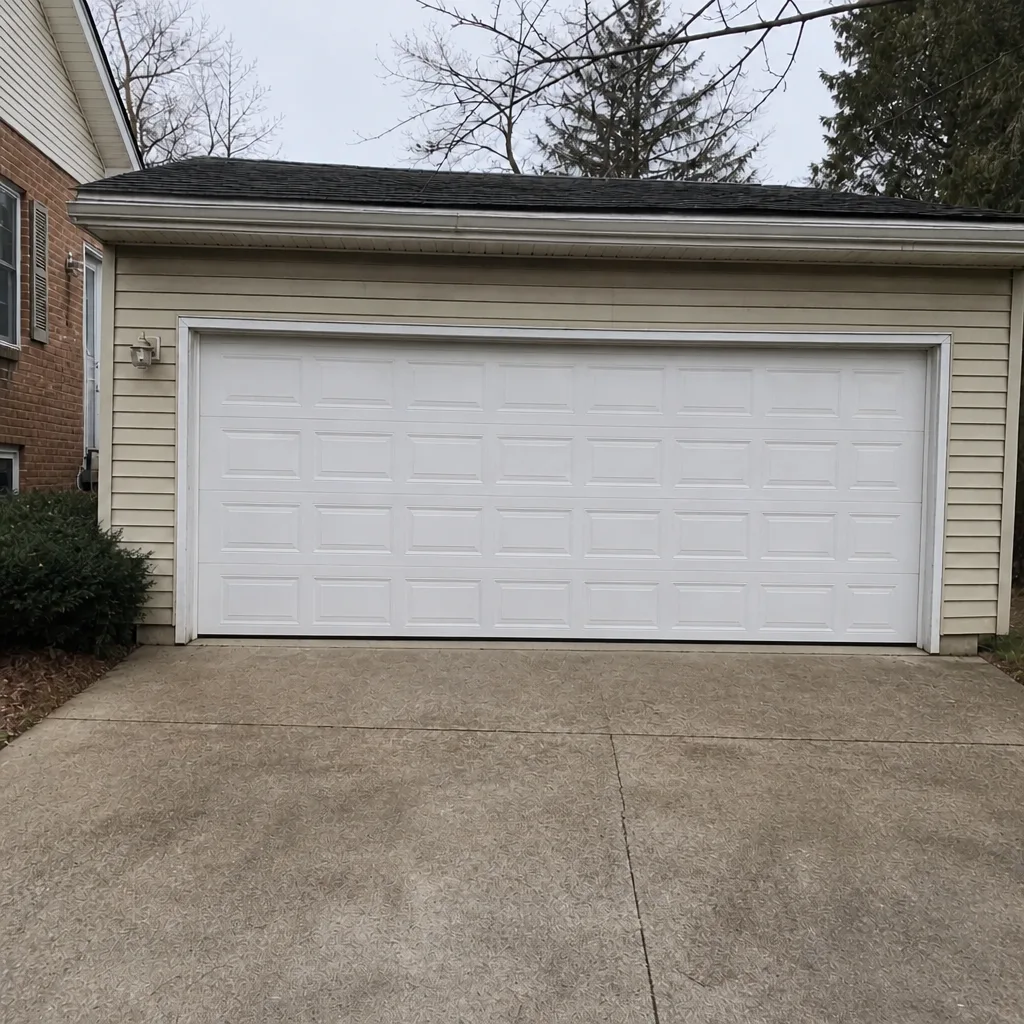 After
When to Call a Professional
Call a professional when the problem involves a spring, the opener’s electrical system, or a door that won’t move at all. Call when the door comes off its tracks, when it bangs or grinds at the same point every time, when the balance test fails, or when a seasonal inspection turns up a gap in a spring, a bent track, or a seal failure you can’t fix yourself. In Tuckahoe, the freeze-thaw cycles and summer humidity mean small issues get bigger faster, so a professional look early is usually cheaper than a repair later. Tuckahoe Garage Door Repair Pros offers free estimates in Tuckahoe, and we handle spring repair, opener repair, full door repair, new door installation, and emergency service from a single provider. Our technicians have up to 13 years of experience. Call (866) 937-7740 for a free estimate.
Frequently Asked Questions
Inspect your garage door four times a year, once per season, in Tuckahoe. A 15-minute visual inspection catches roughly 80% of problems before they become emergency calls. Layer the seasonal emphasis on top: post-winter spring and track checks in spring, humidity and panel checks in summer, weatherseal audits in fall, and lubricant viscosity in winter. Call (866) 937-7740 if anything looks wrong – estimates are free.
Cold makes metal brittle, which accelerates spring failure. A spring rated for 10,000 cycles can snap at 7,000 in a cold Tuckahoe winter because the metal loses ductility as it cools. The cycle count is fixed, but cold shortens the effective life. Springs are also under load and dangerous to handle, so a failing spring is a professional repair. Call (866) 937-7740 for a free estimate.
Use a cold-rated silicone or synthetic lubricant in winter, not standard lithium grease. Lithium grease thickens below 20°F and stops flowing into the hinge pins and rollers, which adds drag instead of reducing it. Apply the cold-rated lubricant to hinge pins, roller stems, and bearing plates, and never to the tracks. If your door still feels heavy, have it checked – (866) 937-7740.
Summer humidity damage on a wood door shows as swelling that doesn’t settle when the weather dries, or soft spots you can press with a finger. Normal wood movement returns each winter. Swelling that stays, or softness, means the seal has failed and water is getting in. Get it looked at before rot spreads. Call (866) 937-7740 for a free estimate in Tuckahoe.
The weatherseal system is the most important thing to check before fall storms in Tuckahoe. Audit the bottom seal, the side seals, and the top seal in that order, looking for cracks, tears, and gaps. Side seals matter most for wind-driven rain, and top seals are the ones homeowners forget. A five-minute audit in early fall prevents a wet garage and a rusting door. Call (866) 937-7740 to schedule a check.
No. Never adjust, remove, or handle garage door springs yourself. Torsion and extension springs store enough energy to cause serious injury, and the fasteners are under load. The safe approach is a visual inspection from a distance: look for gaps or loose springs, then call a professional. Spring repair handled safely and correctly is exactly what we do. Call (866) 937-7740 for a free estimate in Tuckahoe.
The Bottom Line
Seasonal garage door care in Tuckahoe is about matching the action to the threat. Springs and tracks need a post-winter look, wood and composite doors need a summer humidity check, weatherseals need a fall audit before heavy rain, and the whole system needs cold-rated lubricant in winter. The 15-minute quarterly inspection is the backbone of it all, catching most problems before they become emergency calls. The dangerous parts, springs and opener electricals, stay in professional hands. And when something gets past the routine, a professional visit is the cheap option. Our technicians have up to 13 years of experience across LiftMaster, Chamberlain, Genie, Clopay, Amarr, Wayne Dalton, Craftsman, and Raynor systems, and we handle everything from a broken spring to a full new door. Call (866) 937-7740 for a free estimate in Tuckahoe and know what your door needs before the next season arrives.
Written by the team at Tuckahoe Garage Door Repair Pros.