Last updated November 23, 2026
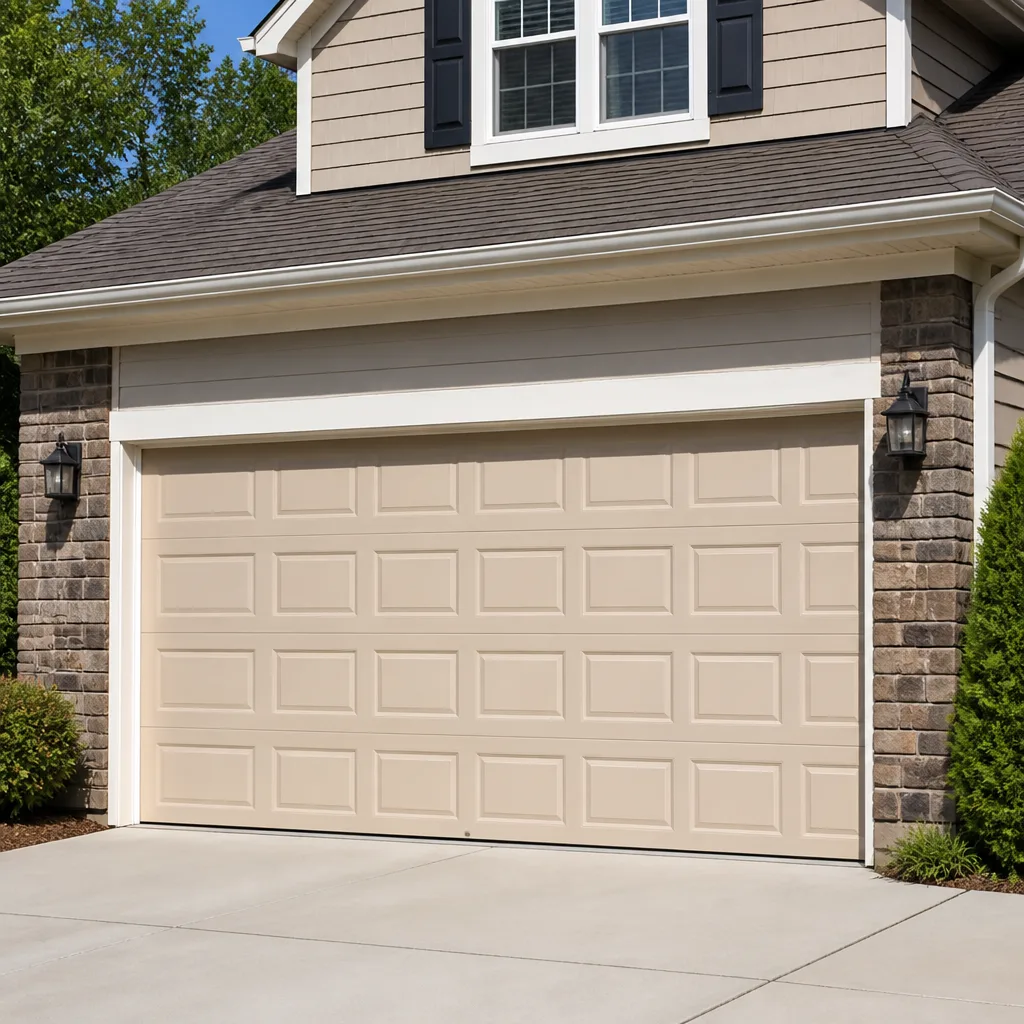 Raised-panel steel
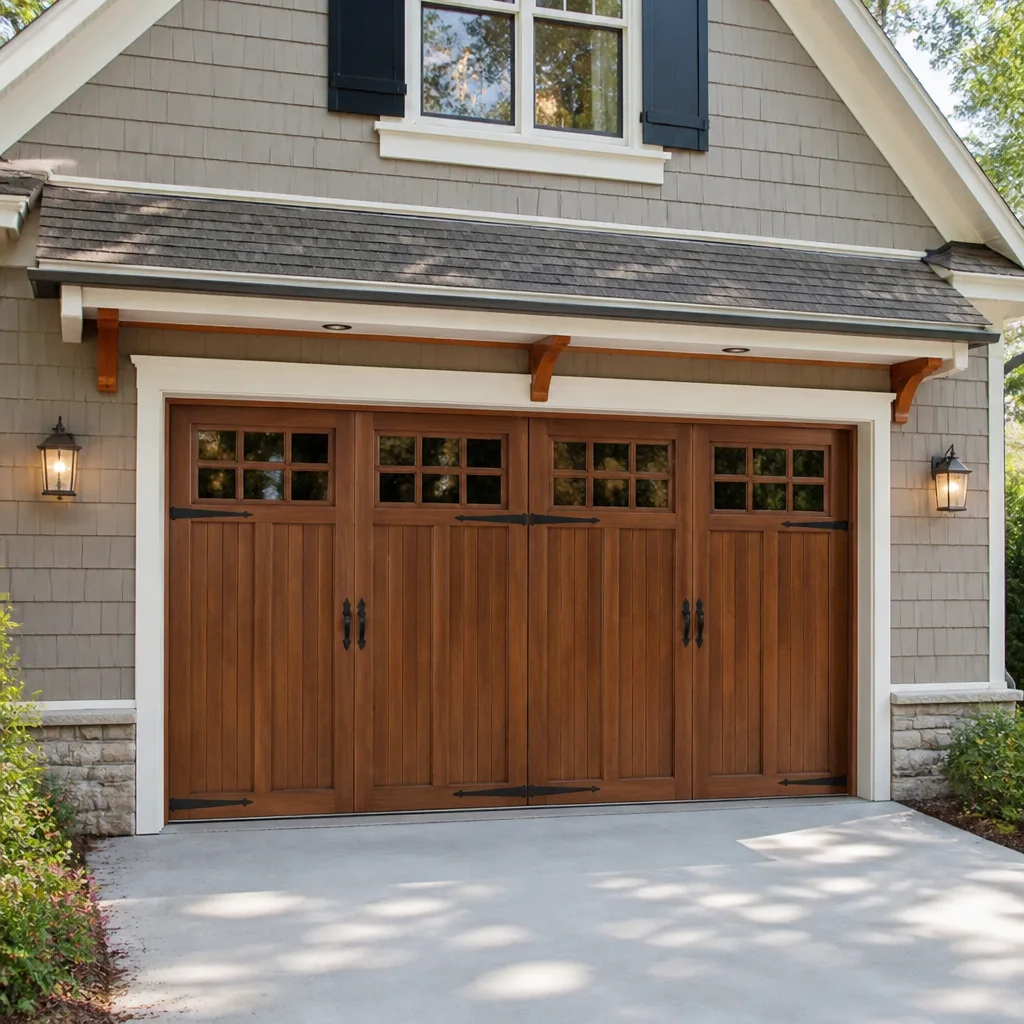 Carriage house
 Modern flush
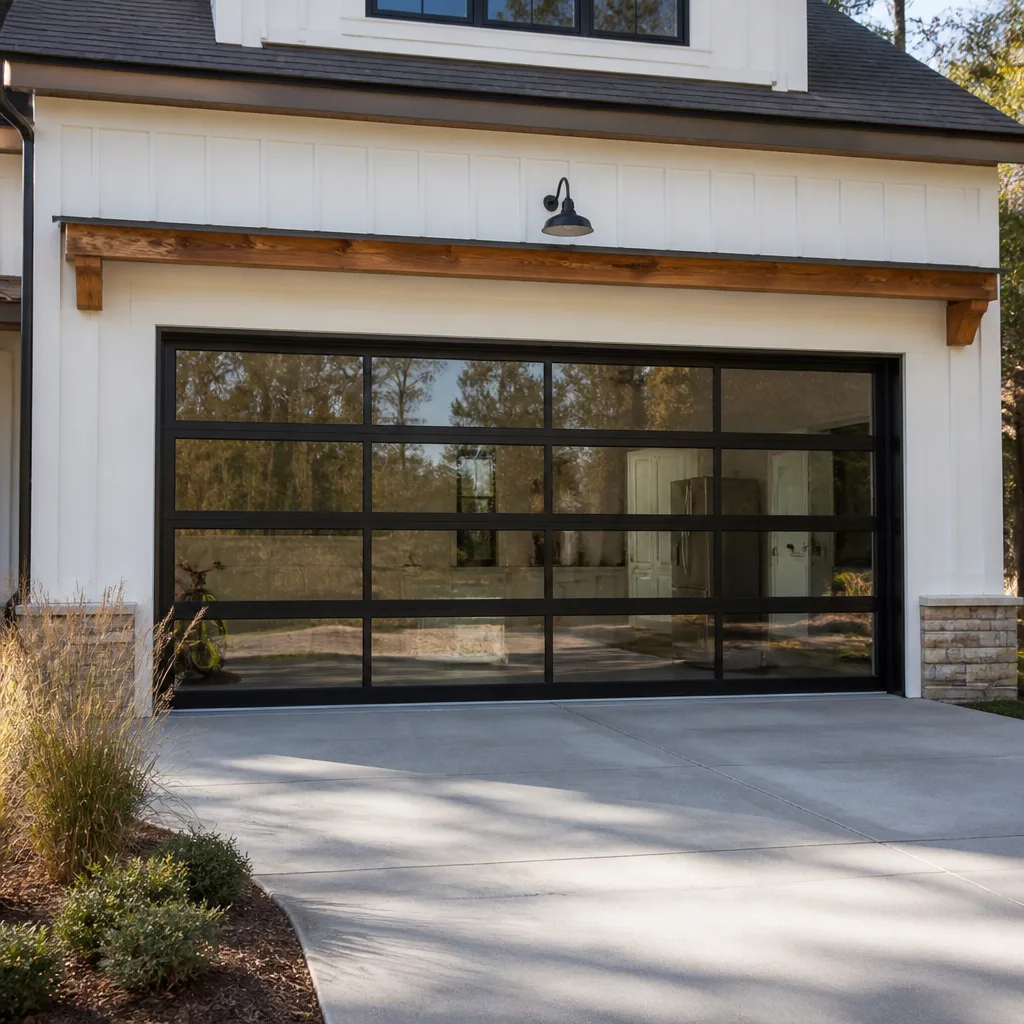 Full-view glass
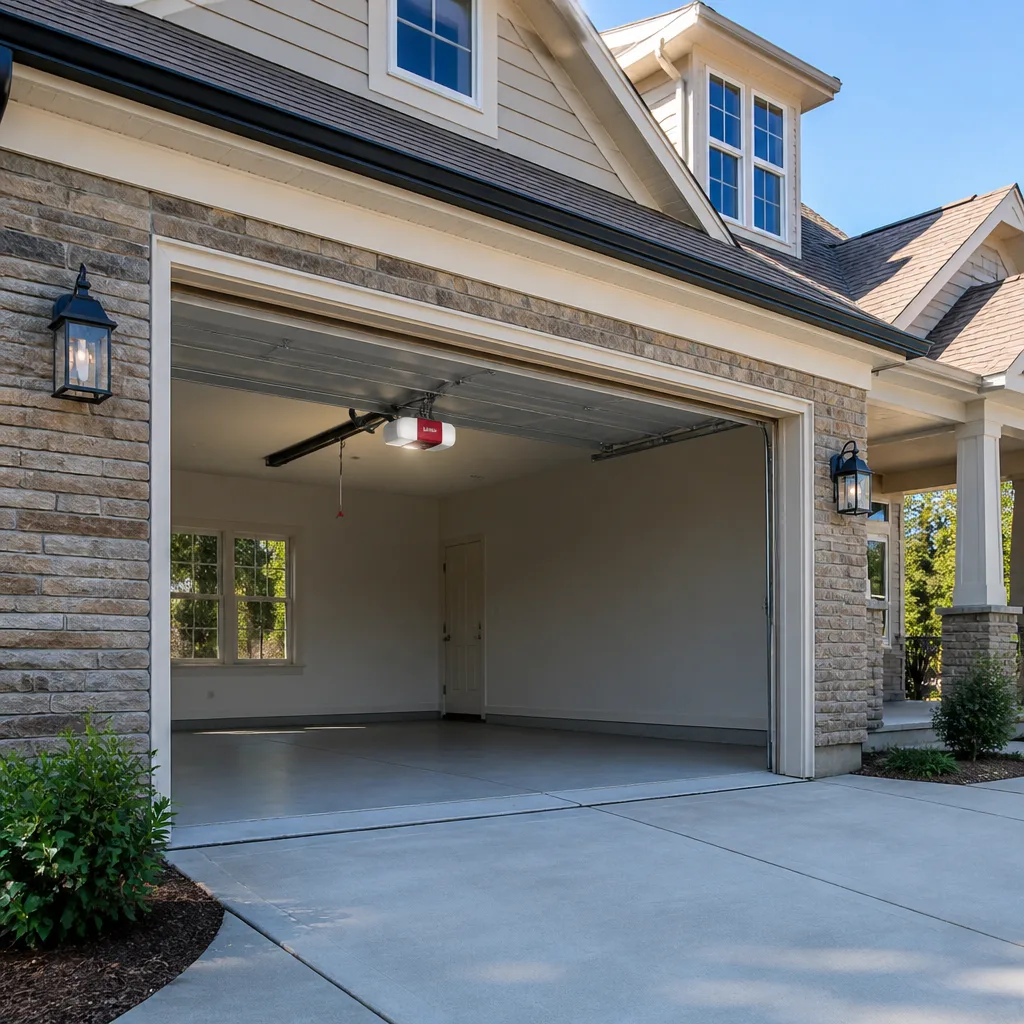 LiftMaster openers
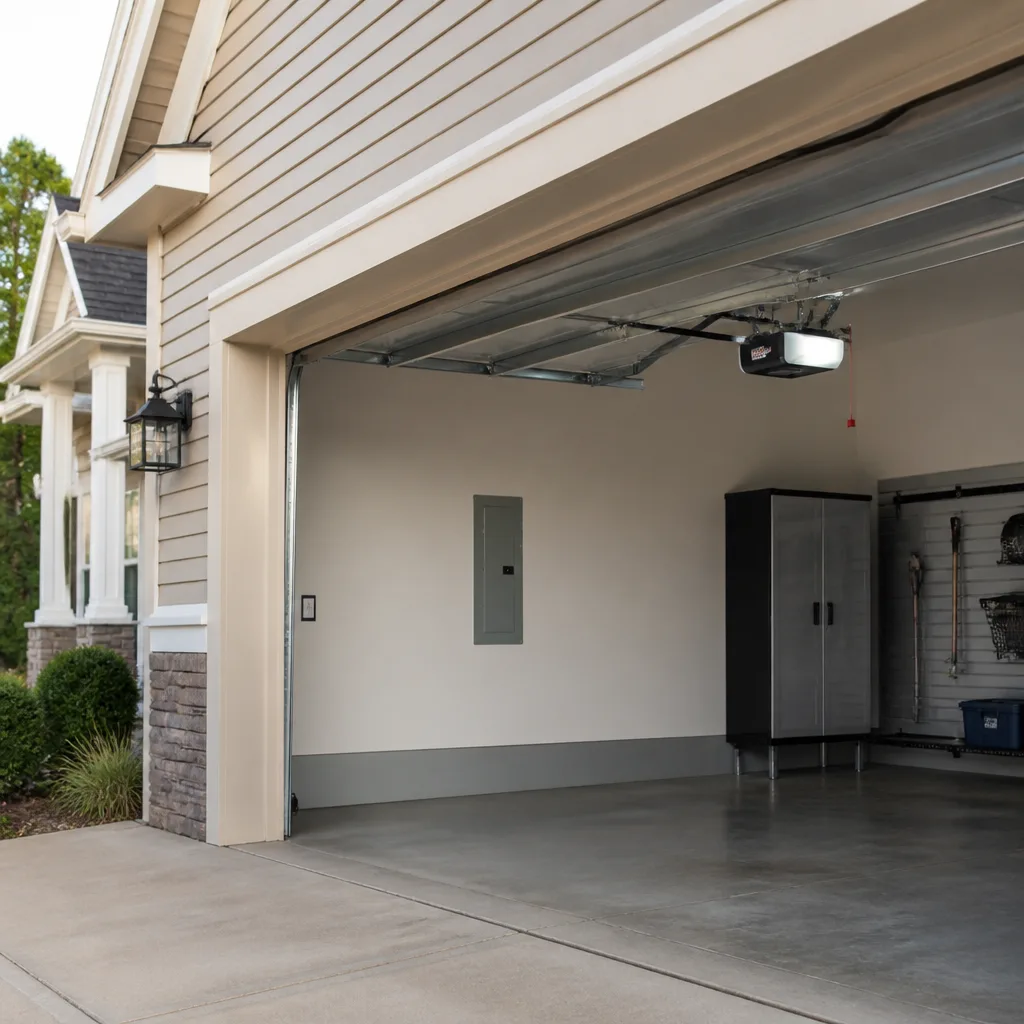 Chamberlain openers
Full 25-point door and opener safety check with every visit - springs, cables, rollers, tracks, and your LiftMaster or Chamberlain opener included
You get a price before we start. It does not change when the pro arrives.
Get your free estimateDIY vs Professional Garage Door: The Tuckahoe Homeowner’s Decision Guide
Most garage door advice online treats DIY as a single yes-or-no question. It isn’t. There’s a wide band of garage door work that a capable homeowner can do safely and well, a narrower band that’s genuinely DIY-able only with the right tools and a willingness to learn, and a hard line past which DIY stops being a money saver and becomes a safety problem no amount of confidence can fix. Tuckahoe homeowners run into this distinction constantly, usually the moment a spring snaps or a door comes off its track. This guide lays out all three tiers in plain terms, how to calculate what DIY really costs once tools and time are counted, and what Virginia policies typically say when self-performed work goes sideways.
Quick Answer
Safe DIY garage door tasks are limited to weatherseal, lubrication, photo-eye alignment, and remote reprogramming. Track adjustment, roller replacement, and minor panel work are doable with the right tools but risky without them. Torsion spring work, cable replacement, and any opener wiring beyond plugging the unit in should always go to a trained professional, because the stored energy and line voltage involved can injure or kill a homeowner regardless of skill level.
Styles & brands we work with
- Raised-panel steel
- Carriage house
- Modern flush
- Full-view glass
- LiftMaster openers
- Chamberlain openers
Table of Contents
- Why the DIY Question Isn’t Binary for Garage Doors
- Tier 1: The Safe DIY Tasks You Can Handle Yourself
- Tier 2: The Tool-Dependent Middle Ground
- Tier 3: What Should Always Be Professional Work
- How Much Does DIY Actually Cost in Tuckahoe?
- What Virginia Homeowner Policies Typically Say About Self-Performed Work
- Why Brand Matters in a DIY-or-Pro Decision
- When to Call a Professional
Why the DIY Question Isn’t Binary for Garage Doors
A garage door is the heaviest moving assembly in a house. A standard single door runs somewhere in the range of 100 to 200 pounds, and a double door goes well beyond that, all of it hanging from overhead tracks and balanced by springs under constant tension. That weight and tension are why “should I DIY this?” has a different answer for a worn bottom seal than it does for a broken torsion spring. The two tasks live in the same system but not the same risk category.
Tuckahoe homes cover a lot of ground, from older properties with sectional wood doors to newer construction with insulated steel and Wayne Dalton or Clopay panels. Each configuration changes which tasks are reasonable to attempt. A lubricated door on a square, level track behaves predictably. A door that’s been out of adjustment for a year can surprise you the moment you loosen the wrong bolt, and older homes in Tuckahoe often have exactly that kind of deferred maintenance.
The Consumer Product Safety Commission logs hundreds of garage door spring injuries each year, and a large share involve homeowners who had successfully handled other repairs before. That’s the pattern worth understanding: past success on unrelated projects doesn’t predict safety on a torsion system. The knowledge that carries over is knowing when to stop, not a set of handy skills.
We sort garage door work into three tiers. Tier 1 is safe for a careful homeowner. Tier 2 is possible with tools and patience. Tier 3 is professional-only because the physics don’t care how confident you are. Reading your task into the right tier is the whole decision.
Tier 1: The Safe DIY Tasks You Can Handle Yourself
These tasks involve no stored spring tension and no line voltage, and they’re the ones worth doing yourself if you’re handy and want to save a service charge.
- Weatherseal replacement. The rubber or vinyl strip along the bottom of the door wears out from UV and repeated contact with a concrete slab. A new seal slides or screws into the bottom retainer and costs little. It keeps rain, drafts, and pests out.
- Lubrication. A light application of a garage-door-rated lubricant on hinges, rollers, and the torsion bar keeps the door quiet and reduces strain on the opener. It’s a five-minute task with a can of lubricant and a rag.
- Photo-eye alignment. The small sensors near the floor on each side of the door need to face each other on a clear line of sight. If the door reverses for no reason, a bumped or dirty sensor is the usual suspect. Straightening or cleaning it fixes the problem.
- Remote reprogramming. A remote that stops working usually needs to be re-paired to the opener or a fresh battery. The manual for your LiftMaster or Craftsman unit walks through it in a few steps.
- Basic visual inspection. Look for frayed cables, worn rollers, loose hinges, and any rust on the springs. Noticing a problem early is the single most useful DIY habit you can build.
Each of these is genuinely low-risk and worth attempting. If it doesn’t fix the issue, calling a professional at that point still costs the same as it would have a day earlier, so there’s no penalty for trying. If you’d rather have it looked at, garage door repair covers the routine fixes that fit this tier.
Tier 2: The Tool-Dependent Middle Ground
This tier is where a lot of homeowners get into trouble because the task looks simpler than it is. These jobs are DIY-possible, but only with the right tools, and the wrong tool in the wrong place can warp a door or send a roller flying.
- Track adjustment. A door that binds or rubs is often a track that’s out of plumb or dented. Straightening it correctly requires a level, a rubber mallet, and an understanding that a track holds the entire door’s travel. Without those, a bent track can drop the door off its rails.
- Roller replacement. Worn rollers make a door noisy and stiff. Replacing them is a matter of lifting the door safely, supporting it, and swapping the roller in its hinge. Doing it without proper support is how fingers and doors get hurt.
- Minor panel work. A dented or cracked panel on a Clopay or Amarr door can sometimes be replaced in place. The trick is matching the panel profile to the existing door, which varies by brand and model. A wrong-size panel won’t sit flush.
The common thread is that each task needs the door to be held in position while you work on it, and a garage door is a heavy object that wants to move. Without the right clamps, supports, and tools, the job is slower and riskier than it looks. If you’re unsure whether you have the equipment, you probably don’t, and that’s worth a call.
Tier 3: What Should Always Be Professional Work
There’s a hard line past which DIY creates documented injury risk regardless of skill level. These three tasks belong on the professional side.
- Torsion spring adjustment and replacement. A torsion spring stores energy equivalent to a gunshot wound. When it releases unexpectedly, the result can be serious injury. There’s no partial DIY version of this job: the spring has to be adjusted under controlled tension with the right winding bars and the door secured, and any mistake is a physical one.
- Cable replacement. The cables hold the door to the spring system. A frayed cable can snap under load and whip across the garage. Replacing it requires the spring tension to be released first, which puts it in the same danger zone as the spring itself.
- Opener wiring beyond plugging in. If the opener’s main board or motor needs work, the electrical side is not a DIY job. Any wiring beyond plugging the unit’s cord into a wall outlet carries the risk of shock or fire, and the panel itself is a different job than the low-voltage sensor wire.
Spring repair is the most commonly mishandled task in the whole trade. We treat it as its own specialty for that reason. Our technicians have up to 13 years of experience, and we’d rather talk you out of a spring DIY attempt than sell you a repair afterward. If you’re not sure which tier your job is in, garage door spring repair covers the dangerous end of the system.
How Much Does DIY Actually Cost in Tuckahoe?
The sticker price of a part is not the cost of a DIY repair. Once you add tools, time, and the cost of calling a professional if the job goes wrong, DIY sometimes costs more than hiring it out. Here’s the honest math.
| Cost factor | What to count |
|---|---|
| Part or replacement component | The roller, seal, sensor, or panel itself |
| Tool purchase or rental | Winding bars for spring work, a level, clamps, a torque wrench. A tool you’ll use once is part of the job cost. |
| Your time | An afternoon on a roller swap, more if travel to a parts store is counted |
| Risk of a second call | If a DIY repair doesn’t hold, you pay for the professional visit anyway, plus whatever the failed attempt left behind |
| Safety cost | A hospital trip from a torsion spring is more expensive than any professional repair, and it can’t be undone |
For Tier 1 tasks, the math almost always favors DIY. A weatherseal is cheap, and the job is quick. For Tier 2, the math depends on whether you already own the tools. If you’re buying a torque wrench and clamps for a single roller swap, the parts and tools together can approach what a professional visit would cost. For Tier 3, there’s no meaningful DIY cost to calculate, because the risk side of the ledger has no ceiling.
The other hidden cost is time spent learning a system that a technician works on every day. When the door needs garage door opener repair, the technician has the diagnostic tools and the brand experience to solve it in one visit. A homeowner with a manual and a YouTube video may solve it in three evenings, or not at all.
Call (866) 937-7740 for a free estimate and you’ll have a real number to compare against the DIY math. That’s the fairest way to decide.
What Virginia Homeowner Policies Typically Say About Self-Performed Work
There’s no universal answer on garage door coverage across Virginia carriers, but there are patterns worth understanding before you take on a Tier 2 or Tier 3 project.
- Damage from faulty workmanship is often excluded. If a DIY repair leaves the door misaligned and a later storm drives it off its track, the resulting damage may fall under a workmanship exclusion, which means the policy doesn’t cover the fix.
- Sudden failure of a covered component is usually treated differently from gradual wear. A spring that fails at an ordinary time is often wear, not a sudden event. A door that comes off its track during a storm is typically a different claim.
- Personal injury from self-performed work is handled under medical or health coverage, not the property section. That’s worth knowing, because the most likely injury from spring work doesn’t touch the garage door line on the policy at all.
- Documentation matters. If a professional has done the repair, you have a record of who did the work and when. That record can help when an insurer asks how the damage occurred.
We’re not an insurance advisor and won’t presume to be. Read your own policy wording or call your agent with the specific task in mind. What we can say is that a professional repair leaves a paper trail a DIY attempt doesn’t, and that trail is useful if a claim ever comes up.
Why Brand Matters in a DIY-or-Pro Decision
Once you’re past the safe tier, the brand of your door and opener changes the calculation. Different systems have different springs, different track profiles, and different opener logic, and a generic fix on a brand-specific system causes repeat failures.
A Raynor door and a LiftMaster opener use parts and procedures that don’t transfer to a Craftsman or Wayne Dalton system. The correct springs, the correct brackets, and the correct opener settings are brand-specific. A homeowner who’s comfortable with one brand may still be lost on another, and a general handyman often is too. We work on eight of the most widely installed brands in the market, which means the system you already own is one we can diagnose and fix without a generic workaround.
For DIY purposes, this matters in a simpler way: matching the part to the door is the whole job. A roller that’s slightly the wrong size will bind. A panel that’s close but not right will leak. For a professional, that brand knowledge is what makes the first visit succeed. For a homeowner, it’s the reason a Tier 2 job sometimes goes wrong even when the steps were followed correctly.
If you want the rest of the service picture, the team at Tuckahoe Garage Door Repair Pros handles springs, openers, full doors, and emergency calls as one connected service.
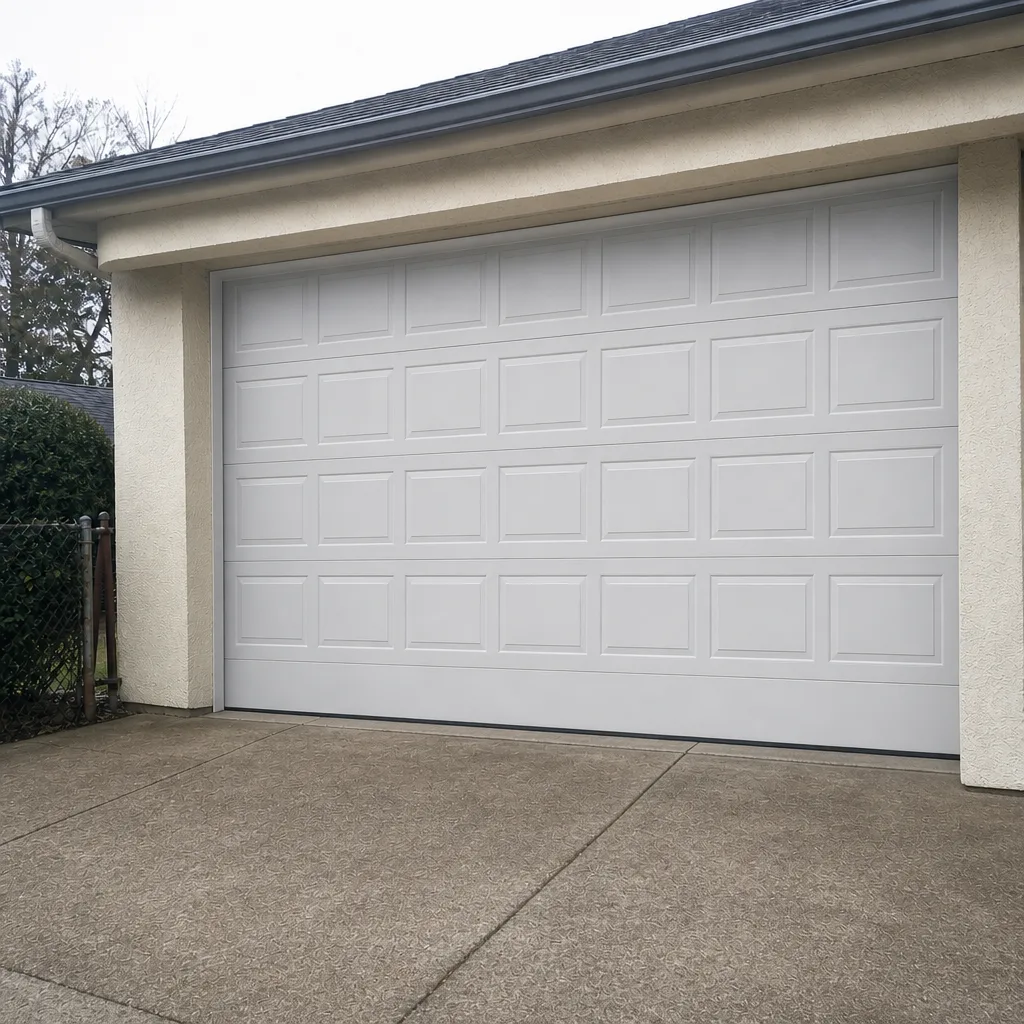
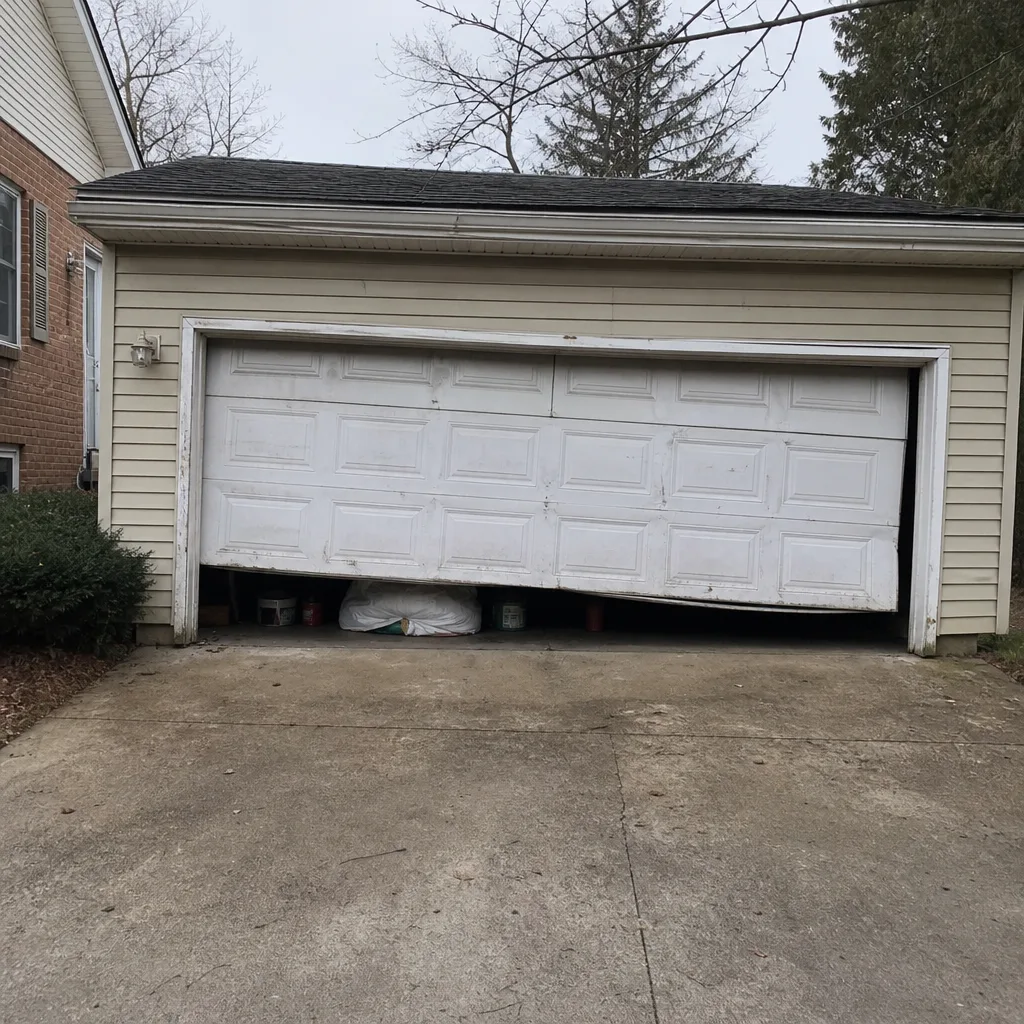
See the difference
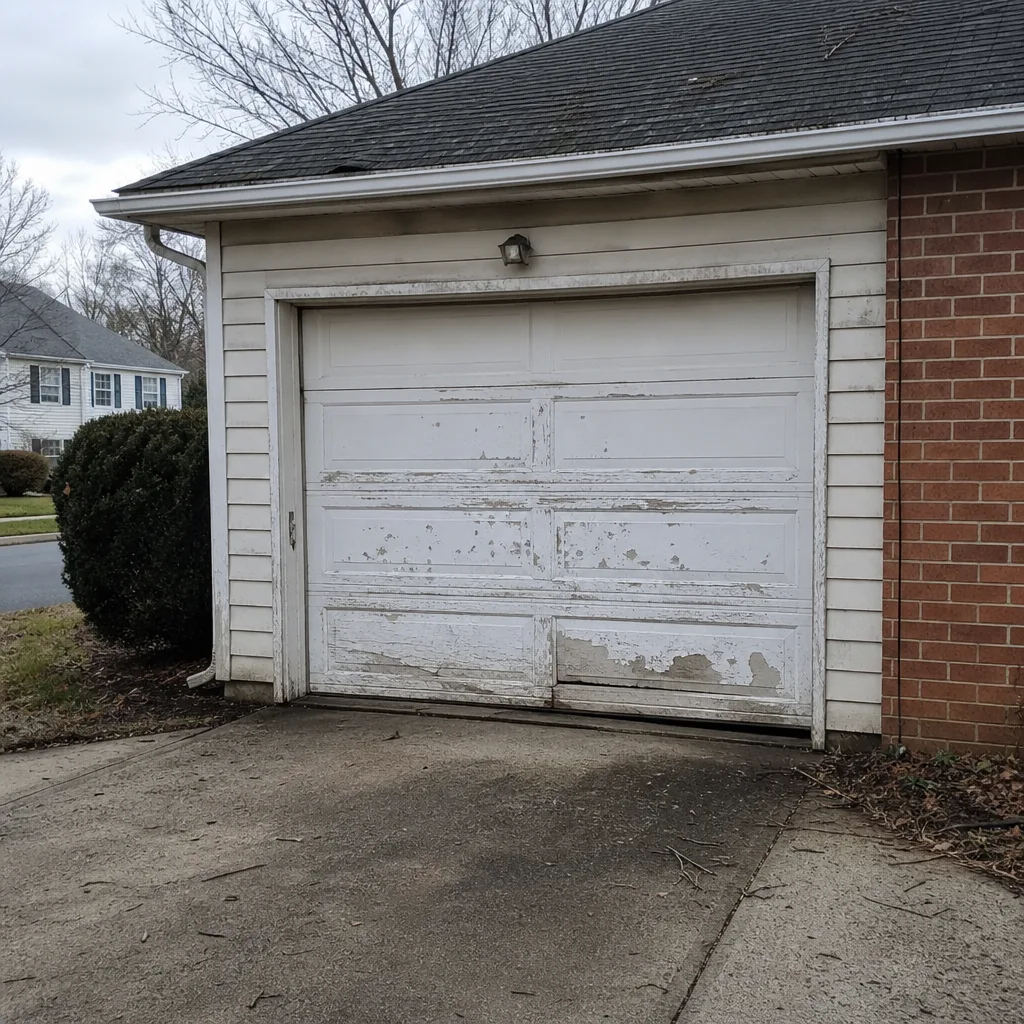 Before
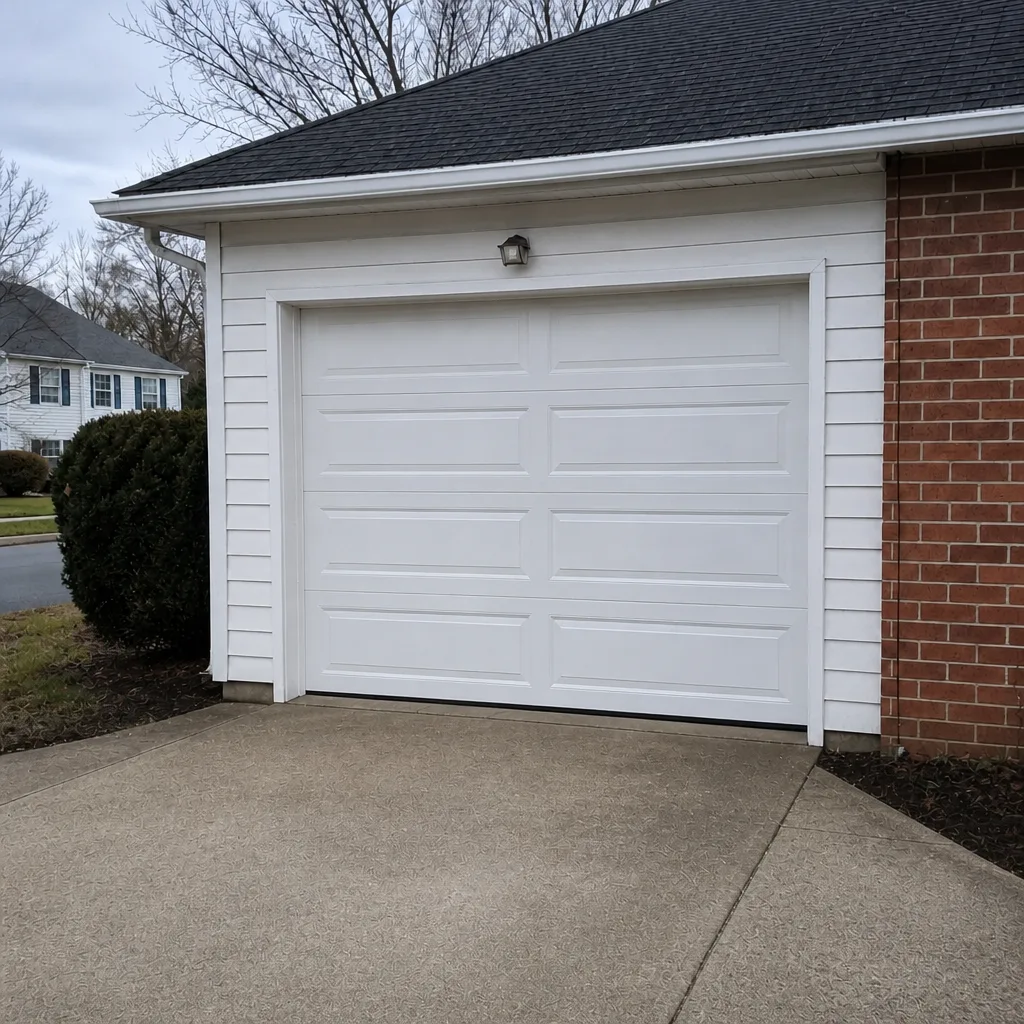 After
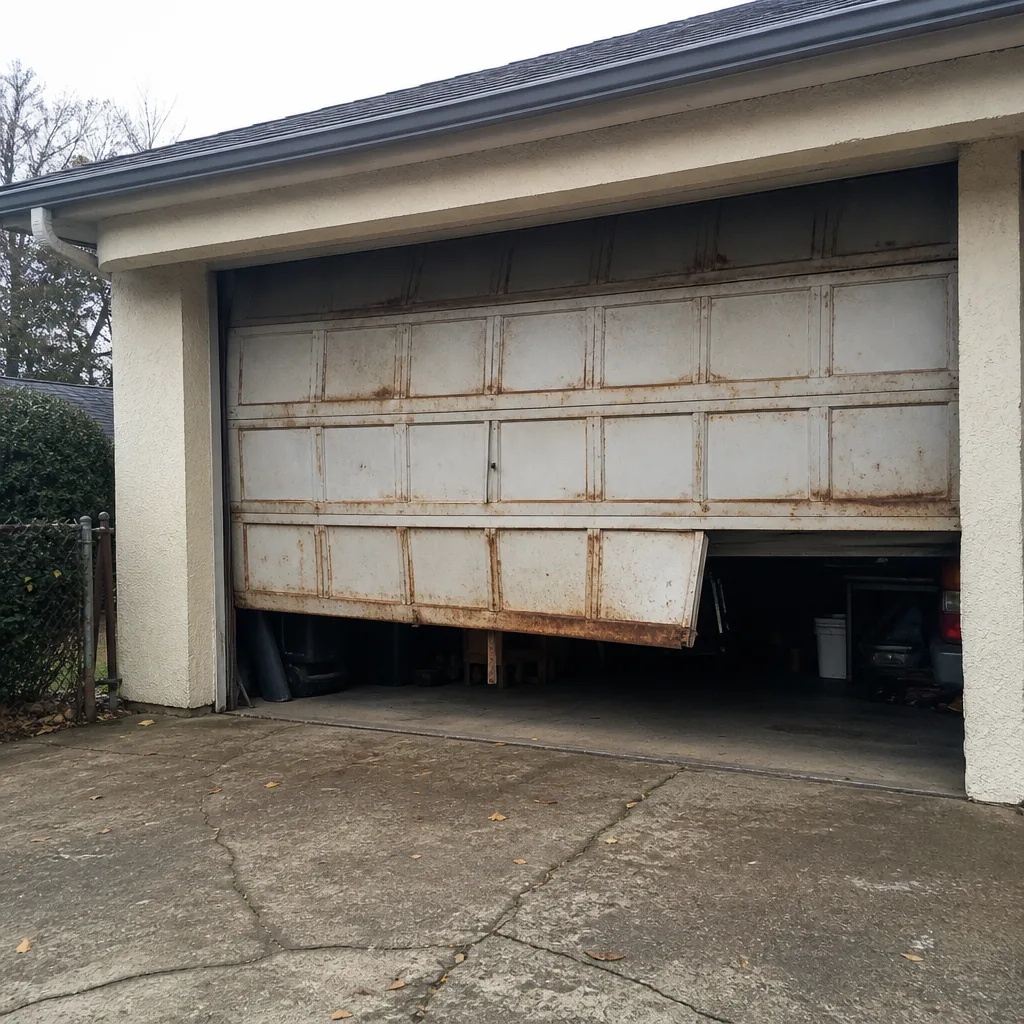 Before
 After
 Before
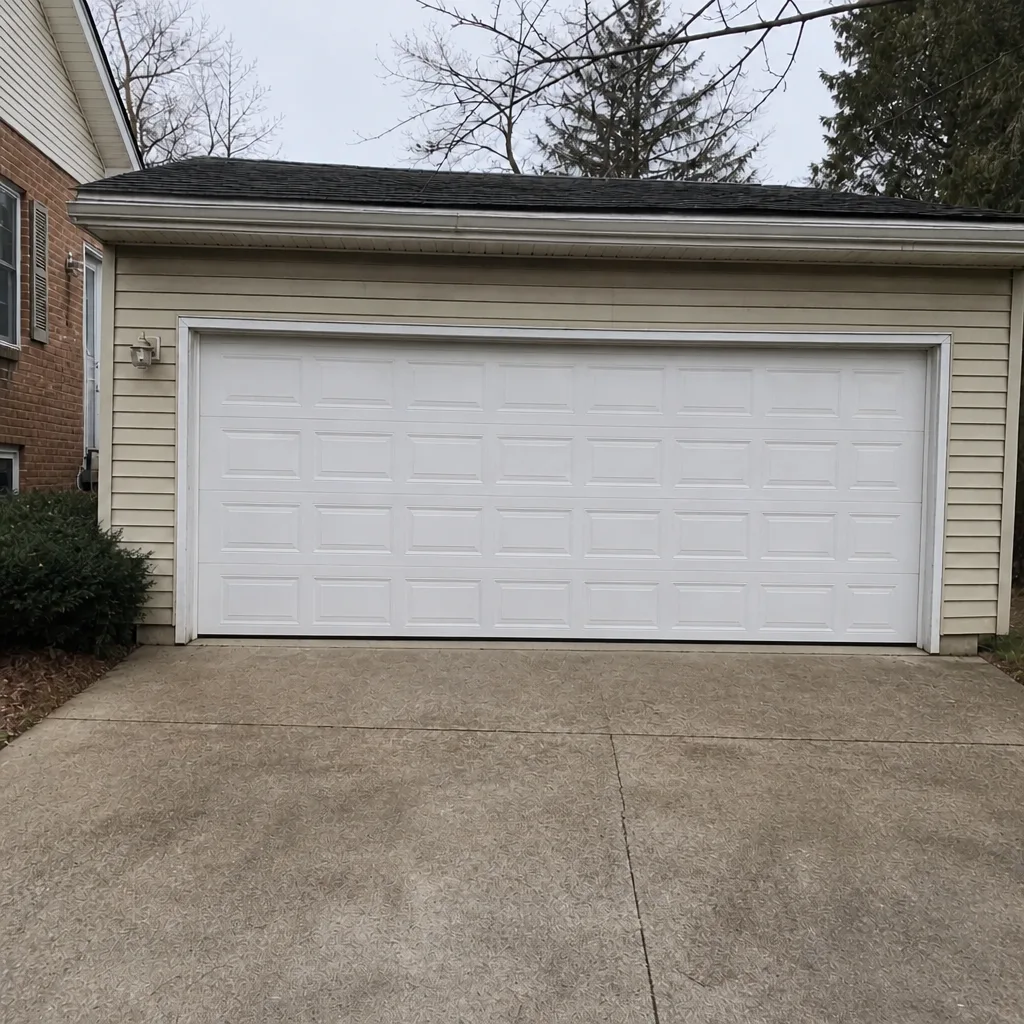 After
Common Mistakes to Avoid
- Winding a torsion spring without the right bars. A screwdriver or a pair of pliers is not a winding bar. It can slip and release the stored energy at your face or hands. If you don’t own winding bars, you don’t own the tools for this job.
- Replacing a spring without releasing tension first. Some homeowners try to swap a spring while the door is under load. That’s a shortcut to serious injury. Tension has to be released in a controlled way, and that takes a trained hand.
- Assuming a warranty covers DIY damage. Many door and opener warranties cover defects, not damage from incorrect installation or repair. A failed DIY fix may void the manufacturer’s coverage on that component.
- Trying to fix a bent track with a hammer alone. A track is structural. Hammering it back without checking plumb and level can break the door’s alignment and cause new problems. It also bends the rail further out of true than it started.
- Skipping the lubrication schedule. A dry door strains the opener and wears the rollers unevenly. The cheapest fix in this guide is also the one most homeowners skip, and it shows up as a noisy door on a Tuckahoe property every fall.
- Calling a general handyman for a torsion spring. A handyman who’s fine for a door seal or a closet shelf is not trained for spring tension. Ask whether the person doing the work specializes in garage doors. If the answer is no, ask for a specialist.
- Ignoring a small dent or misalignment. A slightly bent track or a chipped panel is easy to live with until the door comes off its rails. Small problems compound. Deal with them while they’re cheap.
When to Call a Professional
Call a professional when the task is a torsion spring, a cable, or anything on the opener beyond plugging it in. Those are the three hard lines. Also call if the door is off its track, if it reverses for no apparent reason after you’ve checked the photo-eyes, if the door is heavier on one side than the other, or if a repair you attempted hasn’t held. Emergency garage door service matters when the door won’t open or close and you need to secure the house or get a car out. Our technicians have up to 13 years of experience, and we work on the brand you already have. Tuckahoe Garage Door Repair Pros offers free estimates in Tuckahoe. Call (866) 937-7740, and we’ll tell you which tier your job is in before any work starts. Prices are quoted and agreed before we begin, so there are no surprises on the invoice.
Frequently Asked Questions
No. Torsion spring replacement is the single most dangerous garage door task, and the stored energy can cause serious injury in a fraction of a second. There’s no partial DIY version of the job. Spring repair should always be done by a trained professional, and that’s the one line we won’t cross regardless of how handy you are.
It depends on the tier. Tier 1 DIY tasks like a weatherseal or lubrication cost little in parts and an afternoon of time. Tier 2 tasks add tool purchase or rental that can approach the cost of a professional visit. Tier 3 work has no safe DIY cost, because the injury risk has no ceiling. Call (866) 937-7740 for a free estimate and a real number to compare against the DIY math.
Often not, especially when the damage results from faulty workmanship. Policies commonly exclude self-performed work that later causes a covered loss, and treating a spring failure as an ordinary wear item is normal. Read your own policy wording or ask your agent about the specific task before you start, because the answer varies by carrier.
The local professionals we connect you with are licensed and insured as their state requires. We can work with your insurer if a claim is involved. Estimates are free, and prices are quoted and agreed before any work starts so you know the number in advance. Call (866) 937-7740.
No. The written estimate is the price. If the job turns out to be more involved than the estimate, we’ll discuss the change with you before doing any of it, and you can decide then. The invoice matches what you agreed to. Call (866) 937-7740 for an exact quote.
Yes for repair and emergency calls. We’re open Sunday through Friday, 7am to 7pm, and closed Saturday and on Saturdays we’re unavailable as well as closed, so a door that fails on Saturday gets booked for Sunday. Installation and full door replacement are measured, ordered, and scheduled, so those are quoted in advance rather than promised same-day. Call (866) 937-7740 and we’ll book you in.
The Bottom Line
The DIY question on a garage door has three answers, not one. Weatherseal, lubrication, photo-eye alignment, and remote reprogramming are safe for a homeowner. Track adjustment, roller replacement, and minor panel work are possible with the right tools and a clear understanding of the risk. Torsion springs, cables, and any opener wiring beyond plugging in belong to a professional, because the stored energy and line voltage involved cause injuries that no repair is worth. If you’re in doubt, the honest calculation is a free estimate against the DIY math. Our technicians have up to 13 years of experience, we work on the brand you already have, and prices are quoted before work starts. Call (866) 937-7740 for a free estimate.
Written by the team at Tuckahoe Garage Door Repair Pros.