Last updated November 23, 2026
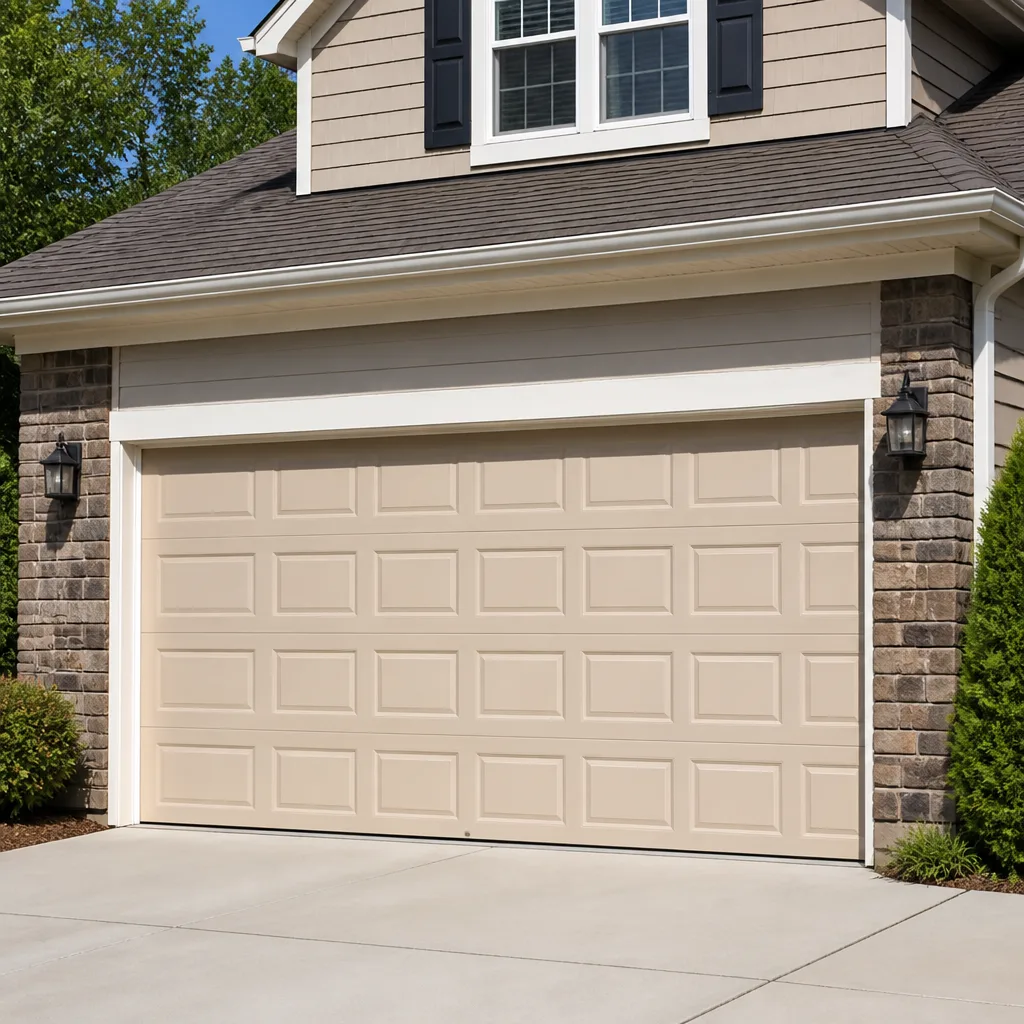 Raised-panel steel
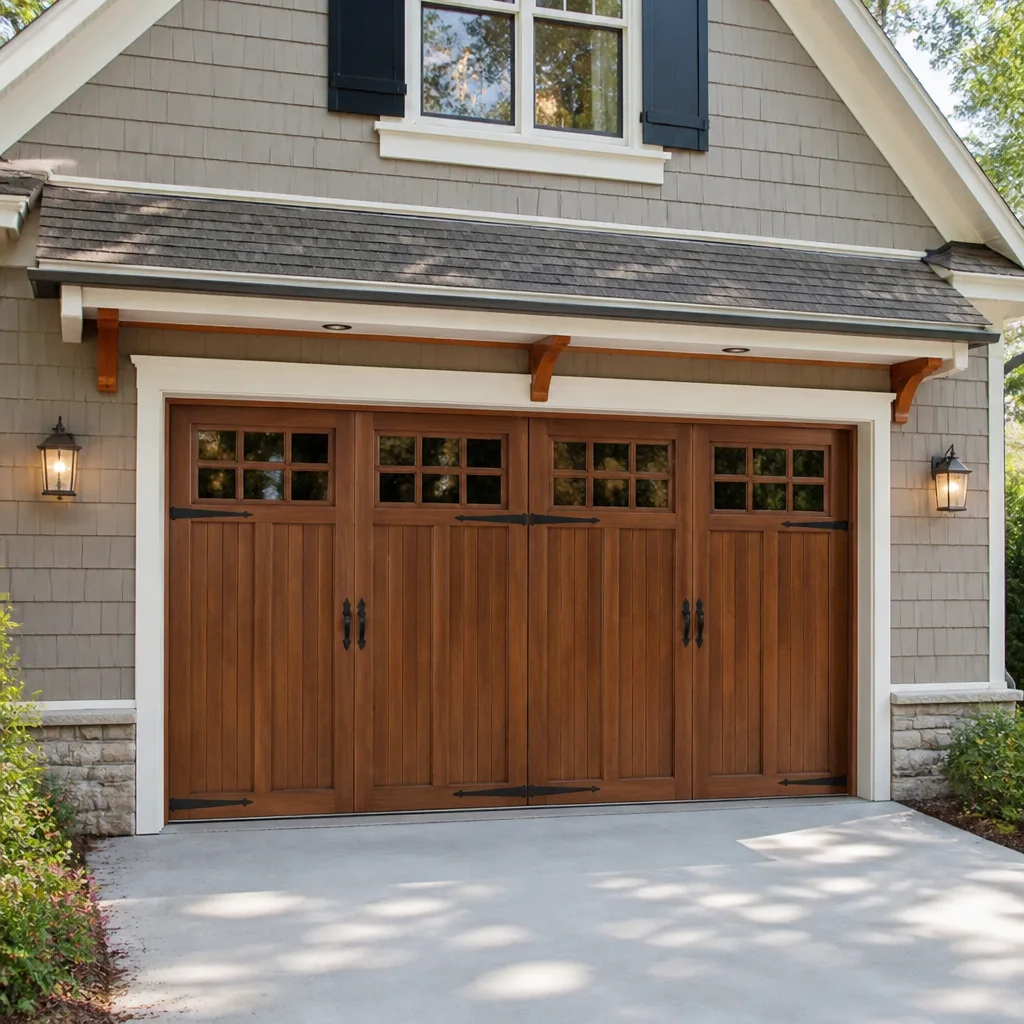 Carriage house
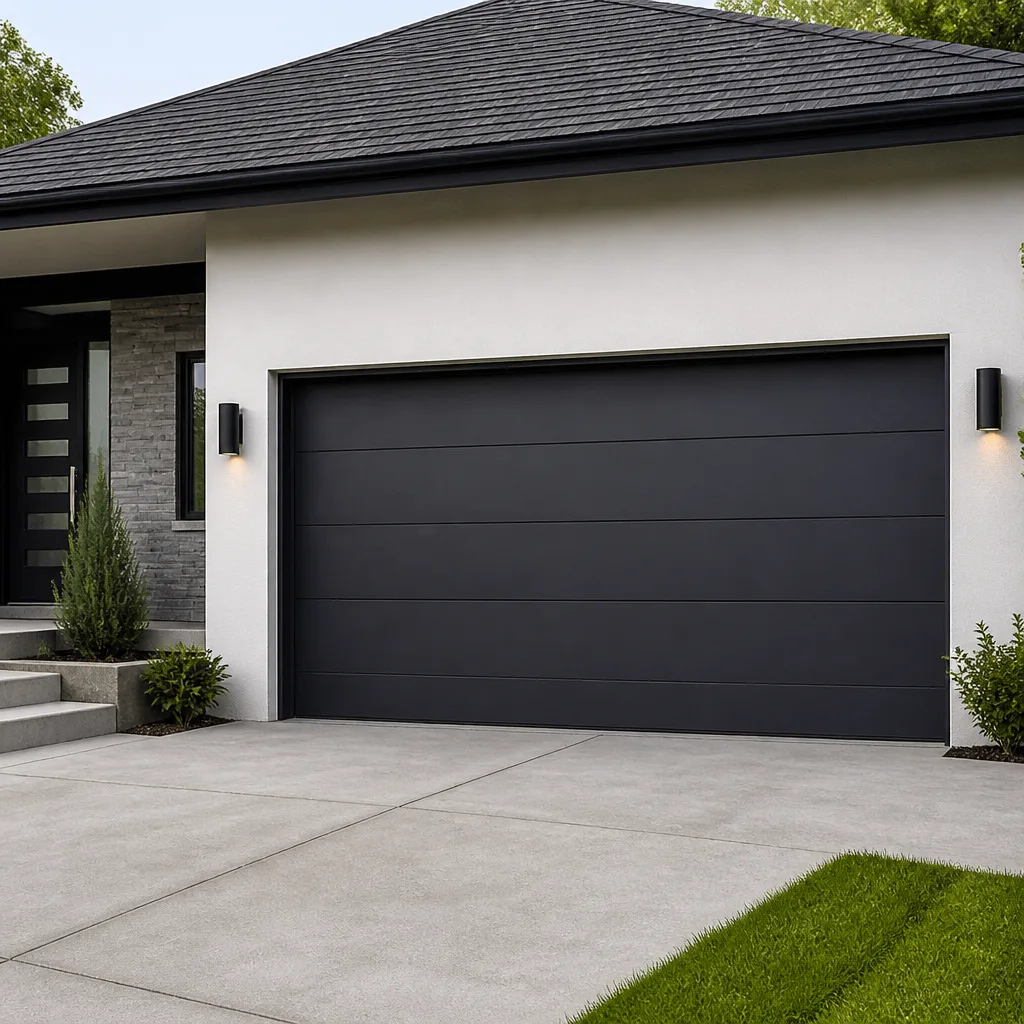 Modern flush
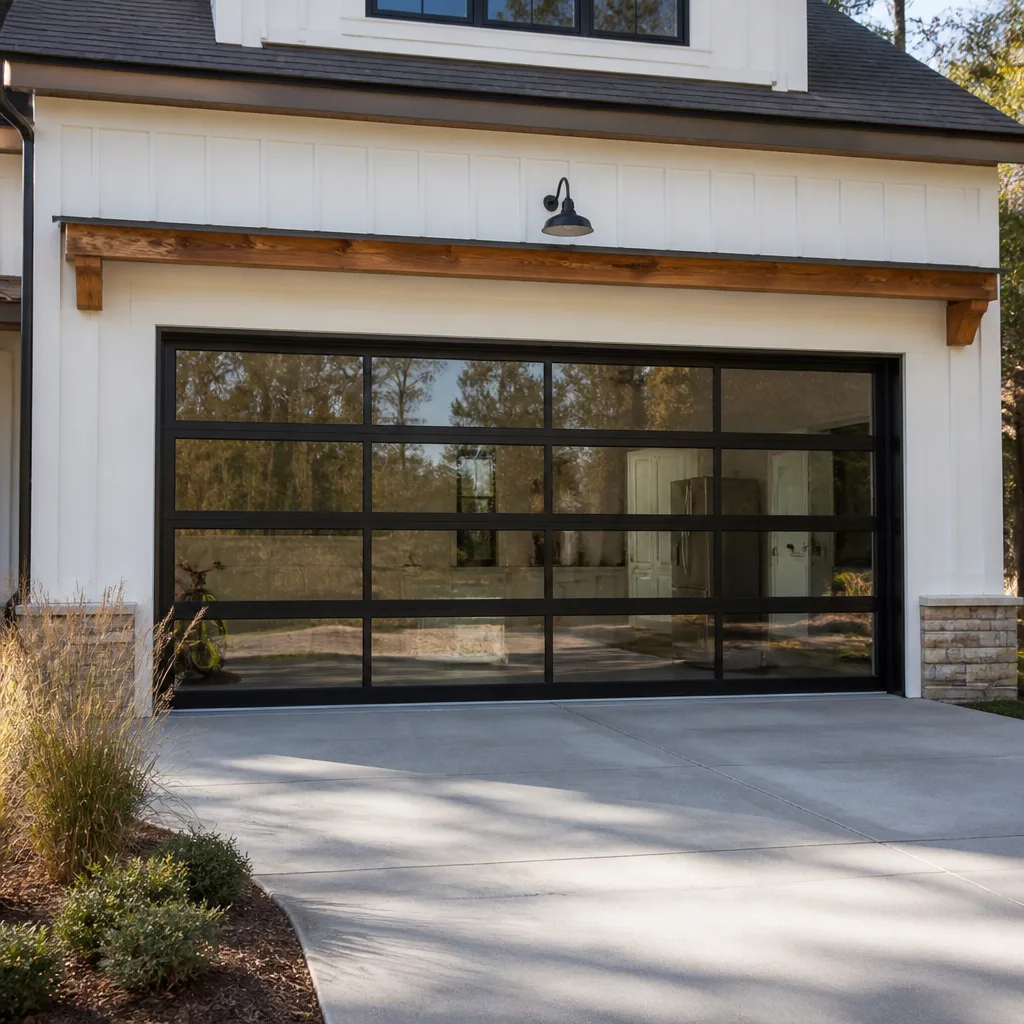 Full-view glass
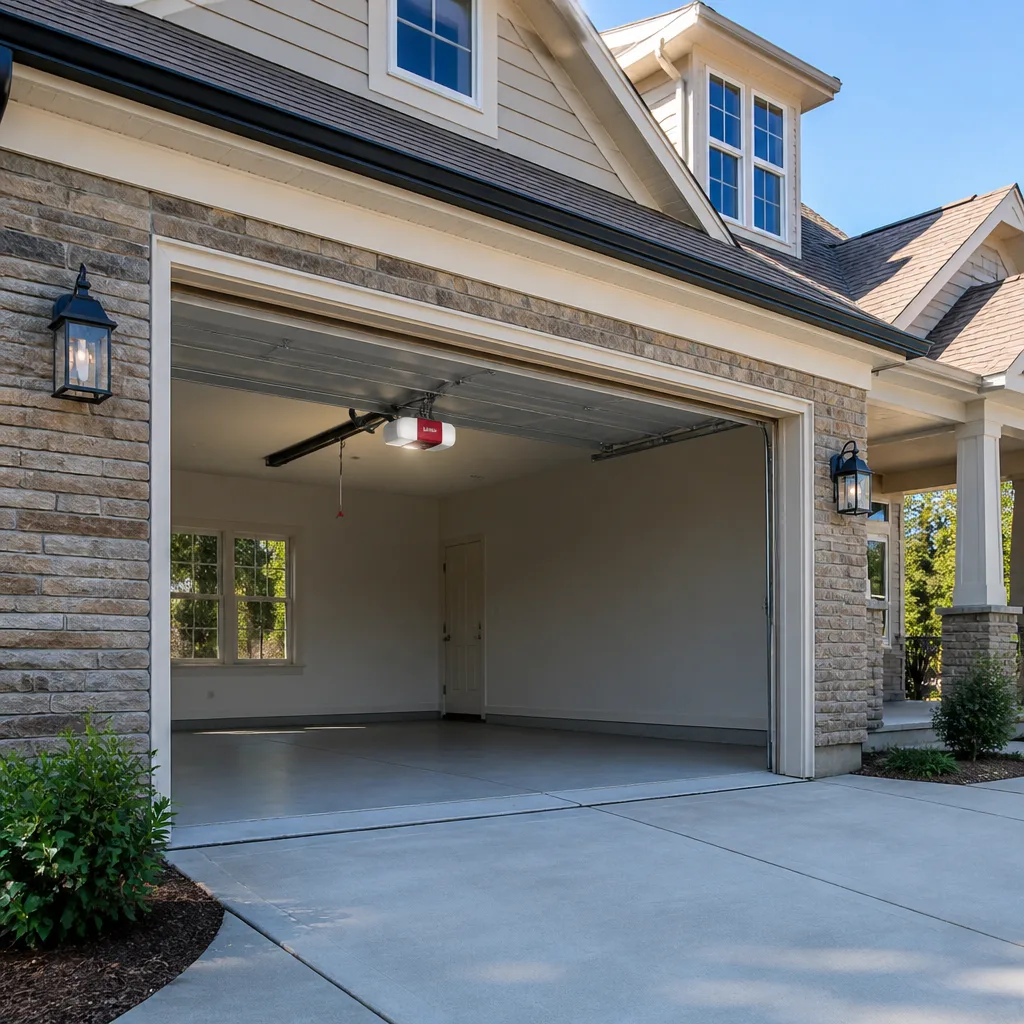 LiftMaster openers
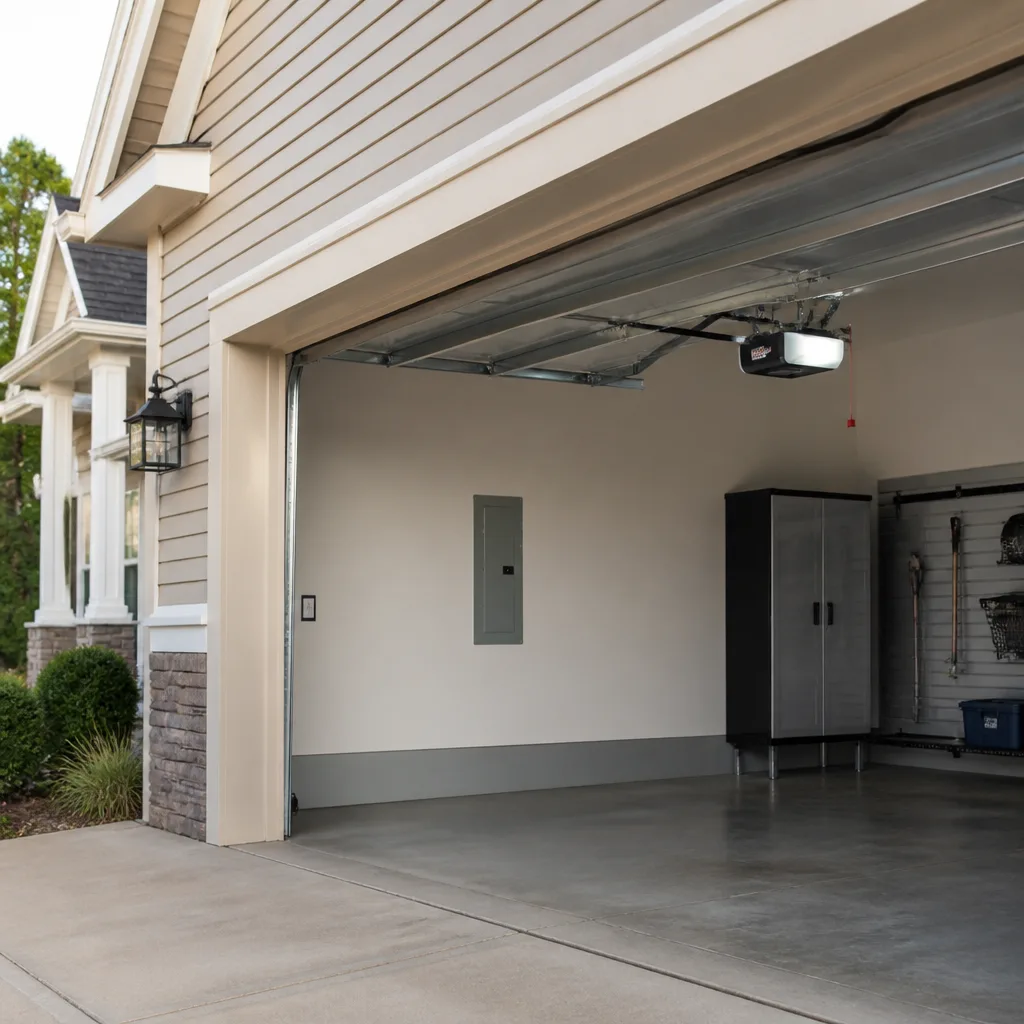 Chamberlain openers
Full 25-point door and opener safety check with every visit - springs, cables, rollers, tracks, and your LiftMaster or Chamberlain opener included
You get a price before we start. It does not change when the pro arrives.
Get your free estimateGarage Door Warning Signs: A Tuckahoe Homeowner’s Reference Guide
A garage door that “just moves a little slow” can be a symptom of a torsion spring that’s lost a third of its tension, and a spring at that stage is often only weeks away from snapping under load. That slow movement is easy to file away as a quirk of an older door. We see homeowners in Tuckahoe do it all the time, right up until the door quits in the driveway. Most failures aren’t silent. They announce themselves through specific sounds, uneven movement, and small visual cues if you know what each one points to. This guide decodes those signals component by component, separates the “schedule a repair” warnings from the “stop using the door today” ones, and gives you a clear framework for what to do next.
Quick Answer
The main garage door warning signs are new or worsening noise (squealing, grinding, popping, banging), a door that hangs lower on one side, jerky or slow travel, and a motor that keeps running after the door stops. Any popping or banging from the torsion system means stop using the door and call a professional. Slower-developing signs like a lagging remote, a light gap at the bottom, or a door that sags on one side should be checked before they turn into a breakdown.
Styles & brands we work with
- Raised-panel steel
- Carriage house
- Modern flush
- Full-view glass
- LiftMaster openers
- Chamberlain openers
Table of Contents
- What does each sound mean? A component-by-component decoder
- Why a door that hangs lower on one side matters
- Opener behavior flags you shouldn’t ignore
- Weatherseal failure signals beyond visible cracks
- Schedule soon vs. stop using the door today
- The five-minute visual inspection you can do safely
- How Tuckahoe’s seasonal swings shorten part life
What Does Each Sound Mean? A Component-by-Component Decoder
Sound is the fastest diagnostic tool you have, because each component in the system makes a different noise when it starts to fail. The trick is knowing which noise belongs to which part. In our experience, homeowners tend to lump all garage noise together and call it “the door being noisy.” Tuckahoe homes with older doors usually have more than one thing making noise at once, which is why a single repair doesn’t always quiet the whole system.
Here’s how we map the common sounds:
- Squealing or high-pitched squeak: Usually metal-on-metal friction – dry rollers, worn hinges, or a torsion tube running dry. This is a maintenance-level issue: schedule it, don’t panic.
- Grinding that comes from the opener itself: The motor or gear assembly inside the opener. Grinding at the head, not the door, points to the opener and means it needs attention soon.
- Grinding that tracks the door’s movement: A roller that’s seized or a bent track the roller is dragging through. This one gets worse fast and can score the track.
- Popping or snapping from the center bar above the door: The torsion spring. A pop is the spring slipping or a cable jumping, and that’s a stop-and-call situation – springs are under extreme tension and are not a DIY repair.
- Banging or slamming at the bottom: A door dropping too fast, often a failing spring, a broken cable, or an opener’s force setting that’s no longer matched to a heavier door.
The key distinction: noise that comes from the head unit is the opener. Noise that follows the door along the track is the door itself. Noise from the bar above the door is the spring system. If you can tell us which of those three locations the sound is coming from, we can usually narrow the repair before we’re out of the van. Most Tuckahoe garages are tight, unheated spaces, which means the temperature swings across the year work on metal and rubber at the same time – more on that in the seasonal section below.
Why a Door That Hangs Lower on One Side Matters
A garage door that’s lower on one side is almost never a cosmetic issue. It means the two sides of the door aren’t being lifted with equal force, which points to a specific component on the low side: a stretched or frayed cable, a broken spring on a two-spring system, or a torsion setup that’s out of balance. This is one of the most important visual warnings because it tells you which side to look at, and it often gets dismissed as a crooked panel.
Here’s what an unbalanced door tells you, in order of likelihood:
- A broken spring on that side. On a two-spring torsion system, one spring can fail while the other still holds. The door still opens, but it strains and hangs low on the failed side.
- Cable wear or a jumped cable. A frayed or slack cable on one side lets that corner drop. A visibly slack cable is a stop-using signal – it’s under substantial load when the door is operated.
- Bent track or a failing roller on that side. Less common as a cause of the drop itself, but often a consequence of an unbalanced door working its way off track.
Stand back and look at the door in the closed position from inside the garage, then from outside. A gap at one bottom corner, a visible tilt at the top, or a door that looks fine closed but rises crooked is a balance problem. In Tuckahoe, doors that sit through humid summers and cold winters tend to show balance problems as the seasons change, and a door that was fine in the fall can read as low on one side by mid-winter. Cables and springs on a failing torsion system can release suddenly and are genuinely dangerous – if you see a slack cable or a door that’s noticeably crooked, stop operating it and have a trained technician take a look. Our own work on garage door spring repair starts with a balance check for exactly this reason.
Opener Behavior Flags You Shouldn’t Ignore
The opener tells you a lot about itself, if you watch it. Slow travel, a motor that runs a few extra seconds after the door stops, or a remote that has to be pressed from closer and closer each month are each pointing at a different failure mode – some mechanical, some electrical. We repair openers from every major brand, and the brands homeowners most often call us about are LiftMaster, Chamberlain, Genie, and Clopay’s opener-compatible units, so the fixes below are familiar work.
What each behavior usually means:
- Slow travel speed: A motor under more load than it’s rated for. Often the door’s balance has drifted and the opener is dragging a heavier door than it was set up for. This is a warning about the door, not the opener, most of the time.
- Motor running after the door stops: The travel limits or the force setting have drifted, or a gear inside the opener is slipping. Left alone, this can cause a door to reverse on its own or fail to close fully.
- Remote works only up close: Usually an electrical issue – a failing receiver, a weak battery in the remote, or interference. Cheap to check and often cheap to fix.
- Door reverses for no clear reason: A safety sensor out of alignment or a force setting that needs recalibrating. A door that reverses is a safety concern and needs prompt attention.
- Clunking from the head unit: A worn gear or sprocket inside the opener. On older Craftsman and Genie units this is a common wear point.
What to check before you call: make sure both door sensors are clean and aligned, test the wall control as well as the remote (if the wall works and the remote lags, it’s the remote or receiver), and unplug and replug the opener’s power once to see if a lockout clears. If the behavior comes back, it’s a repair. When you’ve done that and the opener still misbehaves, that’s when it’s worth having someone take a look at garage door opener repair. Two things you should never do: reach into the opener’s housing while it’s plugged in, and force a door that won’t open or close cleanly – a stuck door under opener power is how panels and tracks get bent.
Weatherseal Failure Signals Beyond Visible Cracks
A torn weatherseal is easy to spot when it’s shredded. The subtler signals are the ones that matter more in Tuckahoe, because they tell you the seal has stopped doing its job before it visibly fails. Three checks catch most of them: light, rodent evidence, and change.
- Light gaps: Close the door at night with the garage light on and look from outside. A thin line of light under the bottom seal, at the corners, or along the sides means air, water, and pests have a route in.
- Rodent evidence: Droppings, chewed seal material, or nesting material near the door bottom. If the seal has shrunk or split, small animals find it. This is one of the most reliable early signs of bottom-seal failure we see.
- Energy bill changes: A garage attached to the house with a failed bottom seal is a permanent draft. If your heating or cooling bills creep up season over season and the garage is on the conditioned side of the house, the seal is worth checking.
- Water in the garage after rain: A bottom seal that’s flattened or shrunk lets water track in under the door. In older Tuckahoe garages with slightly sloped slabs, this is common.
- Seal material that’s hard, cracked, or compressed flat: Rubber and vinyl seals harden and lose their memory over time. A seal that used to spring back and now stays flattened needs replacement.
- Door noise at the bottom that appeared slowly: If the door has started thumping or dragging at the bottom, the bottom seal or the track’s lower rollers may be worn.
Weatherseal is cheap insurance against bigger problems. If you catch a seal issue early, it’s a small repair; leave it and the water and pest exposure turns into a bigger deal. If you’re seeing more than one of the signals above, it’s worth having the door checked as a system rather than just replacing the seal in isolation – often the seal is telling you the door is no longer running true.
Schedule Soon vs. Stop Using the Door Today: A Decision Framework
Not every warning sign is an emergency, but some are. This is the framework we use to sort warning signs into three buckets. It’s the single most useful part of this guide, because it tells you what to do in the next ten minutes, not just what’s wrong.
Stop using the door today (call now)
- Any popping, snapping, or banging from the torsion bar above the door.
- A visibly slack, frayed, or hanging cable.
- A door that’s noticeably crooked or hanging on one side.
- A door that dropped and now won’t move at all.
- A closed door you can’t secure or open safely (for example, a car trapped in, or a security gap).
- Any sign the door is off its track.
For these, stop operating the door and call a trained technician. Springs and cables are under substantial tension even when the door is closed, and a sudden release can cause serious injury. Do not hand the repair to a general handyman, and do not attempt to adjust springs yourself.
Schedule soon (within days to a couple of weeks)
- Consistent grinding or squealing that’s getting worse.
- An opener that runs past the door’s stop, reverses on its own, or only responds up close.
- Slow travel speed, or a door that feels heavier to lift by hand than it used to.
- Light gaps, water in the garage, or rodent evidence at the seal.
- A door that hangs slightly uneven.
Watch and maintain
- A single squeaky hinge, a rattly panel, a slow remote battery – fix them, but they aren’t urgent.
- Seasonal stiffness that clears as the weather settles.
If you’re not sure which bucket a warning sign lands in, that’s a fine reason to call and ask. We answer 24/7, and fast dispatch is 7am to 7pm when a door has to be dealt with. In Tuckahoe, a door that’s stopped dead in the frozen months or a hot week in July is worth a call regardless of where it falls in the framework.
The Five-Minute Visual Inspection You Can Do Safely
You don’t need tools to catch most warning signs. This five-minute walk-around, done once a month, is the highest-value check you can make, and it’s safe to do because you’re only looking – not touching springs or cables. We recommend it to every Tuckahoe homeowner on their first visit.
- Look at the door from outside, closed. Is it level? Is there a gap at one bottom corner? Is one side lower than the other?
- Run the door fully open and closed once. Watch the movement, not the door – is it smooth, or does it jerk, pause, or drift to one side?
- Listen as it moves. Note whether the noise is from the head unit, the track, or the bar above the door.
- Look at the bottom seal and corners. Close the door at night with the light on and check for light gaps. Look for cracks, compression, or rodent evidence.
- Test the safety reverse. Put a roll of paper towels under the door and close it – the door should reverse off the roll. If it doesn’t, the sensors or the force setting need attention.
- Check the opener’s response. Does the wall control work the same as the remote? Does the remote need to be pressed from closer than last month?
Any “yes” to a question above that surprises you is worth writing down. Bring that note to a phone call and you’ll get a more precise answer faster, whether you’re calling us or your regular garage door company. We work on the brand you already have, which means we can take your note and turn it into the right part for your specific system.
How Tuckahoe’s Seasonal Swings Shorten Part Life
Tuckahoe sees real swings between hot, humid summers and cold winters, and that cycle moves every metal and rubber part on a garage door. Springs, cables, tracks, and seals all expand, contract, and flex through those shifts. A torsion spring is designed to cycle, but humidity and temperature change the load, and a part that was near the end of its life in the fall is often the part that fails in the spring. We see more balance and spring complaints coming out of the cold months than at any other time of year.
What that means for you, in practice:
- Check after the first hard cold snap and the first hot week. Those two moments are when balance and noise problems show up most.
- Pay attention to stiff operation. A door that feels heavier in cold weather is telling you the torsion system is working harder. That’s not just a comfort issue; it’s loading parts.
- Keep the seal on your radar. Rubber hardens and shrinks through the summer and cracks through the winter. A seal with a light gap in the fall will have a bigger one in the spring.
- Listen for a change in pitch or rhythm. A door that used to hum now grinding or clunking is a seasonal warning, and it’s better caught before the part fails.
We handle the full range, from a broken spring to a full new door, and we repair garage door systems from LiftMaster, Chamberlain, Genie, and Clopay among the eight major brands – so whatever’s under your Tuckahoe roof, there’s a good chance we’ve worked on the exact system before. If you’d like to talk through the warning signs you’re seeing, call (866) 937-7740 and we’ll help you figure out what to do next. Our technicians have up to 13 years of experience. You can read more about the full range of what we do at Tuckahoe Garage Door Repair Pros, and if you’re hearing something, the answer may well be garage door repair rather than a full replacement.
Common Mistakes to Avoid
- Treating a one-sided sag as cosmetic. A door that hangs lower on one side is pointing at a cable or spring failure on that side. Ignoring it lets the good side work overtime.
- Lubing the tracks. Lubricant belongs on hinges, rollers, and the torsion tube – not on the tracks. Greasy tracks collect grit and can cause the rollers to jump or the door to slip.
- Using WD-40 or a general household oil on the spring system. The wrong product on a torsion bar does more harm than good. Use the right product and have a technician show you where it goes.
- Tightening a slack cable “just to hold it” or trying to wind a spring. These parts are under extreme tension and can release with serious injury. This is never a homeowner repair.
- Calling the opener the problem before checking the door. Most “bad openers” are actually a door that’s out of balance and dragging. Diagnosing the opener first is how a working opener gets replaced for no reason.
- Replacing a seal without checking the door’s alignment. A new seal on a door that’s out of balance will wear or tear unevenly. Check the balance first.
- Assuming Tuckahoe’s seasonal swings won’t affect a newer door. Every door on every Tuckahoe system is exposed to the same temperature cycles, and newer doors are not immune to balance drift. Check once a month regardless of age.
See the difference
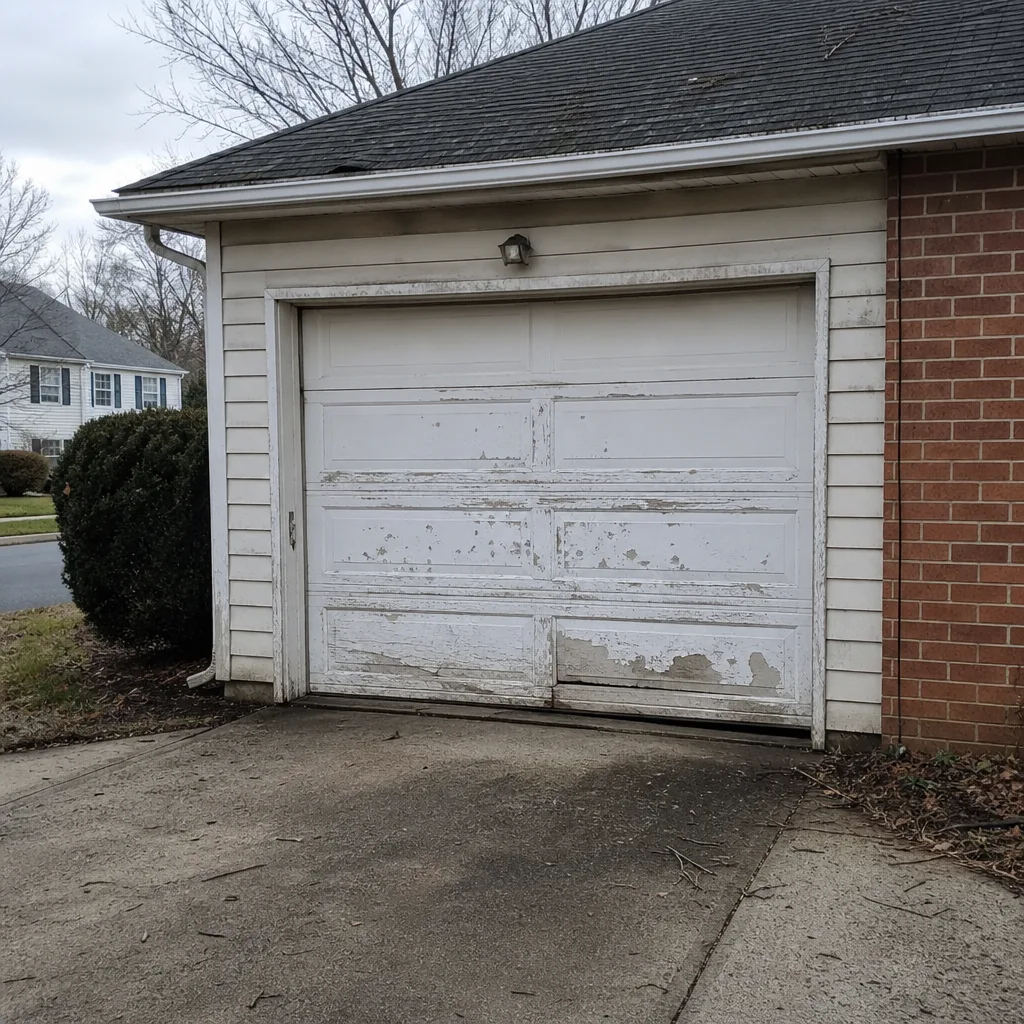 Before
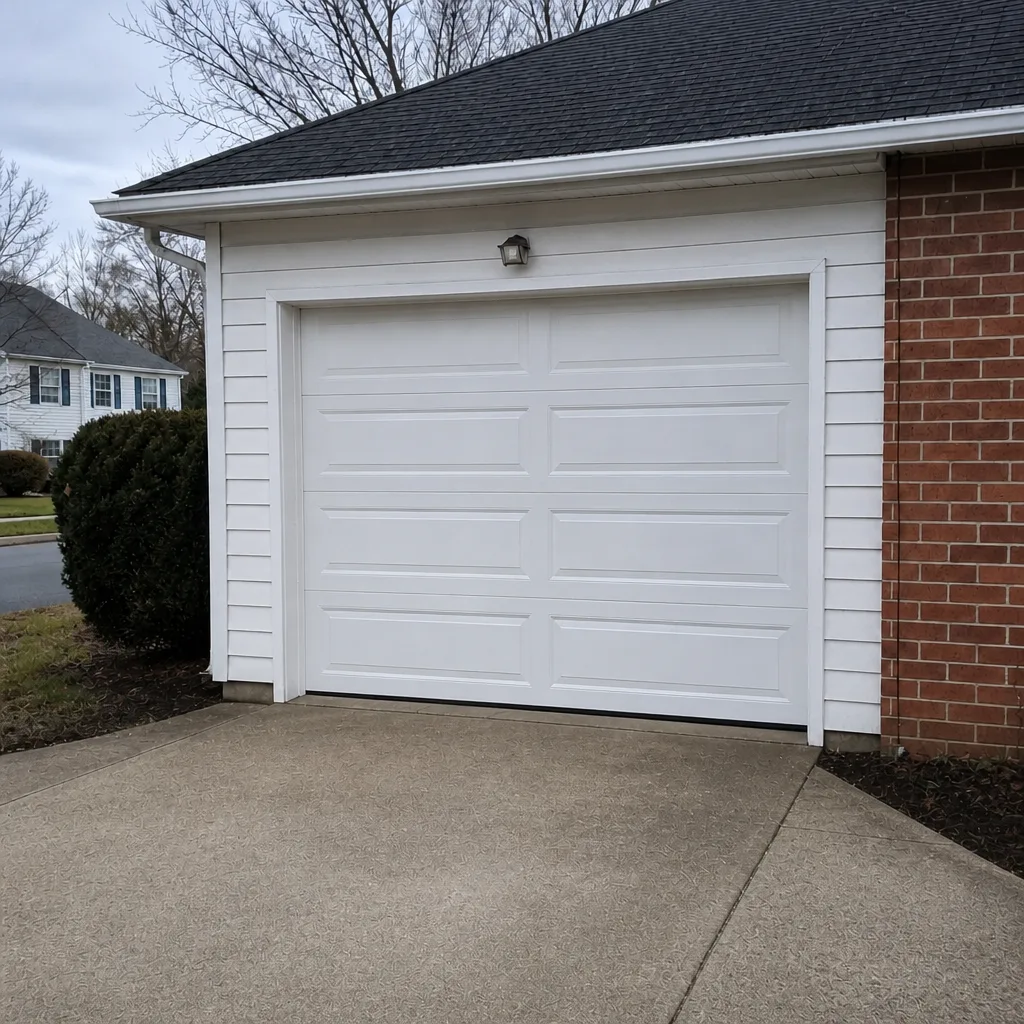 After
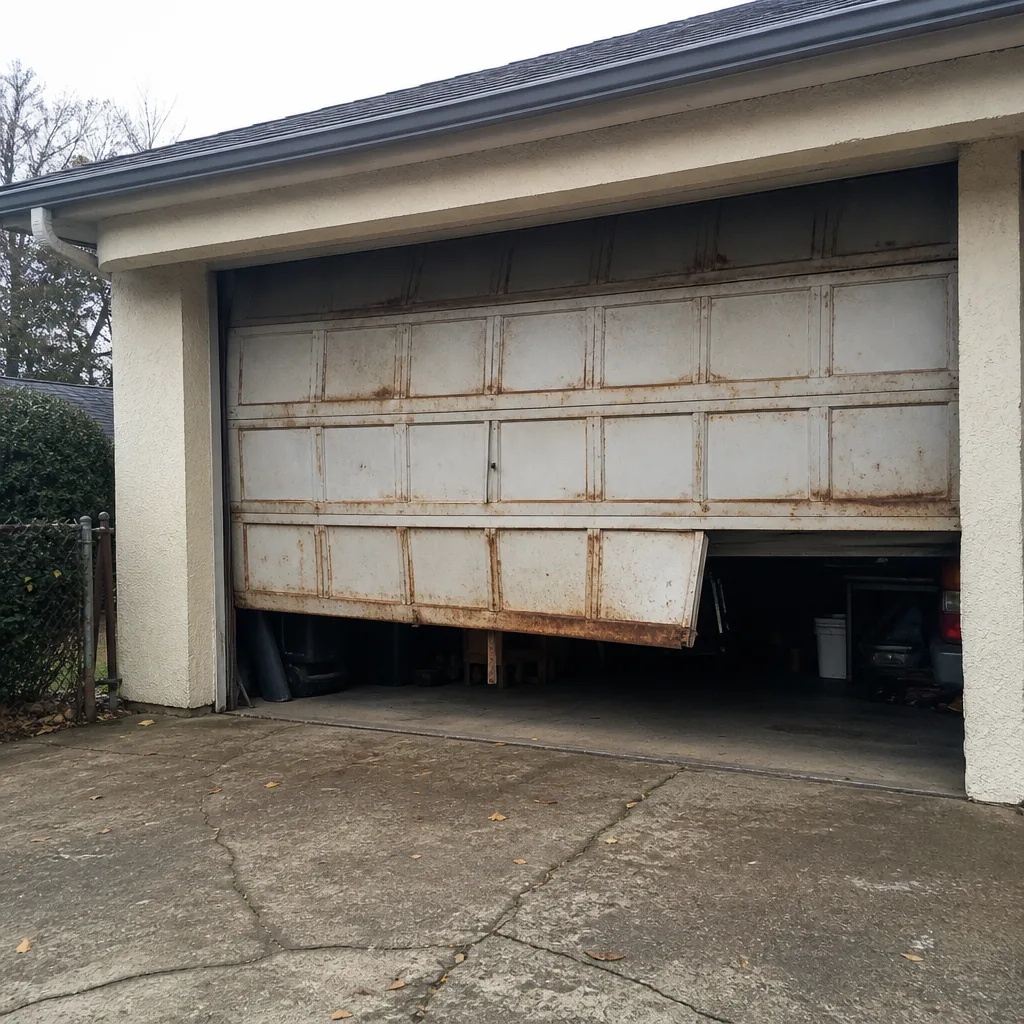 Before
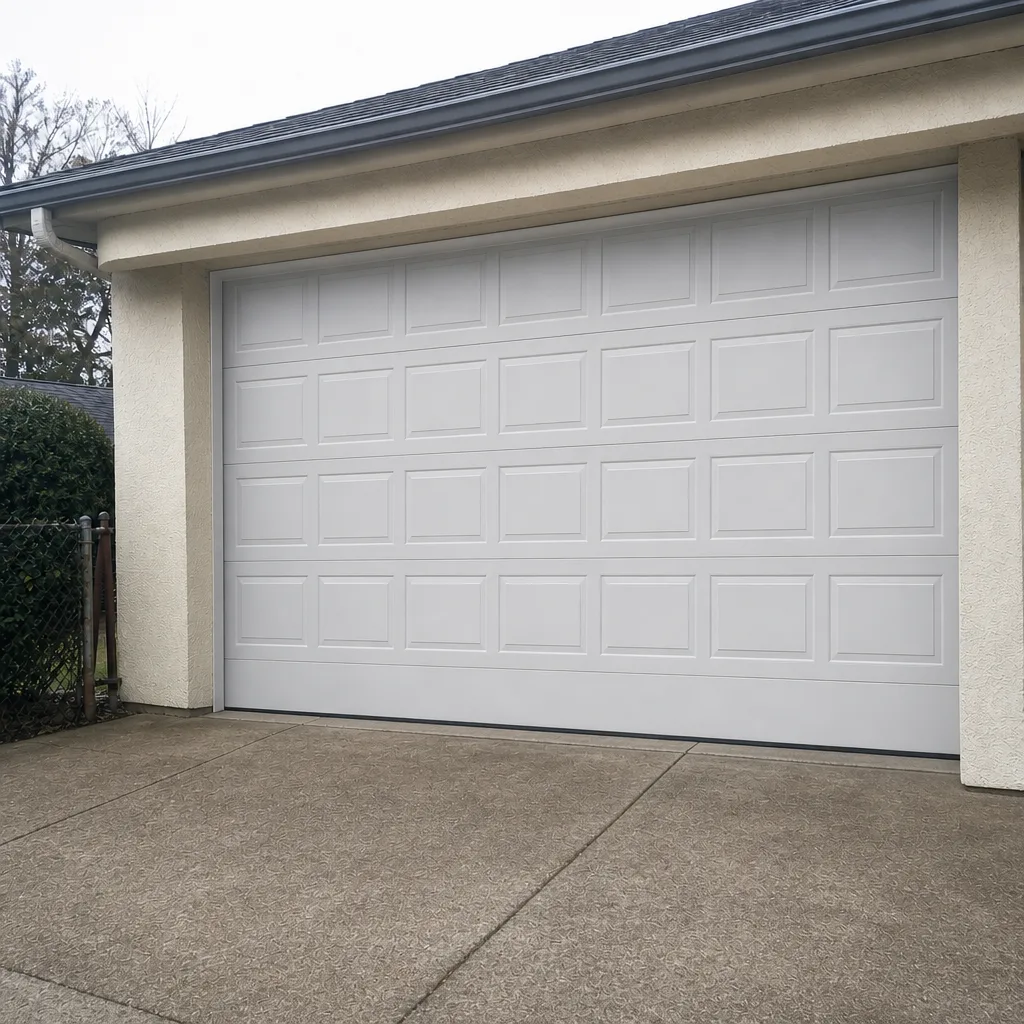 After
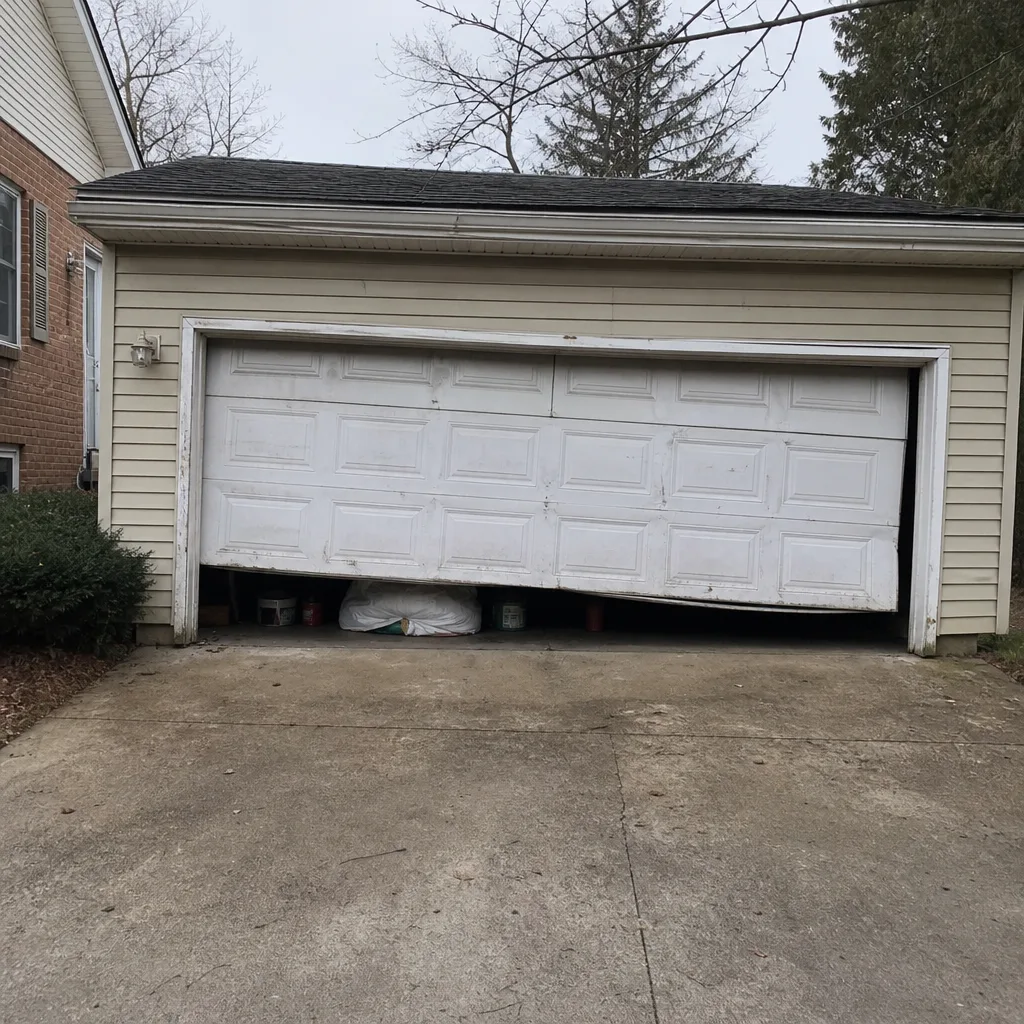 Before
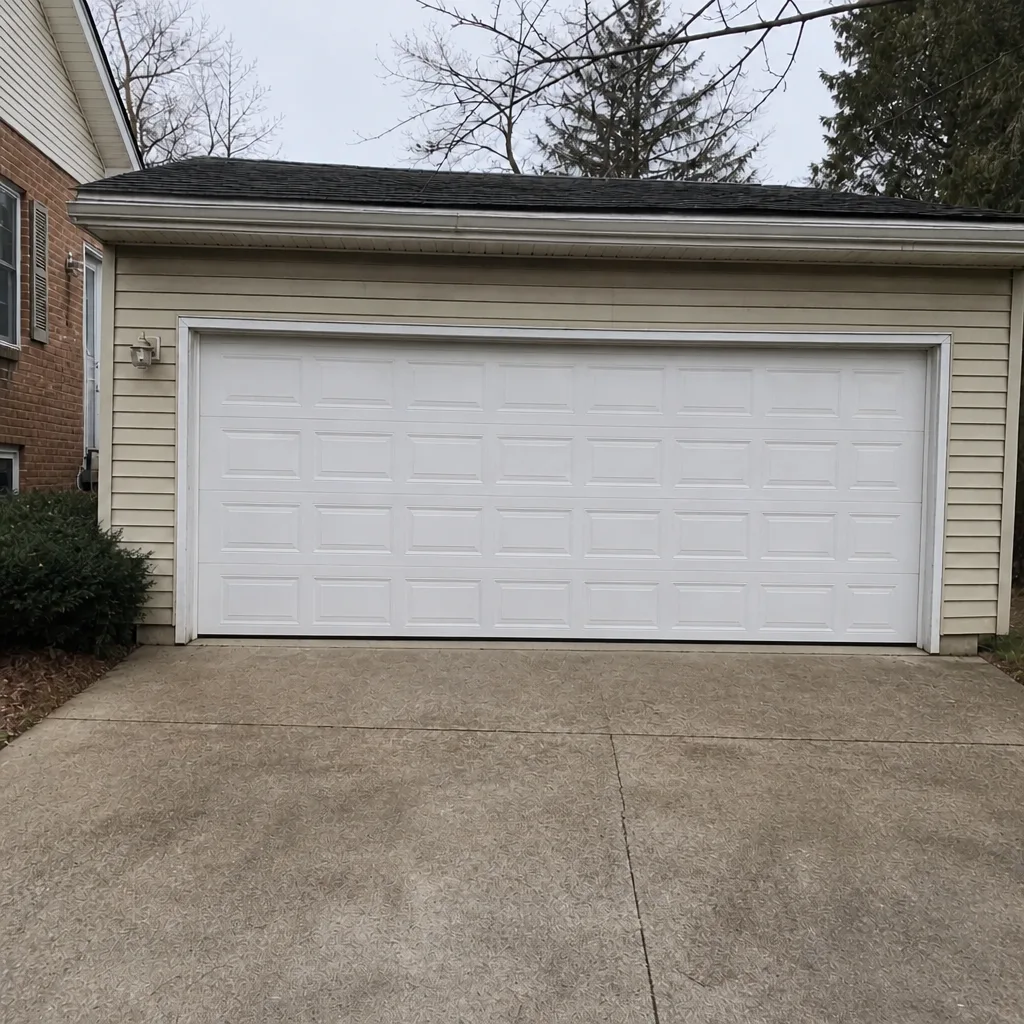 After
When to Call a Professional
Call a professional for any popping or banging from the spring system, any slack or frayed cable, a door that’s crooked or stuck, or an opener that reverses on its own or runs past its stop. Call for a grinding that’s getting worse, a door that feels heavier by hand, or a weatherseal that’s letting in light, water, or rodents. These are all things a trained technician can diagnose in a single visit and fix without guesswork. Tuckahoe Garage Door Repair Pros offers free estimates in Tuckahoe – call (866) 937-7740. We answer 24/7, and when a door has to be handled quickly, fast dispatch from 7am to 7pm is our window. The price is quoted and agreed before any work starts, and the written estimate sets the final price.
Frequently Asked Questions
Consistent noise that’s getting worse – grinding, squealing, or popping – is the most common early warning sign. A door that was quiet last month and is noisy now is telling you something has worn or tightened. Call (866) 937-7740 for a free estimate if the noise is new and worsening.
No. Popping or snapping from the bar above the door means the torsion system is involved, and that’s a stop-using-today signal. Springs and cables under tension can release suddenly and cause serious injury. Stop the door and call a professional.
A door that hangs lower on one side usually has a cable or spring problem on that side, not a cosmetic panel issue. It’s a “schedule soon” warning that becomes “stop using” if you see a slack or frayed cable. Call (866) 937-7740 to have it diagnosed – estimates are free.
It’s usually a travel limit or force setting problem, or a worn gear inside the opener. Left alone, it can lead to a door that reverses on its own or doesn’t close fully. It’s worth having checked, and a quick call to (866) 937-7740 will help sort it.
A light gap at the bottom or corners, water in the garage after rain, or rodent evidence near the door are all weatherseal failure signals beyond visible cracks. A seal that’s hard and flattened needs replacement. Call for a free estimate on a seal check.
The local professionals we connect you with are licensed and insured as their state requires. Our own technicians have up to 13 years of experience, and we work on all eight of the major door and opener brands. Call (866) 937-7740 for a free estimate.
The Bottom Line
Most garage door failures announce themselves before they happen, in a sound, a crooked hang, an opener that’s running past its stop, or a seal that’s letting in light. The warning signs fall into clear buckets by component, and each bucket has its own urgency: squeals and light gaps are schedule-soon; pops, slack cables, and crooked doors are stop-today. The five-minute monthly check catches most of it safely. Our technicians have up to 13 years of experience and work on the brand you already have, across all eight major systems.
If you’re seeing warning signs and aren’t sure which bucket they fall in, call Tuckahoe Garage Door Repair Pros at (866) 937-7740 for a free estimate. We answer 24/7, and fast dispatch from 7am to 7pm means a door that can’t wait doesn’t have to. The price is quoted and agreed before any work starts.
Written by the team at Tuckahoe Garage Door Repair Pros.