Last updated November 23, 2026
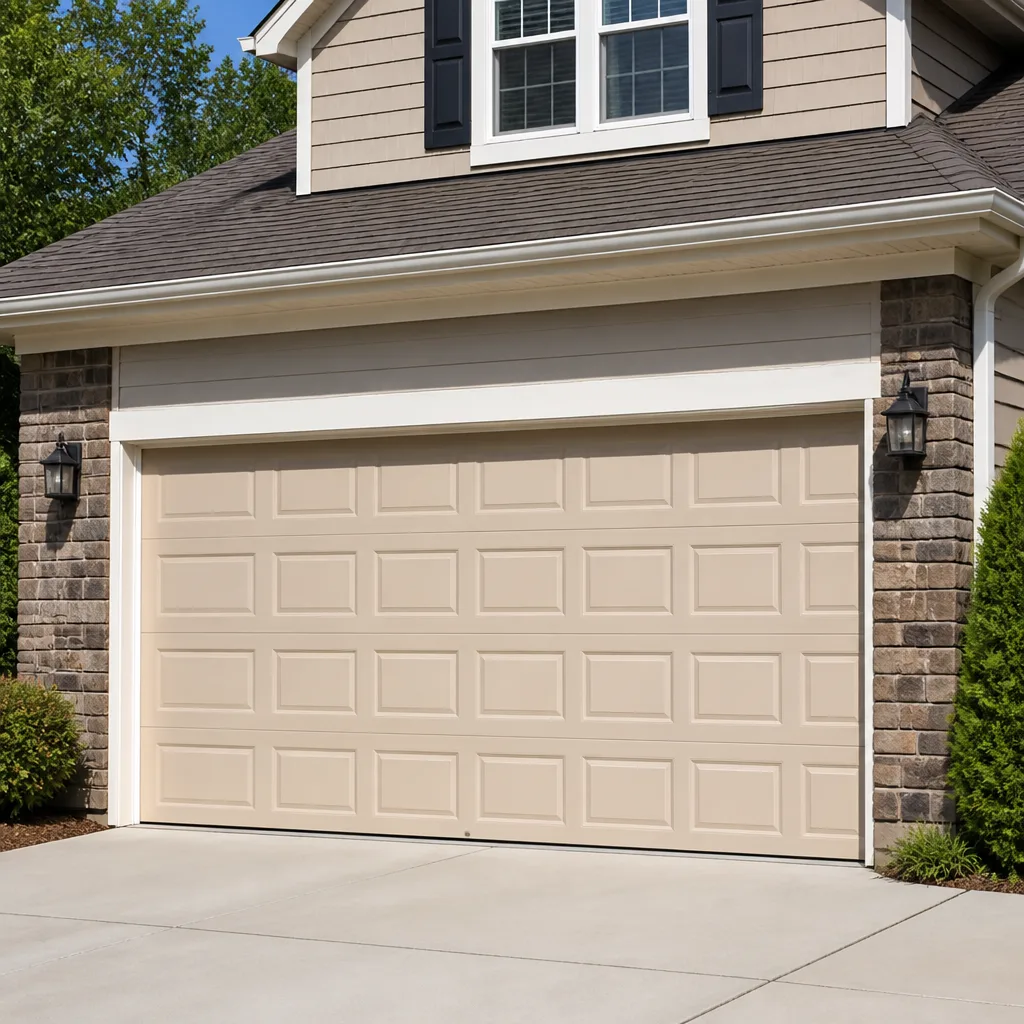 Raised-panel steel
 Carriage house
 Modern flush
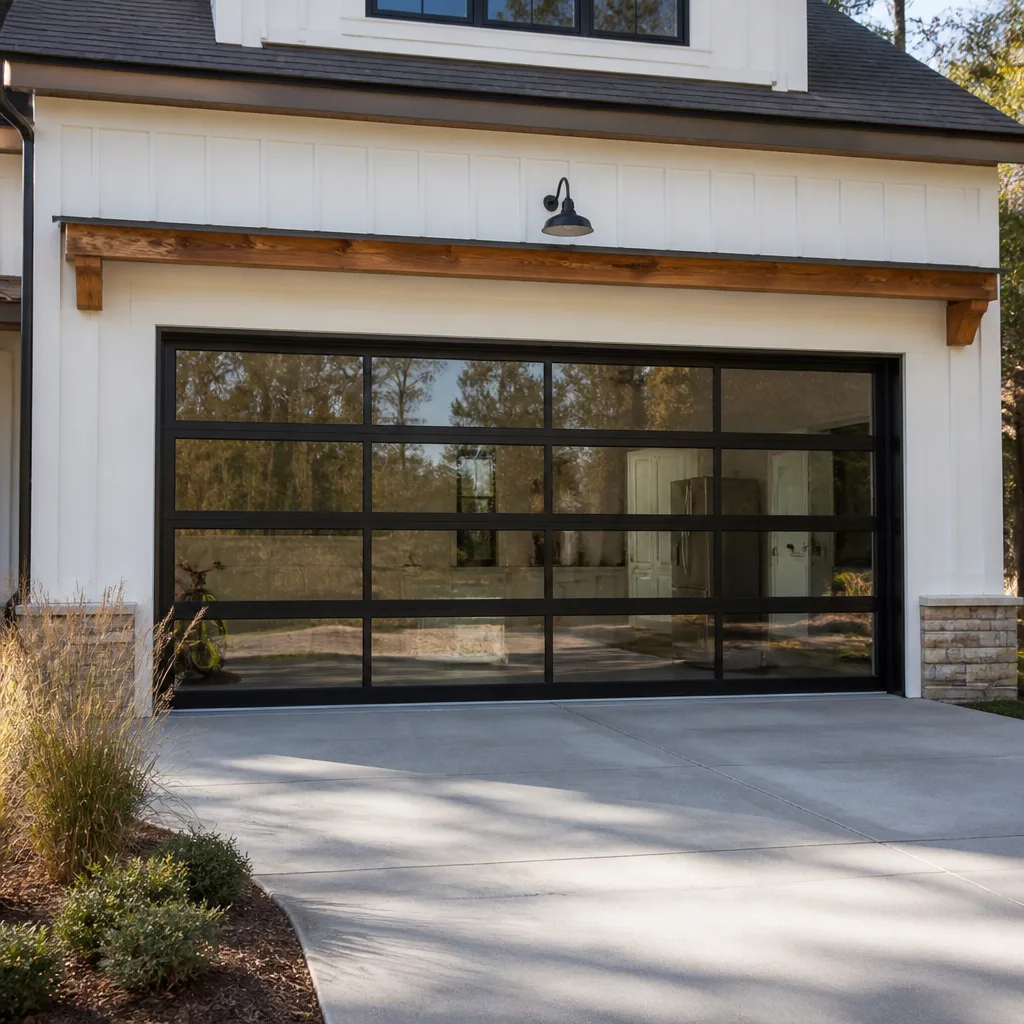 Full-view glass
 LiftMaster openers
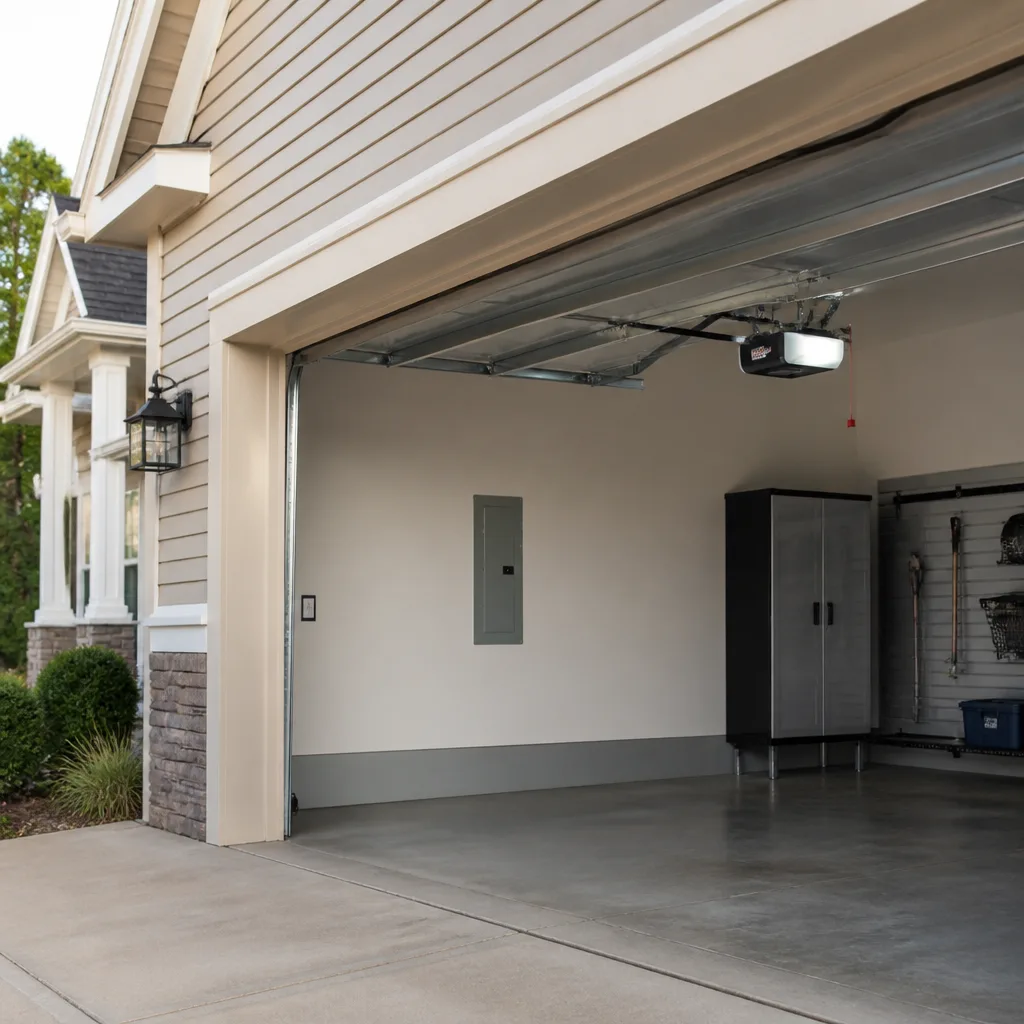 Chamberlain openers
Full 25-point door and opener safety check with every visit - springs, cables, rollers, tracks, and your LiftMaster or Chamberlain opener included
You get a price before we start. It does not change when the pro arrives.
Get your free estimateGarage Door Repair Maintenance Checklist for Tuckahoe Homeowners
Using WD-40 on garage door springs or rollers is one of the most common homeowner maintenance mistakes we run into. It feels helpful – it quiets a squeak, it displaces grime – but WD-40 is a solvent, not a lubricant. Sprayed on torsion spring coils or roller bearings it strips away the factory grease and leaves bare metal grinding against metal. The door gets noisier within weeks, and the wear accelerates. That single misconception is why a generic “lubricate moving parts” checklist does more harm than good. In this guide we get specific: which lubricant belongs on which component, what an auto-reverse test result actually tells you, which checks are safe for a Saturday morning, and which ones should send you straight to a trained technician. Tuckahoe homes have their own seasonal rhythms, and the checklist below is built around them.
Quick Answer
A garage door maintenance checklist for Tuckahoe should cover five things: correct component-specific lubrication, a monthly auto-reverse force test using a 2×4, a visual inspection of the torsion spring for gap or coil wear, a level check on both vertical tracks, and a listening pass for new noises. Only lubrication, visual checks and the force test are safe for a homeowner. Anything involving the torsion spring, cables or track realignment is a same-day call to a professional, because those components store dangerous tension and fail without warning.
Styles & brands we work with
- Raised-panel steel
- Carriage house
- Modern flush
- Full-view glass
- LiftMaster openers
- Chamberlain openers
Table of Contents
- The Component-by-Component Lubrication Guide
- How to Run and Read the Auto-Reverse Force Test
- Torsion Spring Inspection: What a Coil Gap Means
- Track Alignment: The Level Check That Matters
- Tuckahoe Seasonal Timing: What to Do When
- Rollers, Hinges, Cables and the Parts You Can See
- Which Checks Require a Professional
The Component-by-Component Lubrication Guide
Lubrication is the one maintenance task most homeowners tackle themselves, and it’s also the one most often done wrong. The rule of thumb: match the lubricant to the metal and the load. Each component operates under different friction, pressure and exposure, so a single spray can (or a can of WD-40) doesn’t belong everywhere. Here’s what we recommend and why.
Rollers and Hinges: Lithium Grease
Rollers and hinges carry the door’s weight through constant cycles, and the bearings inside each roller are the wear point. Lithium grease – the white, tacky variety sold in tubes or aerosol cans – clings to bearing surfaces and doesn’t sling off. Apply a small amount to each roller’s bearing, not the roller wheel itself, and a dab on each hinge pivot point. Wipe off excess. Grease on the roller’s outer wheel or on the track can attract grit and cause binding.
Weatherstripping and Seals: Silicone Spray
The rubber bottom seal and the perimeter weatherstripping take a beating from temperature swings. In Tuckahoe’s humid summers, a dry rubber seal hardens, cracks and loses its seal against the floor. Silicone spray keeps the rubber supple without petroleum distillates that deteriorate it over time. Apply a light coat to the bottom seal and jamb weatherstripping a few times a year, wiping away any grime first so the silicone reaches the rubber.
Torsion Spring Coils: Nothing
This is the counterintuitive one. Torsion spring coils are wound under high tension and they need nothing applied to them. No WD-40, no grease, no silicone, no household oil. Adding anything attracts dust that packs into the coils and grinds between them; solvent-based sprays strip whatever protective finish is there and can accelerate rust. A torsion spring under tension is also a component you should never reach around, wipe down or inspect closely by hand – more on that below. If a spring is noisy or worn, that’s a professional call, not a lubricant job.
Opener Chain or Belt: Manufacturer-Recommended Lubricant Only
Chain-drive openers (common on older Craftsman and LiftMaster units) benefit from occasional lubrication, but only with what the manufacturer specifies on the label. Belt-drive units generally shouldn’t be lubricated at all – belts run dry. Applying the wrong product to a belt or chain is a path to premature failure and a noisy door. If you’re not sure which drive type you have, the label on the opener housing will tell you.
A quick reference table for the homeowner:
- Rollers: lithium grease, on the bearing only.
- Hinges: lithium grease, on each pivot.
- Weatherstripping and bottom seal: silicone spray.
- Torsion springs: nothing – leave them alone.
- Opener chain: manufacturer-specified lubricant only.
- Opener belt: dry, no lubricant.
- Never: WD-40 or any solvent-based spray on any part of the door.
How to Run and Read the Auto-Reverse Force Test
The auto-reverse is the safety feature that sends the door back up if it hits an object on the way down. It’s the single most important safety mechanism on the system, and it’s the one most homeowners never test. The test takes about two minutes and tells you a lot more than “it works” or “it doesn’t.”
Running the Test
- Disconnect the opener and test the door by hand first – it should raise and lower smoothly with one hand and stay in place halfway up. If it doesn’t, stop: that’s a balance problem for a professional, and the force test below will be misleading.
- Place a 2×4 flat on the floor across the center of the door opening.
- Close the door using the wall control. When it contacts the 2×4, the door should reverse within about two inches of travel and return to the open position.
- Repeat the test with the door about a foot off the ground using your hand (never a limb in the path of the door). The door should reverse on gentle contact.
What the Results Mean
If the door reverses within the two-inch window, the force setting is in range. If it keeps pushing down on the 2×4 for more than a few inches, the force is set too high and the door can crush a small object (or worse) before reversing – that’s a genuine safety risk and a call to a professional to adjust, not a setting to change blindly. If the door reverses instantly with barely any contact, the force is set too low and the door will trip on debris or a small obstruction, which is annoying but not dangerous. Photo-eye sensors on the track near the floor are a separate safety layer and should also be tested: block the invisible beam with your leg and the door should refuse to close at all. If the door closes anyway, the sensor is misaligned or failed and needs service before the door is used again.
On the multi-brand openers we work with – LiftMaster, Chamberlain, Genie and others – the force adjustment location varies, so check the manual or the label on the head unit before adjusting anything. If you don’t have the manual, a trained technician can set it correctly and confirm the door is balanced at the same time. That’s the kind of visit covered under garage door opener repair when the adjustment is part of a larger fix.
Torsion Spring Inspection: What a Coil Gap Means
Torsion springs sit above the door on a horizontal shaft, and they carry the door’s full weight. They’re the highest-risk component in a residential garage system and the most commonly mishandled. A visible gap in the coil is a same-day service call. A gap means the spring has fractured and part of it is no longer doing its job – the remaining spring is under extra load, and the door can drop suddenly. Do not open and close the door once you’ve spotted a gap. Call a professional.
What to Look For (From a Safe Distance)
- A gap in the coil. Look along the full length of the spring rather than peering at it up close. A clean break shows as a visible space between coil sections.
- Stretched or uneven coils. A spring that’s visibly sagging or has wider spacing than when it was new is fatigued and close to failure.
- Rust and pitting. Tuckahoe’s humidity through the summer months is hard on steel. Surface rust on spring coils is a warning sign of deeper corrosion that weakens the wire.
- Loud bang or a door that suddenly won’t lift. Both point to a spring failure. Stop using the door and call.
The Spring Is Not a Homeowner Repair
Torsion springs are wound to hundreds of pounds of tension. Releasing that tension requires two winding bars and the correct technique, and a mistake can cause serious injury. We never recommend a homeowner attempt this. When a spring needs attention, the safest path is garage door spring repair by a trained technician who can also confirm the door is balanced and the cables aren’t damaged. Our technicians have up to 13 years of experience with spring repair specifically, and spring failures are one of our most common urgent calls in Tuckahoe.
Track Alignment: The Level Check That Matters
Track alignment problems cause the door to bind, scrape or come off the rollers entirely. But not every visible variance is a problem – a certain tolerance is normal and cosmetic. Here’s how to tell the difference.
The Level Check
- Open the door fully and set a spirit level against each vertical track, front face and side face.
- The track should read plumb (level front-to-back and side-to-side). A small tolerance – under about 1/8 inch out over the track’s full height – is usually cosmetic and within the range the door’s roller tolerance accommodates.
- Check both tracks. If they’re parallel and both plumb, the door should run smoothly. If one track leans in or out, or the tracks are no longer parallel, realignment is overdue.
- Look along the horizontal track for a visible bow or dent. Any bow that the door’s rollers have to climb over is a realignment call.
When Realignment Is Needed
Beyond the 1/8-inch threshold, or whenever the door screeches, binds or jumps a roller, you’re past cosmetic variance and into realignment territory. A dropped or bent track can also be a sign a cable or spring has failed and is pulling the door off-balance. A technician with a level and the correct fasteners can reset the track and confirm the door is balanced within manufacturer tolerance. Track work is not a homeowner job because the tension on the door’s lift system is still live – get the door realigned professionally. In our experience, track problems are often the symptom of a larger issue, so get the whole system checked in one visit rather than resetting one track and finding the failure on the next cycle.
Tuckahoe Seasonal Timing: What to Do When
Garage doors live outdoors in everything the local weather throws at them. Tuckahoe’s climate brings hot, humid summers and winter freezes with real temperature swings from day to night. Those swings put the most stress on springs, seals and hardware. Here’s a simple calendar built around that pattern – not a one-size-fits-all schedule.
Spring (March to May): Post-Winter Checkup
- Inspect the torsion spring for wear and rust after a winter of temperature swings.
- Check the bottom seal and weatherstripping for cracks and gaps before summer humidity.
- Run the auto-reverse force test once, and check that photo-eye sensors are clean and aligned.
- Lubricate rollers and hinges if you haven’t since fall.
Summer (June to September): Humidity and Seal Season
- Apply silicone spray to the weatherstripping and bottom seal every few months. Humidity dries rubber out and hardens it, and a hardened seal lets air and moisture into the garage.
- Check hinges and rollers for rust. Summer humidity accelerates corrosion on bare metal.
- Listen for new noises. A door that sounds different in the summer heat is telling you something is loosening.
Fall (October to November): Pre-Winter Preparation
- Lubricate rollers, hinges and chain (if applicable). Getting lithium grease into the bearings before winter reduces sticking.
- Check the balance of the door by hand – it should move with one hand and stay put halfway up. Cold weather makes balance problems more noticeable.
- Inspect door panels and the bottom seal for cracks before freezing temperatures set in.
Winter (December to February): Watch and Listen
- Cold snaps stiffen springs and can finish off a spring that’s already fatigued. If the door won’t lift, stop and call – a broken spring is not a “wait until spring” problem.
- Check for ice under the bottom seal and around the track; don’t force a frozen door.
- Run the auto-reverse test once a month.
If you’re not sure what your door needs in a given season, a quick inspection from a technician who knows LiftMaster, Genie, Chamberlain, Clopay, Amarr, Wayne Dalton, Craftsman and Raynor systems tells you exactly which parts are due. We work on the brand you already have, so there’s no need to track down a specialist for one manufacturer.
Rollers, Hinges, Cables and the Parts You Can See
Most garage door hardware is visible from the ground and can be inspected without touching anything under tension. The visible parts – rollers, hinges, panels, bottom seal, cables, and the opener rail – tell you most of what you need to know about the system’s health.
What to Inspect Monthly
- Rollers: look for flat spots, cracks or a wheel that’s stopped turning. A frozen roller scrapes the track.
- Hinges: check for loose fasteners and rust. A hinge that’s pulled away from the panel is a warning sign.
- Cables: inspect from a distance for fraying, kinks or slack. A frayed cable is a same-day call – if it snaps it can whip, and it’s genuinely dangerous. Never touch a cable that’s under tension.
- Panels: dents and cracks that weaken the panel can also let moisture in. A compromised panel can be replaced without a whole new door on many Clopay, Amarr and Wayne Dalton models.
- Opener rail and head unit: check that the rail isn’t sagging, and listen for grinding in the opener’s motor.
What Not to Touch
Cables, torsion springs and the bottom bracket are all under dangerous tension and are strictly professional territory. If you see a frayed cable or a broken spring, keep the door closed if possible, keep kids and pets away from it, and call for service. Don’t try to “test” it by opening the door manually. Our full garage door repair service covers cables, rollers, hinges and panels as part of a single visit, so one call handles the whole list rather than booking a separate specialist for each part. If you’re dealing with an urgent failure outside normal hours, our Tuckahoe Garage Door Repair Pros team also handles emergency calls – the door that won’t move is exactly the reason we offer it.
Which Checks Require a Professional
Honest answer: the safe homeowner list is shorter than most maintenance guides admit. Here’s how to sort the two.
Homeowner-Safe Tasks
- Lubrication (correct products, correct components).
- Auto-reverse force test with a 2×4.
- Photo-eye sensor cleaning and alignment.
- Visual inspection of springs, cables and rollers from a safe distance.
- Weatherstripping replacement and bottom seal inspection.
Professional Tasks
- Any torsion spring work – adjustment, replacement, or a coil gap.
- Any cable work.
- Track realignment beyond 1/8 inch.
- Balance and force-setting adjustment on the opener.
- Opener motor, logic board or limit switch repair.
- Emergency calls when the door won’t open or won’t close.
The dividing line is tension. If the part is under stored tension from the door’s weight or the springs, it’s a professional job – full stop. That includes more parts than most homeowners realize, which is why a yearly inspection from a trained technician is worth doing even if the door seems fine.
Common Mistakes to Avoid
- Spraying WD-40 on anything. It’s a solvent, not a lubricant. It quiets a squeak for a day and strips the real grease off in the process. Use lithium grease on rollers and hinges, silicone on seals, and nothing on the springs.
- Skipping the 2×4 auto-reverse test. A door that closes on a 2×4 without reversing within two inches is a real hazard, especially in households with kids or pets. Test it monthly.
- Ignoring a coil gap. A visible break in the torsion spring means the door can drop without warning. Don’t decide to “deal with it later” – call the same day.
- Assuming a bounce means the door is fine. A door that bounces at the bottom or reverses instantly may have the force set too low, which will trip constantly on debris and stress the opener. It needs proper adjustment.
- Over-tightening a loose hinge. Crank a hinge bolt too far and it strips the panel. Snug is enough; if the fastened joint keeps working loose, the problem is deeper than the bolt.
- Using the wrong lubricant on the opener. Belts run dry and chains need manufacturer-specified oil. A shot of general-purpose spray on a belt causes slippage and premature replacement.
- Tackling springs or cables yourself. This is the most dangerous mistake on the list. Torsion springs and cables store serious tension; a trained technician has the tools and experience to release it safely.
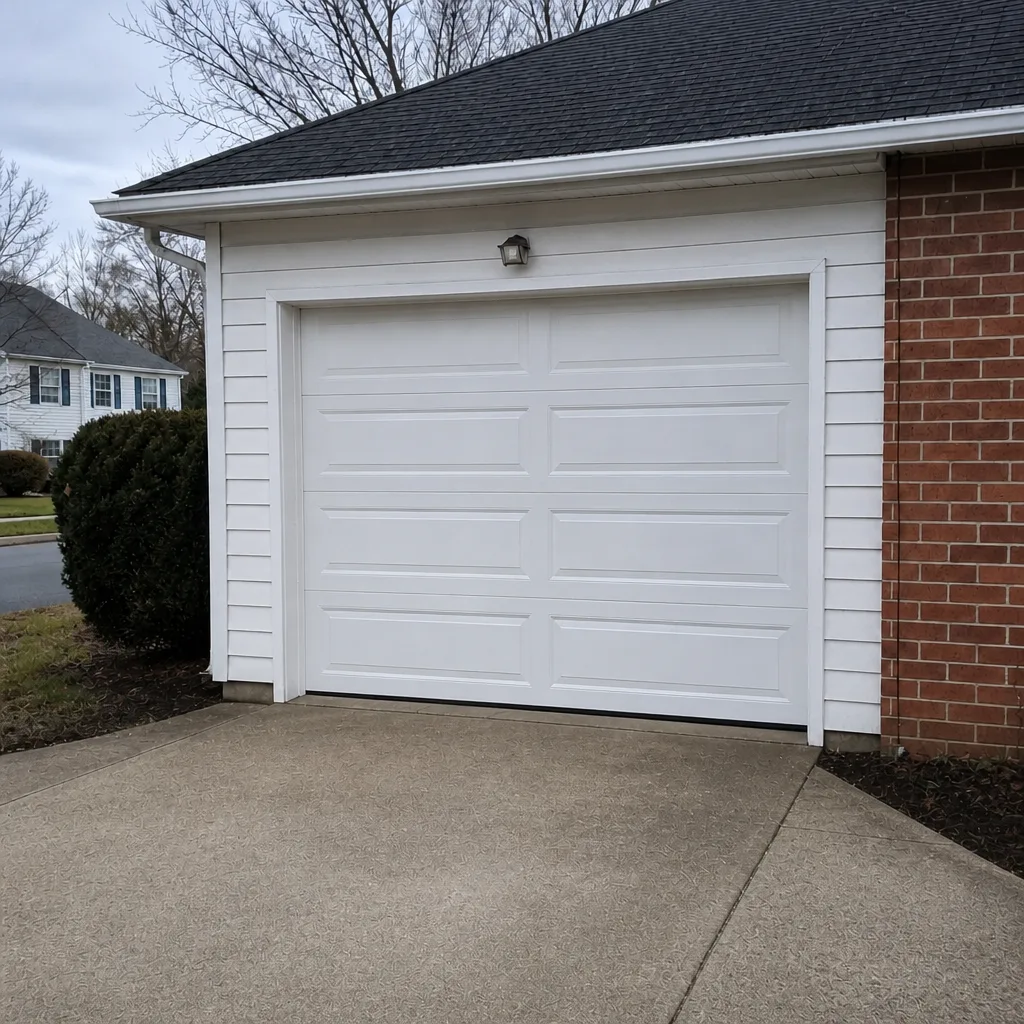
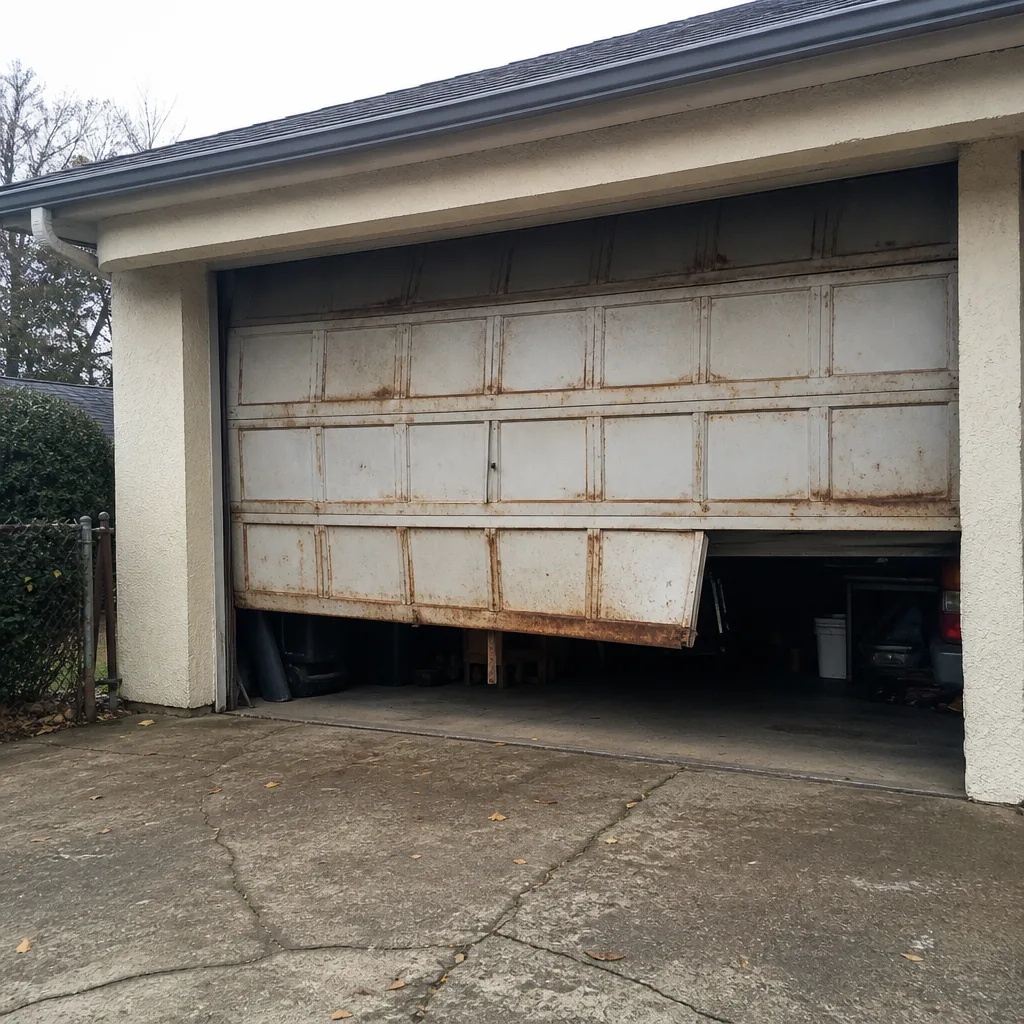
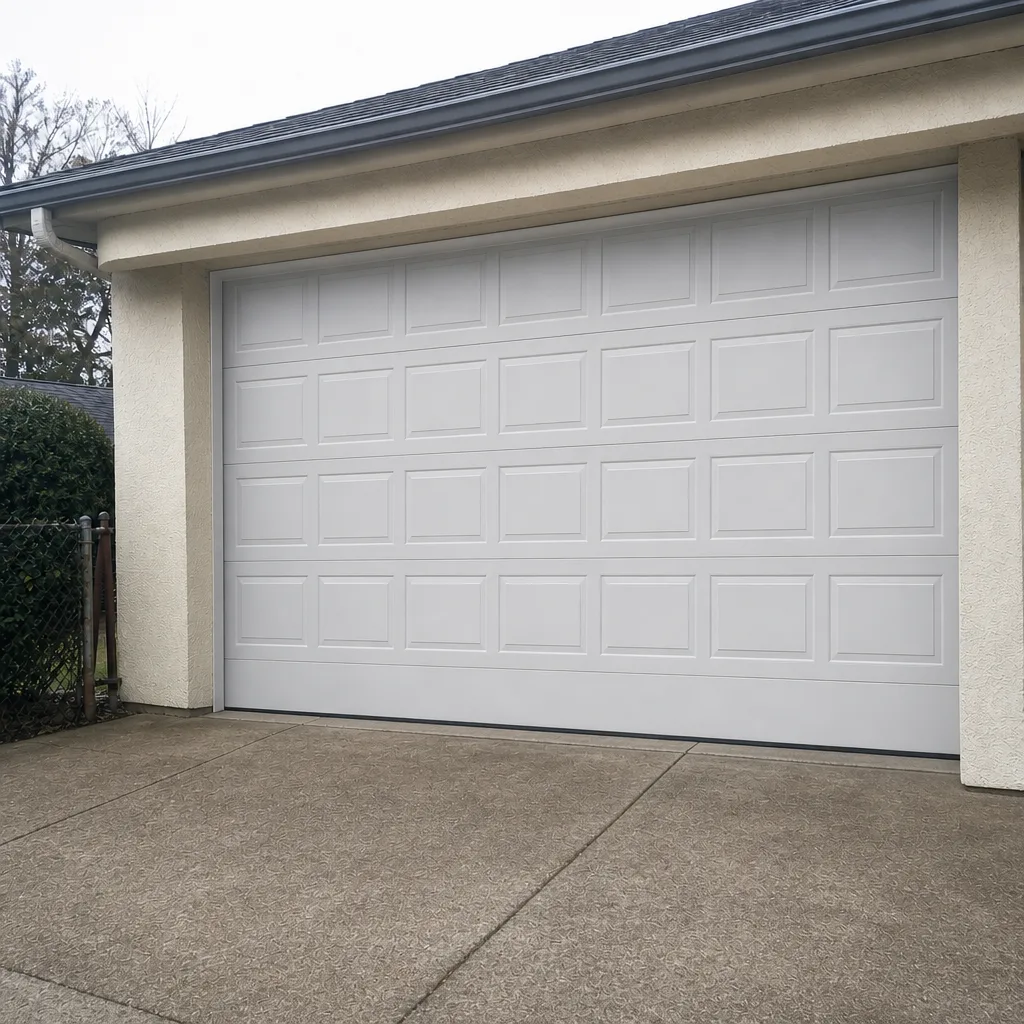
See the difference
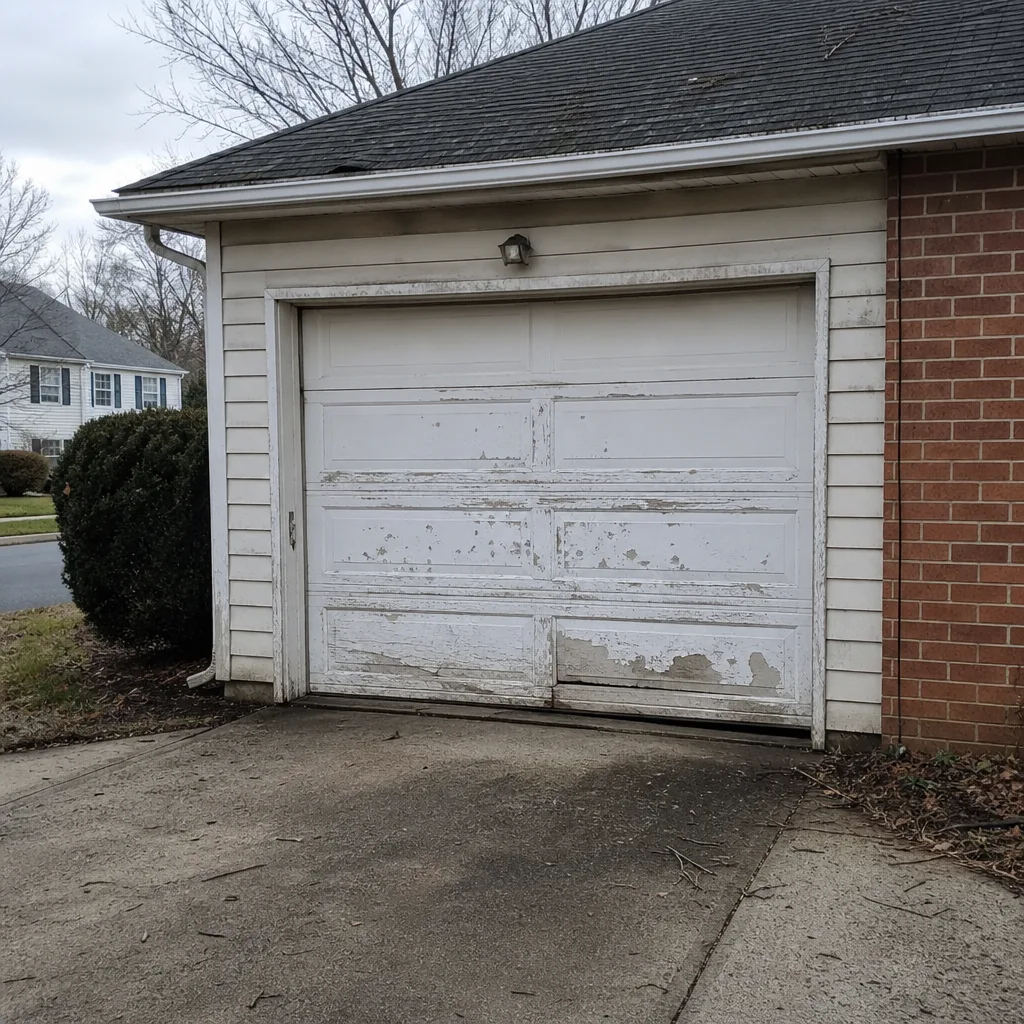 Before
 After
 Before
 After
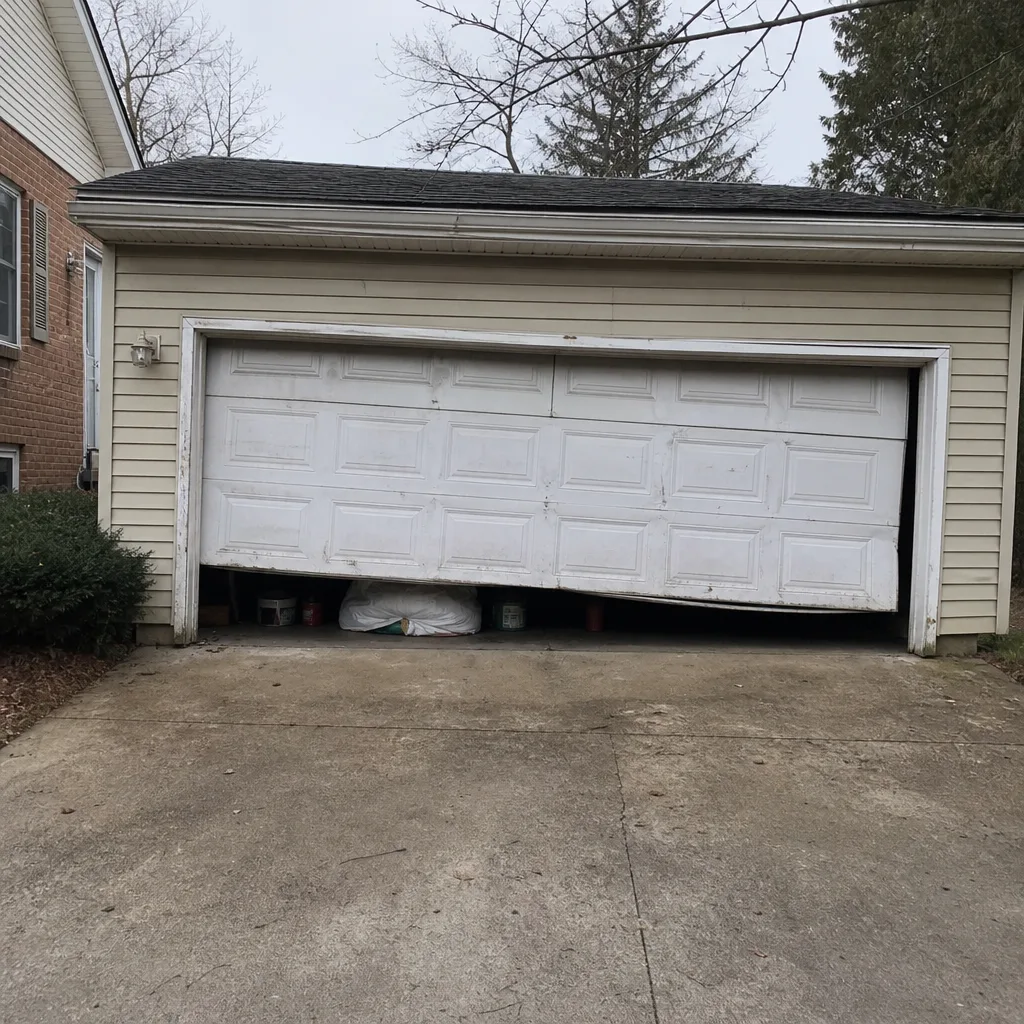 Before
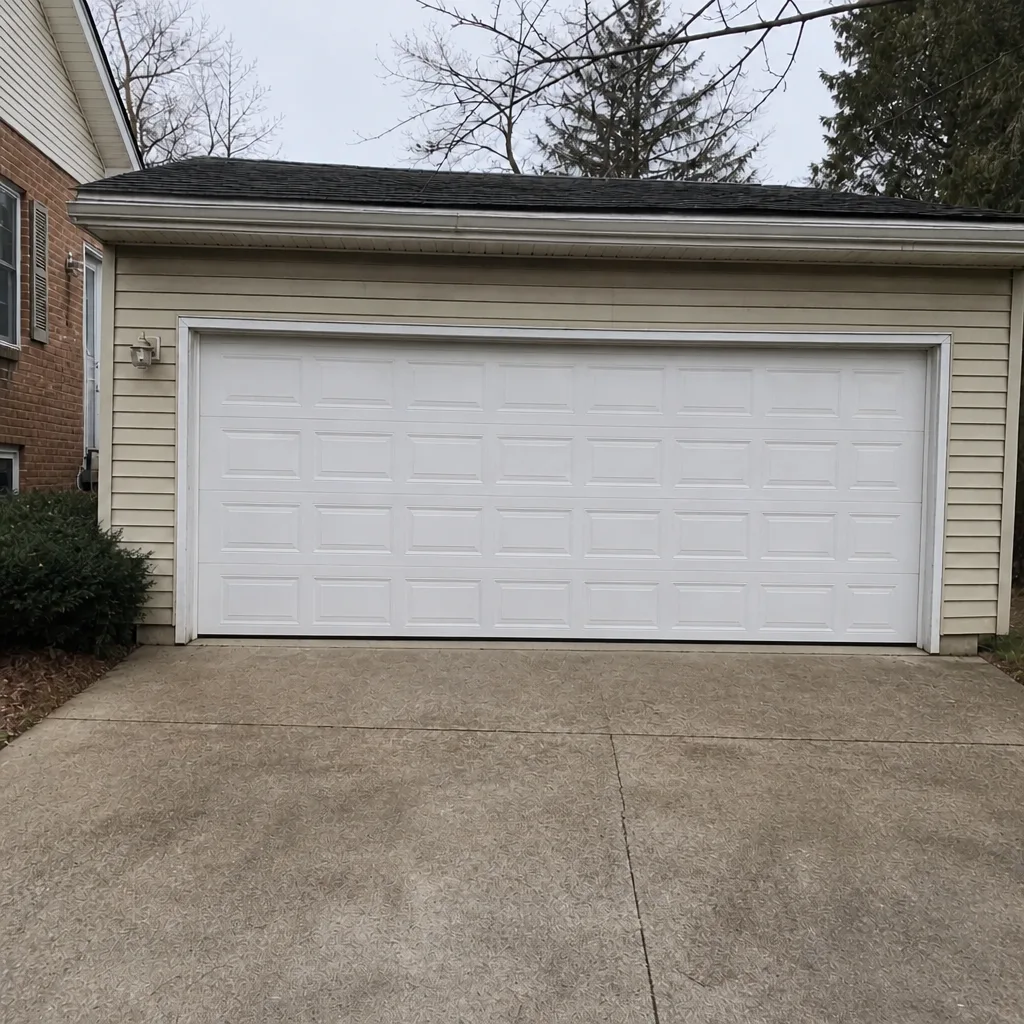 After
When to Call a Professional
Call us when the checklist turns up any of these: a gap or visible wear in the torsion spring, a frayed or kinked cable, a door that won’t lift or drops suddenly, a track out by more than 1/8 inch, a door that fails the 2×4 auto-reverse test, a door that reverses instantly or bounces, an opener that grinds, clicks or won’t respond, or a bottom seal that no longer contacts the floor. If you’re not sure, calling is cheaper than waiting for a failure. Tuckahoe Garage Door Repair Pros offers free estimates in Tuckahoe – call (866) 937-7740. We work on the brand you already own, from Clopay and Amarr doors to LiftMaster, Chamberlain, Genie, Wayne Dalton, Craftsman and Raynor openers, and we handle everything from a broken spring to a full new door. Emergency service is a core part of what we do, so when the door won’t move, you’re not stuck waiting for a callback. The price is quoted and agreed before any work starts, and our technicians have up to 13 years of experience. We’re closed on Saturdays, but if a door fails that day, call and we’ll book you for Sunday.
Frequently Asked Questions
Two to three times a year is the right pace for Tuckahoe’s climate. That’s because the humidity through summer and the temperature swings through winter work the door harder than a mild climate would. Focus the effort on rollers and hinges (lithium grease) and the weatherstripping (silicone spray), and leave the torsion springs alone. If a door only needs a light tune-up rather than a repair, a call to (866) 937-7740 gets you a free estimate on what’s actually needed.
No. WD-40 is a solvent, not a lubricant, and it strips away existing grease from roller bearings and spring coils. On rollers, that accelerates wear and noise. On torsion springs, nothing should be applied at all – the coils don’t need lubrication and any product only attracts grit. If your door is squeaking, use lithium grease on the roller bearings and hinges instead, or call us to identify what’s actually causing the noise.
A visible gap in the spring coil means it has already broken and should get a same-day call. Other warning signs are a stretched appearance, uneven coil spacing, rust or pitting, or a door that suddenly won’t lift or makes a loud bang. Tuckahoe’s humidity makes rust on spring coils a real concern. Don’t try to inspect the spring up close while it’s under tension – look from a distance and call a technician for the assessment. A free estimate with Tuckahoe Garage Door Repair Pros is the safest way to know, because our technicians have up to 13 years of experience with spring failures and can tell you in minutes whether the spring needs replacing.
It usually means the opener’s force setting is too low, so the door interprets ordinary resistance (debris on the track, a cold stiff spring, a slightly out-of-line track) as an obstruction and reverses. That’s not dangerous, but it will trip constantly. It can also happen if the photo-eye sensors are misaligned or dirty. A technician can adjust the force setting correctly and confirm the door is balanced – the two usually need checking together.
Light cosmetic variance under about 1/8 inch is normal and doesn’t need realignment. Beyond that threshold, or if the door binds, screeches or jumps a roller, realignment should go to a professional. The reason is that the door’s lift system stays under tension while you work on the tracks, and resetting a track wrong can make the door come off the rollers entirely. One visit fixes the alignment and confirms the door is balanced – call (866) 937-7740 for a free estimate.
Yes. Emergency garage door service is a core part of what we do, and it’s built for exactly the situation where the door won’t open or close and you can’t wait. We handle spring failures, cables, opener problems and any other sudden breakdown. We’re closed on Saturdays, so if the door fails that day, call and we’ll book you for Sunday. For a free estimate on any repair or maintenance call, reach us at (866) 937-7740.
The Bottom Line
A garage door checklist that actually protects your door and your family is specific about the details: which lubricant goes on which part, what the 2×4 test is telling you, and which checks are homeowner-safe versus a same-day call. The short version for Tuckahoe homeowners – lithium grease on rollers and hinges, silicone on seals, nothing on springs – plus a monthly auto-reverse test, a visual spring inspection, and a seasonal rhythm built around local humidity and winter freezes. Anything involving tension (springs, cables, realignment) belongs to a professional. When in doubt, get it checked rather than wait for a failure. A free estimate costs nothing and turns “the door seems off” into a clear answer.
Written by the team at Tuckahoe Garage Door Repair Pros.