Last updated November 23, 2026
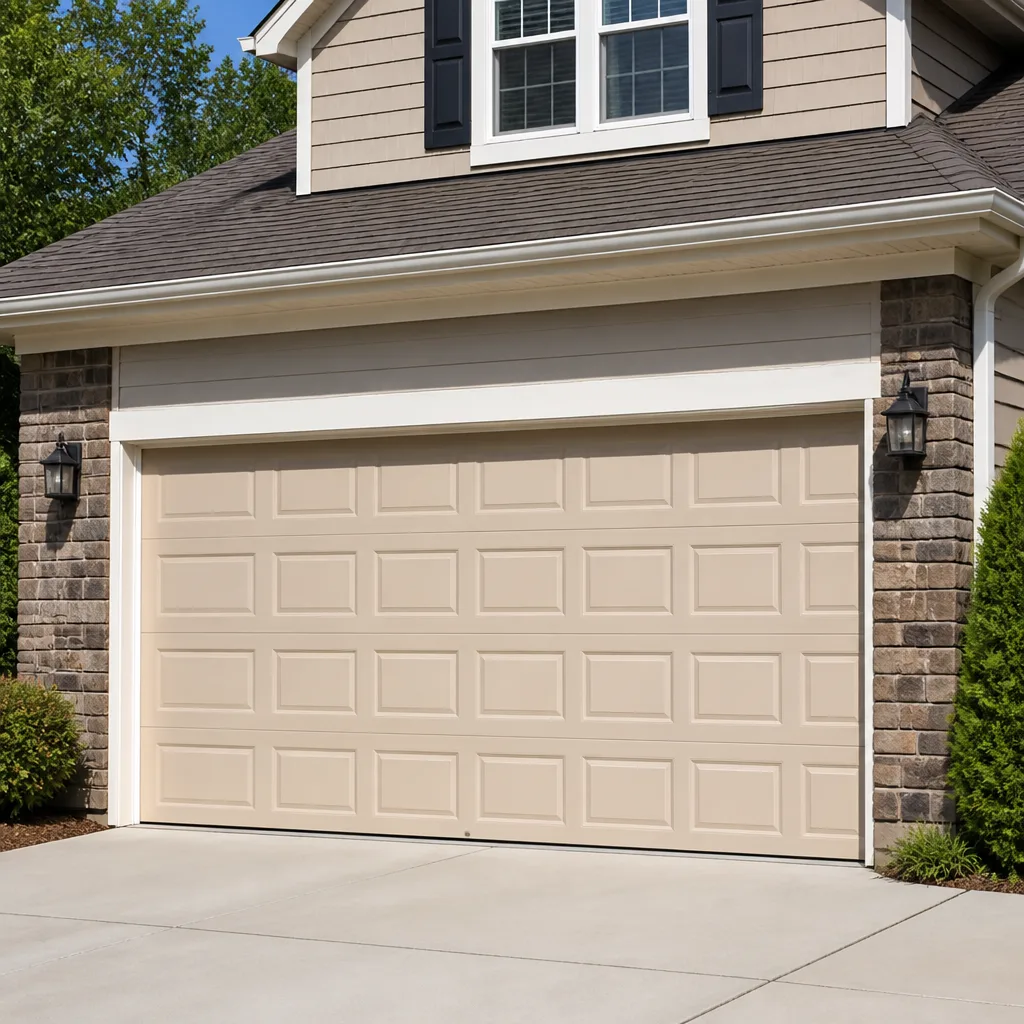 Raised-panel steel
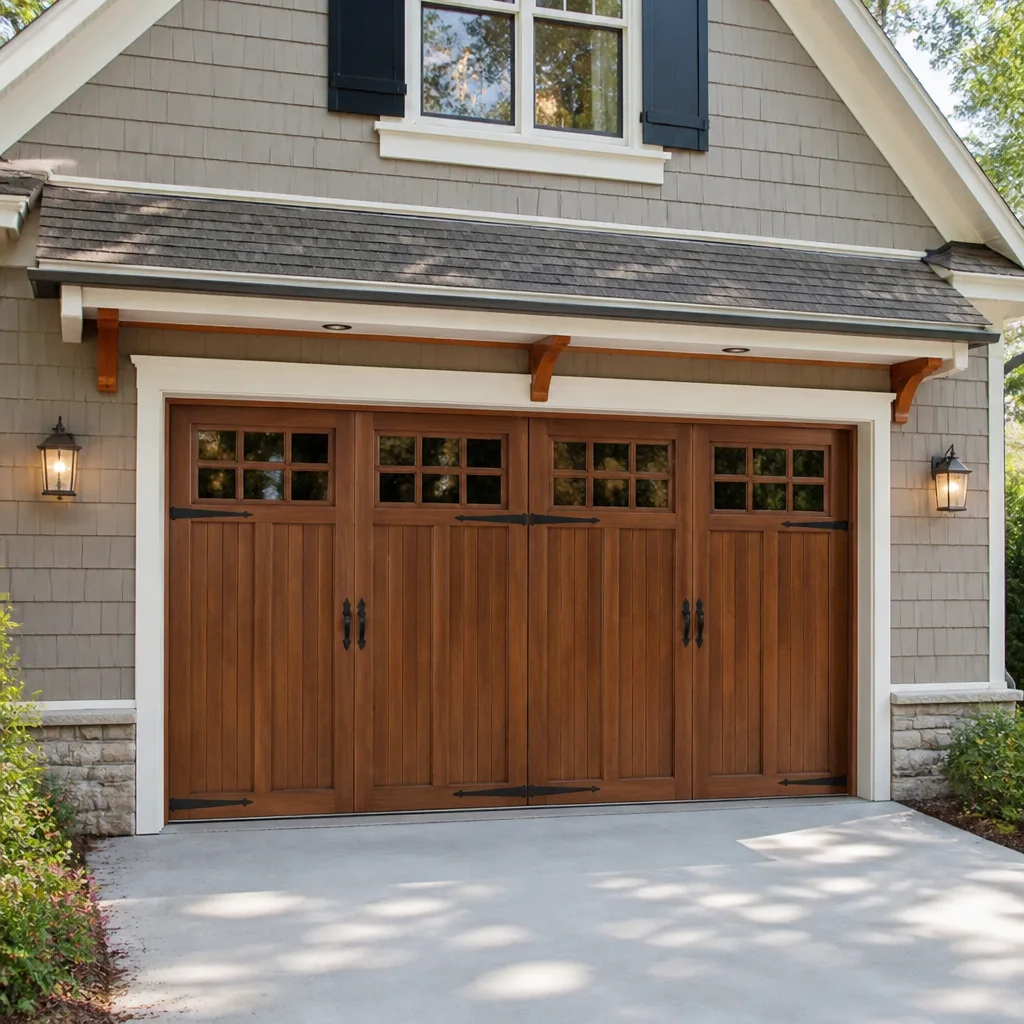 Carriage house
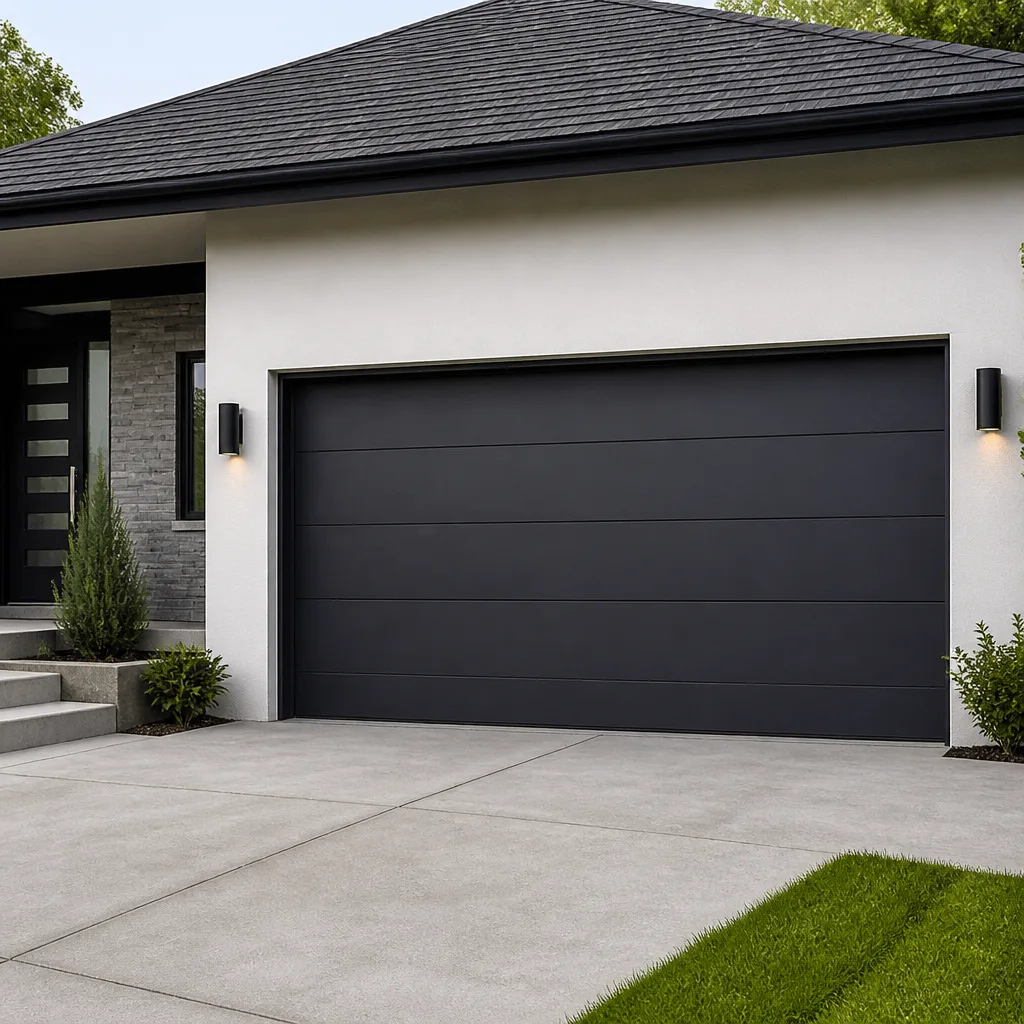 Modern flush
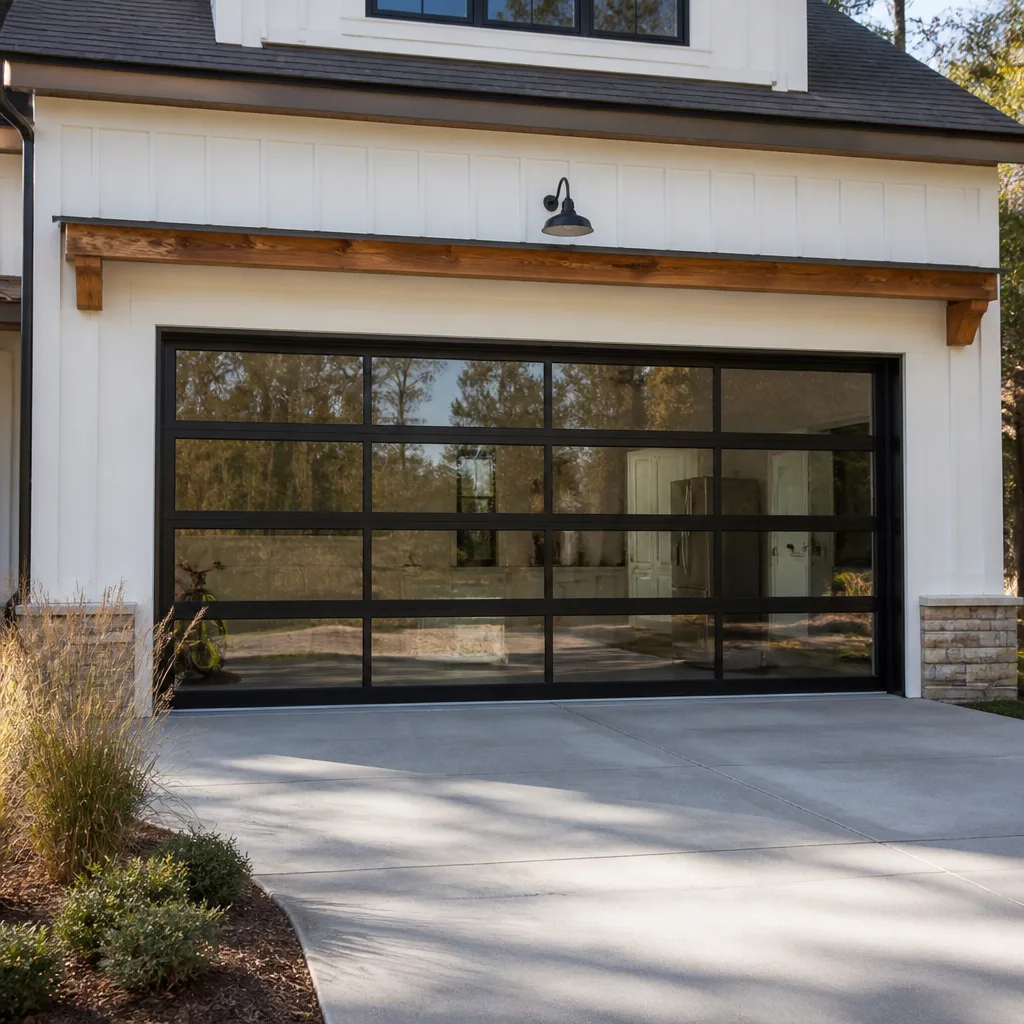 Full-view glass
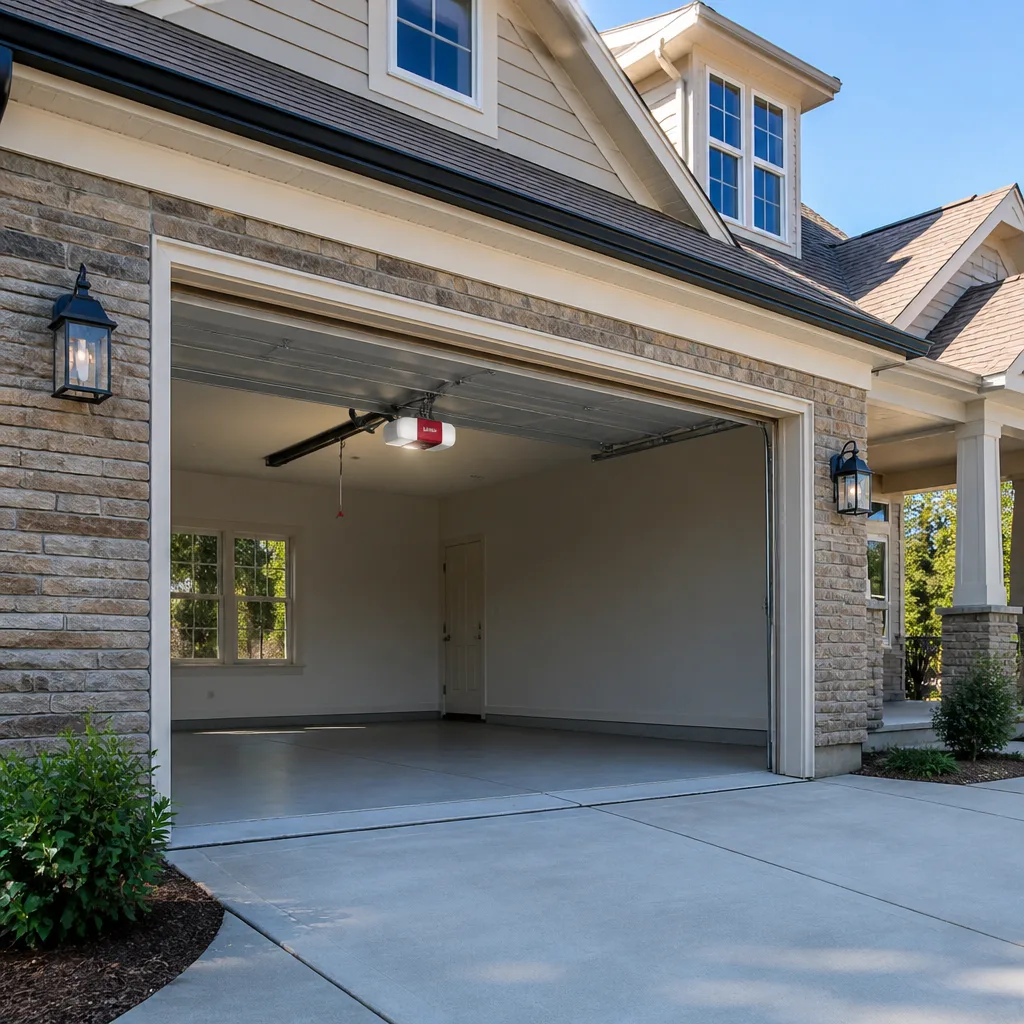 LiftMaster openers
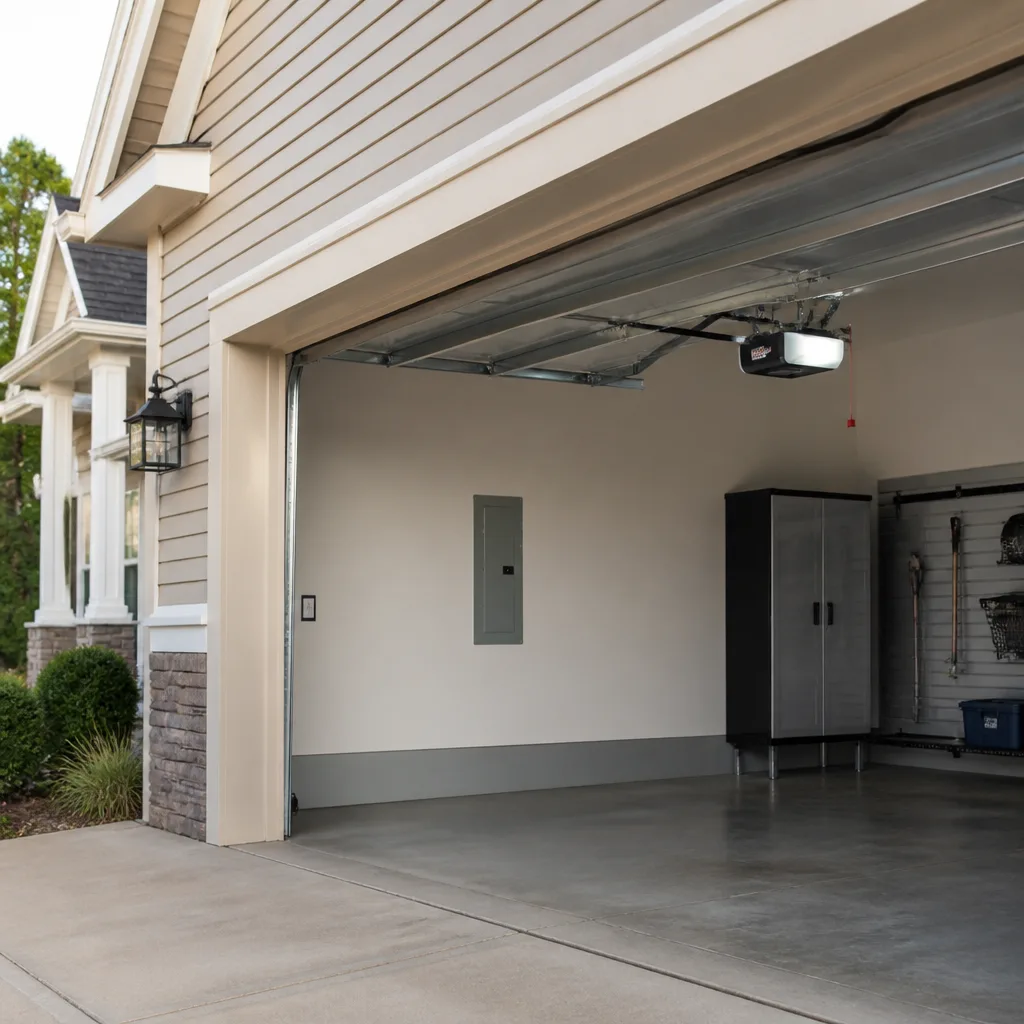 Chamberlain openers
Full 25-point door and opener safety check with every visit - springs, cables, rollers, tracks, and your LiftMaster or Chamberlain opener included
You get a price before we start. It does not change when the pro arrives.
Get your free estimateGarage Door Repair Troubleshooting in Tuckahoe: Common Problems and How to Fix Them
A door that reverses before it closes and a door that won’t move at all look like two versions of the same problem. They’re not. The first is usually a sensor or travel-limit issue you can sort out in a few minutes. The second is often a spring or opener failure that needs a trained hand. Treating them the same way is how homeowners waste an afternoon and occasionally break something else in the process. This guide maps the behavior you’re seeing to the component actually responsible, so you know fast whether you’re looking at a safe adjustment or a call-the-tech situation. We’ve organized it the way we diagnose in the field, and we’ve kept the Tuckahoe context – the humidity, the housing stock, the brands we see most – front and center.
Quick Answer
Most garage door problems in Tuckahoe trace back to one of six systems: springs, cables and drums, tracks and rollers, the opener, the safety sensors, or the door panels and hardware. If the door won’t move at all or you hear a loud bang from above, stop and call a professional – that’s a spring failure and it’s genuinely dangerous. If the door reverses, grinds lightly, or one remote stopped working, it’s usually a sensor alignment, track obstruction, or reprogramming fix you can try yourself. Match the symptom to the system first, and the right answer follows.
Styles & brands we work with
- Raised-panel steel
- Carriage house
- Modern flush
- Full-view glass
- LiftMaster openers
- Chamberlain openers
Table of Contents
- Symptom-to-System Map: What Your Door Is Telling You
- Why Does My Door Reverse Before It Closes?
- Broken Springs: The Sound You Should Never Ignore
- Grinding, Squeaking, and the Track Rust Tuckahoe Deals With
- Opener Troubles by Brand: LiftMaster, Chamberlain, Genie Codes
- Safe DIY Fixes vs. Calls That Need a Technician
- The Second-Problem Trap: Why Doors Fail Again in Weeks
- When to Call a Professional
Symptom-to-System Map: What Your Door Is Telling You
Garage doors don’t fail randomly. Each behavior points to a specific component, and once you know which one, the diagnosis narrows fast. Here’s the map we use on every call in Tuckahoe.
- Door reverses before closing: safety sensors, travel limits, or a track obstruction. Rarely the springs.
- Door reverses before opening fully: travel limits on the opener, or a bind in the track.
- Loud bang, door won’t lift: torsion or extension spring failure. Stop here and call a technician.
- Door tilts or hangs on one side: a snapped cable or a worn roller. Both can be dangerous.
- Grinding or squealing during travel: dry or worn rollers, bent track, or a failing opener gear.
- Opener hums but door doesn’t move: stripped opener gear, or the emergency release was pulled.
- One remote works, another doesn’t: remote programming or a failing battery, not a door problem.
- Door closes then immediately reopens: sensor misalignment or something blocking the photo-eye.
Notice that only three of those eight behaviors are genuinely dangerous. The rest are diagnostic puzzles. That’s the point of mapping by symptom rather than guessing: you avoid the trap of assuming every problem is a spring, or that every reversal is a sensor.
The other thing worth saying: the same symptom can come from two very different components. A door that reverses before closing could be a misaligned photo-eye you can fix in two minutes, or a travel limit that’s drifted after months of temperature swings. In Tuckahoe, where doors cycle through humid summers and cold snaps, travel limits drift more often than most homeowners expect. When you find yourself stuck between two possibilities, it’s usually worth a look before assuming the worst. A good starting point for the broader picture is our overview of Tuckahoe Garage Door Repair Pros and how we approach diagnostics.
Why Does My Door Reverse Before It Closes?
A reversing door is almost always a safety sensor or a travel-limit problem, not a mechanical failure. The system is doing exactly what it was designed to do: refusing to close because it thinks something is in the way. That’s good news. It means nothing is broken – something is just misaligned or blocked.
Here’s the order we check things in:
- Look at the photo-eye sensors at the bottom of each track. Are the small LED lights steady, or blinking? A blinking light on either sensor means the beam is broken or misaligned.
- Wipe the sensor lenses. Dust, spider webs, and condensation cloud the lens, and in a humid Tuckahoe garage the lenses fog up more than people realize.
- Check for obstructions. A broom handle, a stored box, even a leaf can block the beam.
- Loosen and re-aim the sensors. They should face each other squarely, at the same height. Tighten them back down firmly.
- Test the door. If it still reverses, the issue is likely travel limits or the opener’s force settings, not the sensors.
The Tuckahoe angle here is real. Photo-eye sensors don’t love humidity. When the air gets heavy in summer and the mornings run damp off the river corridor, condensation and dust combine to interrupt the beam more often than in drier months. If your door starts reversing every year around the same time, that’s a seasonal sensor issue, not a mechanical one.
If the sensors check out clean and correctly aligned and the door keeps reversing, the next suspect is the opener. That’s where a proper garage door opener repair assessment makes sense, because the travel limits and force adjustments live inside the opener housing and need a careful hand.
Broken Springs: The Sound You Should Never Ignore
If you’ve heard a sharp bang from the garage and the door now feels impossibly heavy or won’t lift at all, a spring has failed. Many homeowners describe it as sounding like a gunshot. That’s the stored energy in a torsion or extension spring releasing at once. This is the single most dangerous repair in a residential garage door system, and it is not a homeowner job.
Springs do one thing: they counterbalance the dead weight of the door, which is often far heavier than it looks. A torsion spring on a two-car door is under serious tension even when the door is closed. When that spring breaks, the door can come down hard, the cables can snap, and the drum can spin loose. The right move, every time, is to stop pulling on the door and call for help.
What we check on a spring call in Tuckahoe:
- Whether one spring or a matched pair failed – on a two-spring system the pair is usually replaced together, because the survivor is on the same wear clock.
- Cable condition at the drums – a failed spring often takes cable with it.
- Whether the door is sitting level, because a broken spring on one side throws the whole door out of balance.
- The opener’s force settings, which need to be reset after the repair.
A responsible technician won’t just swap the spring. They’ll check the surrounding hardware so the door isn’t back to the same failure in a few weeks. That’s the substance behind proper garage door spring repair – matching the right spring to the door’s weight and confirming the cables, drums, and bottom brackets are sound before anyone touches the opener.
One practical note: a spring failure never happens in isolation. If you’re hearing the bang and the door goes slack, don’t try to lift it by hand to “test” it. That’s how injuries happen. Call, and we’ll get a technician out to assess the whole system.
Grinding, Squeaking, and the Track Rust Tuckahoe Deals With
Grinding and squeaking are usually track and roller problems, and in Tuckahoe they’re a seasonal reality. The James River corridor keeps the air humid for long stretches, and that humidity does a number on the steel tracks and the roller bearings. Rust doesn’t make a track fail overnight, but it does add friction, and friction is what turns a smooth door into a noisy one.
What to check:
- Track alignment: stand inside the garage and sight down each vertical track. Any bend, dent, or gap between track and door is a problem.
- Roller condition: rollers should spin freely and look round. Flat spots, cracks, or visible rust on the bearing mean replacement.
- Lubrication: a garage door needs proper door hardware lubricant on the hinges, rollers, and track – not WD-40, which attracts dust and gums up over time.
- Loose hardware: hinges and brackets work themselves loose over the years. A quick tighten with a socket set fixes most rattles.
Here’s the honest split: keeping the tracks clean, clearing rust with a light abrasive pad, and lubricating the rollers is a reasonable homeowner task. Straightening a bent track is not, and neither is replacing a roller on a torsion-spring door, because the door has to be locked in the open position and the tension managed. If the track is visibly bent or the door is binding, that’s a job for a technician.
One Tuckahoe-specific thing we’d mention: if your garage is unheated and the door faces the traffic from Route 288 or the river side, you’ll get more road dust and moisture on those tracks. Wiping them down twice a year is the single best thing you can do to keep the door quiet through the humid months.
Opener Troubles by Brand: LiftMaster, Chamberlain, Genie Codes
The three most common opener families in Tuckahoe garages – LiftMaster, Chamberlain, and Genie – all tell you what’s wrong. They just do it in different languages. Learning to read yours saves you time and, often, an unnecessary service call.
LiftMaster and Chamberlain use diagnostic codes, and because they share engineering DNA, the codes often look similar. A blinking light pattern is usually pointing to one of a handful of things: safety sensor obstruction, a travel-limit issue, or a logic board fault. Chamberlain’s MyQ app can push a specific alert to your phone, which is genuinely useful – it tells you the door opened, or that the opener lost its connection, without you having to guess.
Genie tends to favor blink codes on the opener housing. A certain number of blinks maps to a specific fault in the owner’s manual, and once you know the count, the diagnosis is often settled. Genie’s codes are less intuitive than LiftMaster’s, so having the manual handy (or calling us with the blink count) saves a step.
Clopay is a door manufacturer, but plenty of Clopay doors sit behind Chamberlain or LiftMaster openers, so when we’re diagnosing, we check the door and the opener separately. The door doesn’t usually cause a reversing or non-response problem; the opener and sensors do.
What these codes can’t fix on their own: a stripped gear inside the housing, a failed logic board, or a drive assembly that’s worn out. Those need an opener repair. We work across all of these brands, so we’re not guessing which one your system is – we read the same code you do and go straight to the failing part. Our garage door repair team handles the full spectrum, from a code-driven sensor fix to a full opener replacement, and we source the correct parts for your specific model rather than a generic workaround.
One quick free win: before you call, count the blinks or check the app alert. That single detail often shortens the diagnostic visit and saves you money.
Safe DIY Fixes vs. Calls That Need a Technician
Not everything is a technician call, and we’d rather tell you which is which than have you waste an afternoon or hurt yourself. Here’s the honest split.
Safe to try yourself:
- Cleaning and realigning photo-eye sensors.
- Reprogramming a remote or re-pairing it to the opener (LiftMaster, Chamberlain, Genie all have straightforward reprogramming steps in the manual).
- Lubricating rollers, hinges, and tracks with proper door hardware lubricant.
- Clearing obstructions from the door path.
- Tightening loose hinge screws and bracket bolts.
Call a technician:
- Springs (torsion or extension): stored energy, serious injury risk. Never attempt this.
- Cables and drums: under tension, and a snap can cause serious injury.
- Bottom brackets: they carry cable tension and can fail violently.
- Track replacement or straightening: the door has to be held safely and the geometry matters.
- Opener internal failures: gears, logic boards, drive assemblies.
- Panel replacement on a torsion door: the tension has to be relieved first.
The line is simple: if the fix involves the springs, the cables, the drums, or the bottom brackets, stop. Those components hold stored mechanical energy, and they don’t care how careful you are. Everything else on the safe list is something we’d genuinely encourage a homeowner to try.
If you’re on the fence, one honest test: does the repair require raising the door, releasing the opener, or touching any part under tension? If yes, call. If it’s a sensor, a remote, or a wipe-down, you’re fine to handle it.
The Second-Problem Trap: Why Doors Fail Again in Weeks
Here’s the pattern we see most often in Tuckahoe: the door gets fixed for the visible symptom, works fine for two or three weeks, and then fails again – usually harder. The trap is that the symptom wasn’t the problem. It was the latest sign of underlying wear.
A few examples of how this plays out:
- The spring was replaced, but the cables weren’t checked. A worn cable fails under the new spring’s tension and the door binds or drops.
- The rollers were lubricated, but the track was already bent. The lubrication reduces friction, the bent track keeps wearing the rollers, and the noise comes back.
- The opener’s force settings were cranked up to compensate for a stiff door. The door “works,” but the opener is now straining, and the gear wears faster.
- A sensor was realigned but the lens still has a film of condensation. The reversing starts again the next damp morning.
The fix is a complete assessment, not a symptom whack. When we do a repair in Tuckahoe, we check the door’s balance, the cables, the drums, the rollers, the track alignment, and the opener’s force settings before we close the call. That’s not upselling – it’s the difference between a repair that holds and one that comes back. A door that fails again in weeks usually failed because someone fixed the symptom and skipped the diagnosis.
Common Mistakes to Avoid
- Pulling on a door with a broken spring. The door is far heavier than it looks without spring tension, and lifting it can trigger a collapse. Stop and call.
- Using WD-40 on tracks and rollers. It attracts dust and turns into a gummy film. Use a proper garage door lubricant, and in Tuckahoe’s humidity, apply it more often.
- Cranking up the opener’s force setting to make a stiff door move. That masks the real problem and wears out the opener’s gear faster. Find out why the door is stiff.
- Replacing one spring on a two-spring door and leaving the other. The remaining spring is on the same wear clock and usually fails soon after. Replace the pair.
- Assuming a reversing door needs a new opener. Nine times out of ten it’s the photo-eye sensors or travel limits. Check those first.
- Ignoring a small track bend. A minor bend becomes a worn roller, then a binding door. Catch it early.
- Calling repeatedly for the same symptom without a full assessment. If the door keeps failing, something upstream of the symptom hasn’t been checked.
See the difference
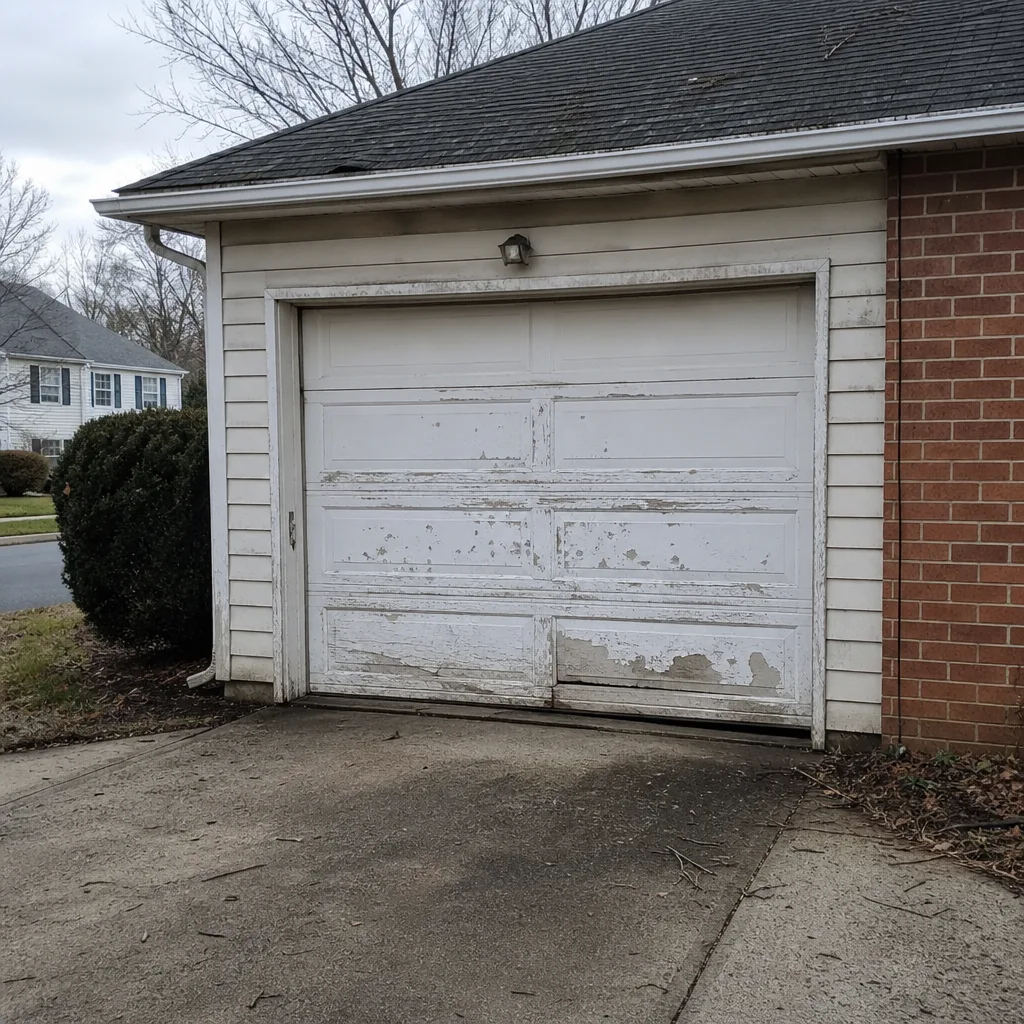 Before
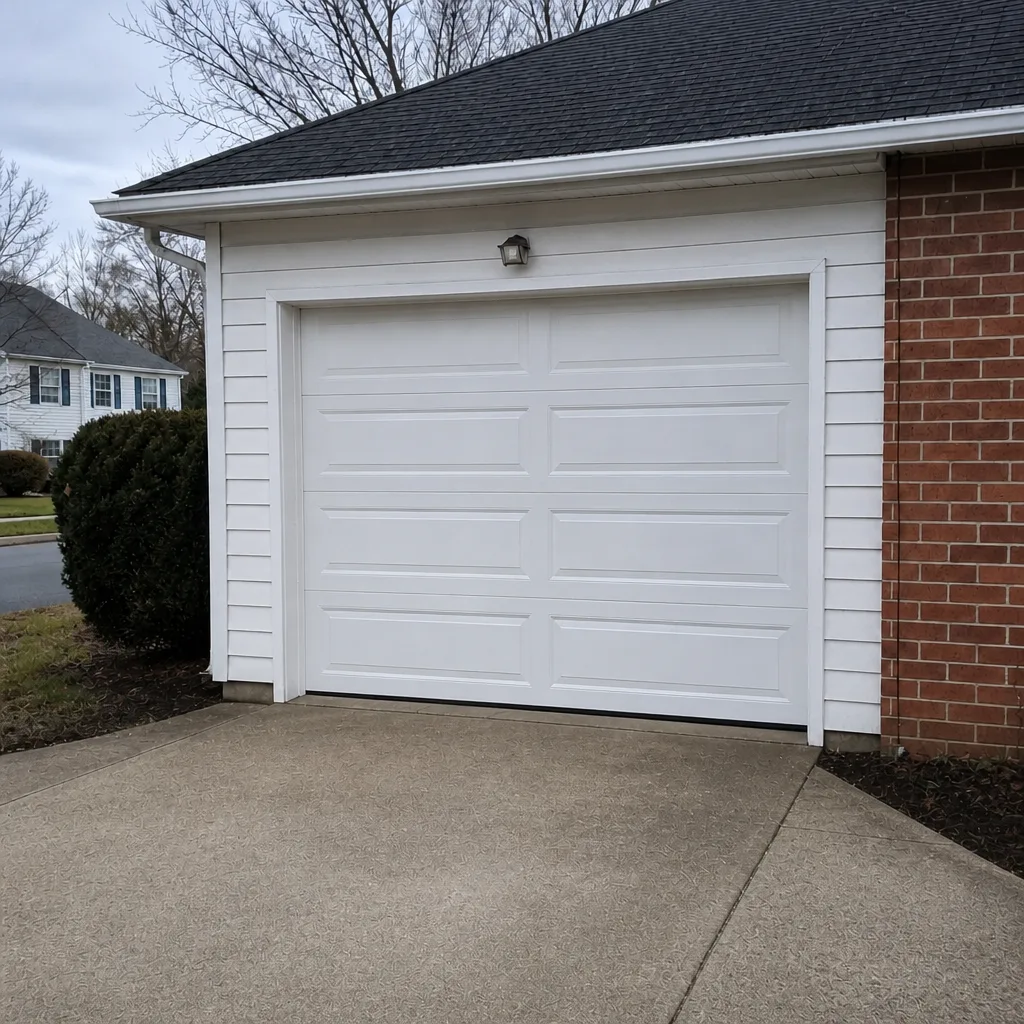 After
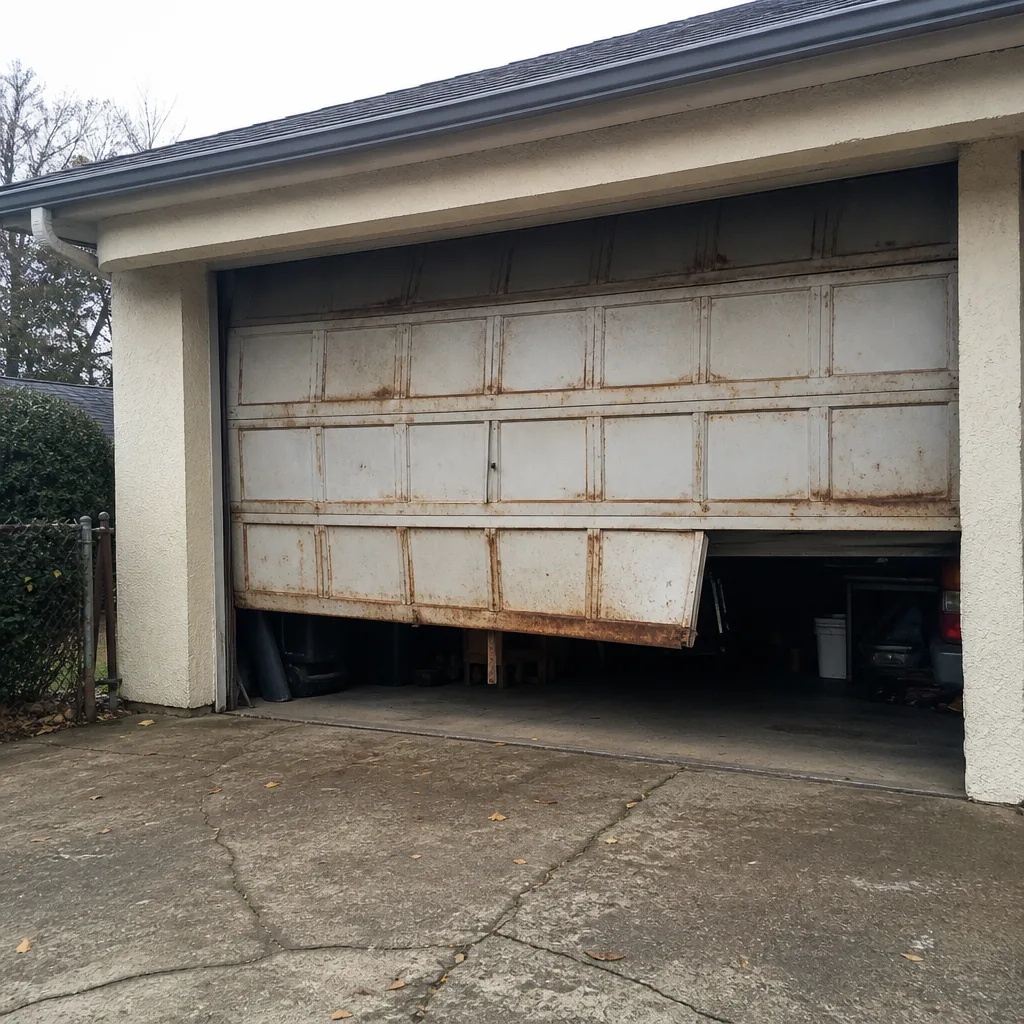 Before
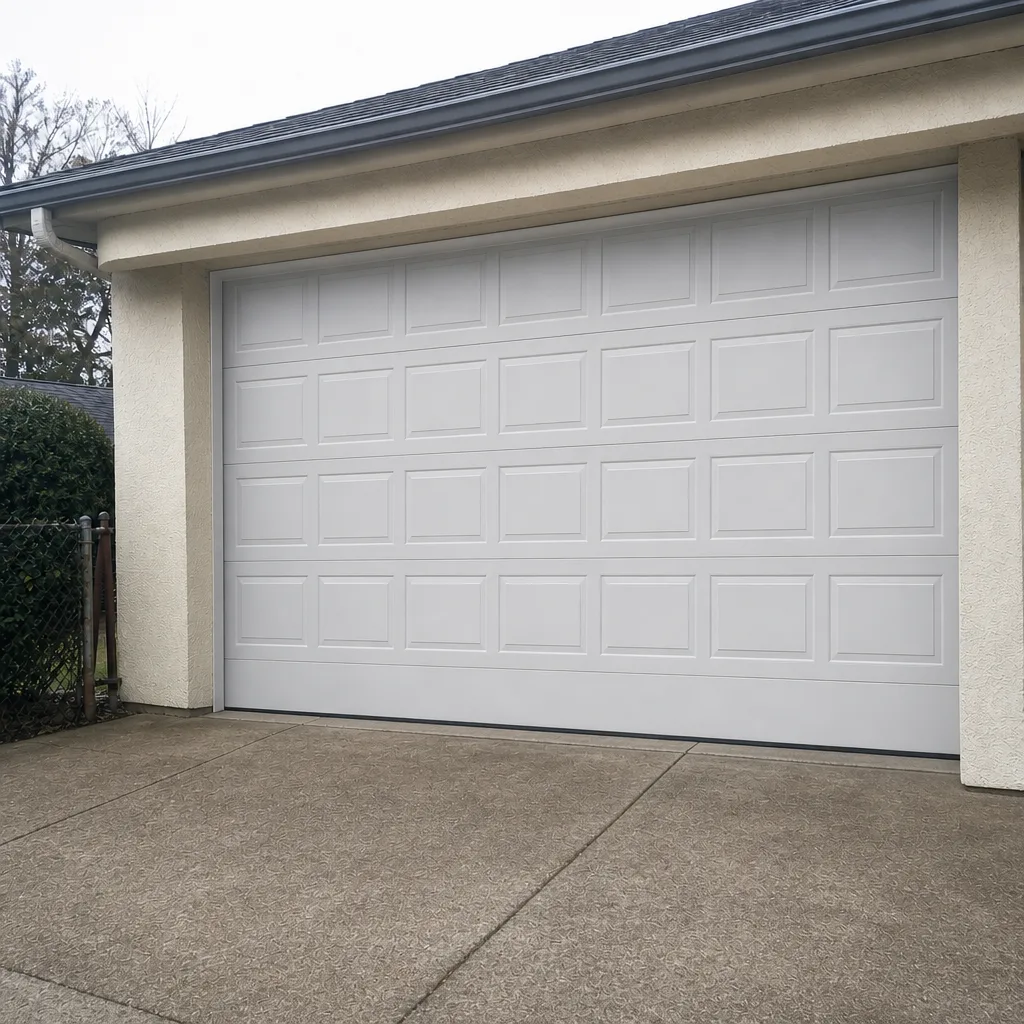 After
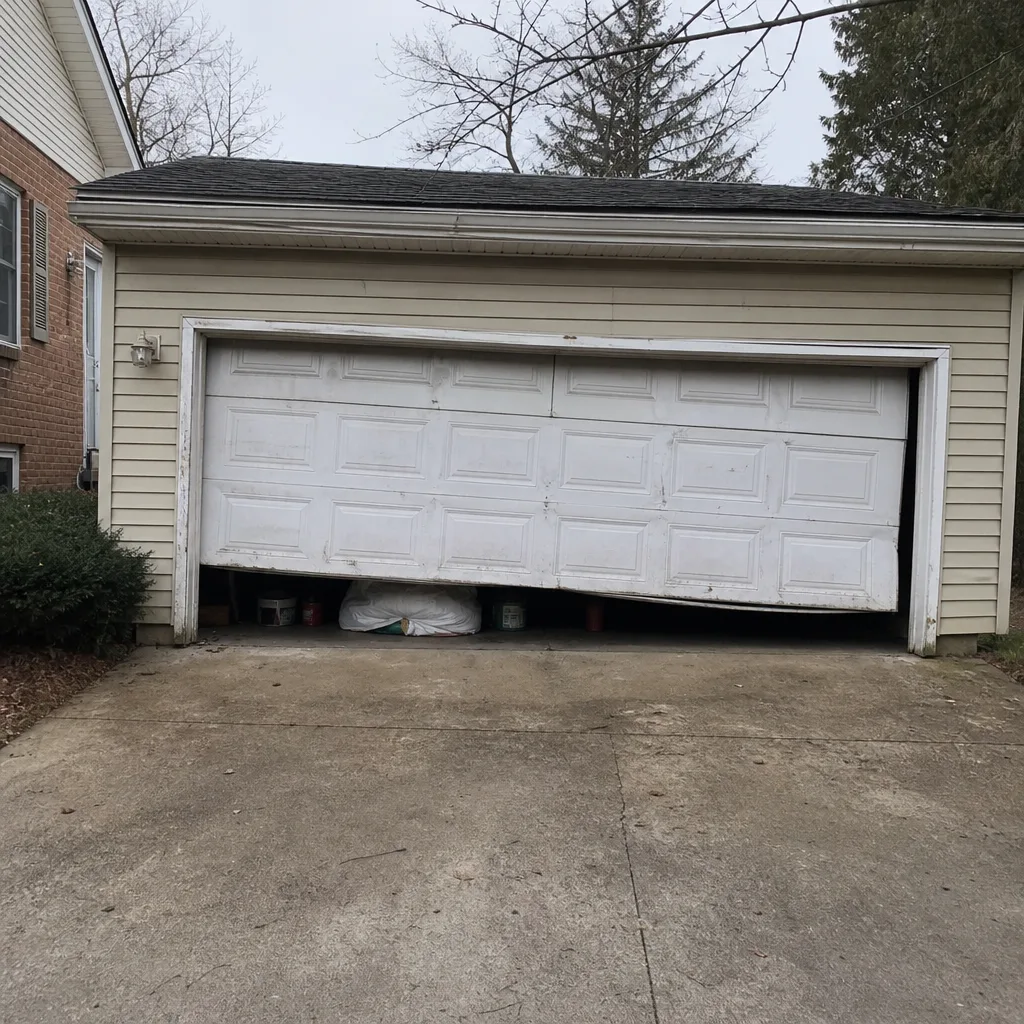 Before
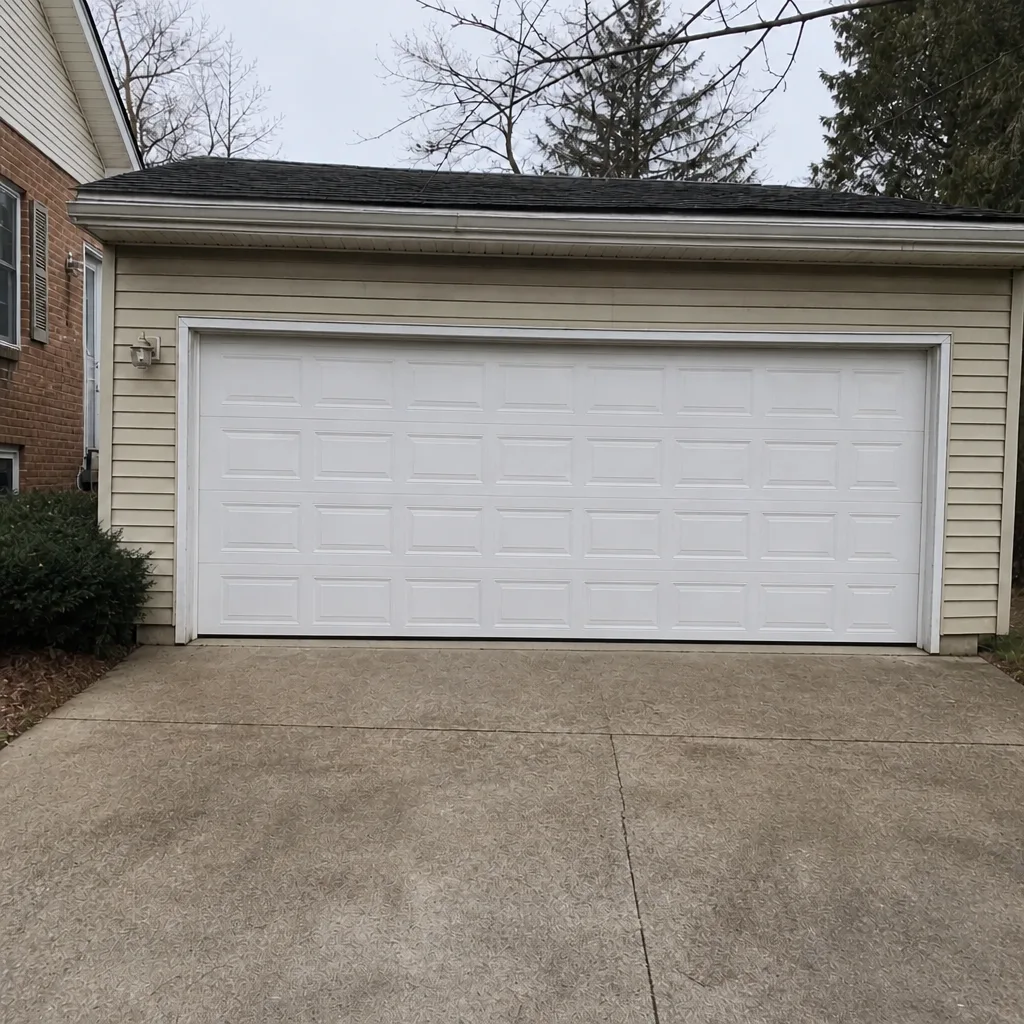 After
When to Call a Professional
Call us if the door won’t lift at all, if you’ve heard a loud bang from the overhead hardware, if the door tilts or hangs on one side, if a cable looks slack or frayed, or if the door reverses and you’ve already cleaned and aligned the sensors. Call if the opener hums without moving the door, if the door comes down hard or unevenly, or if you’re simply not sure whether a noise is normal. Springs, cables, drums, and bottom brackets are the four components that carry stored energy, and any of them means a technician call. Tuckahoe Garage Door Repair Pros offers free estimates in Tuckahoe – call (866) 937-7740. Our technicians have up to 13 years of experience, and we diagnose the symptom and the underlying wear in the same visit.
Frequently Asked Questions
A reversing door is almost always a misaligned or obstructed safety sensor, or a travel-limit setting that has drifted. Clean the photo-eye lenses, check for anything blocking the beam, and re-aim the sensors squarely at each other. In Tuckahoe’s humid months, condensation on the lenses makes this more common. If the door still reverses after that, call (866) 937-7740 for a free estimate on an opener diagnostic.
Spring repair is priced per spring, and the written estimate we give you before any work starts is the price you pay. It depends on whether you have a torsion or extension system and whether you’re replacing one spring or the matched pair. We quote it upfront and confirm it before we touch the door. Call (866) 937-7740 for a free estimate – there’s no charge for the quote.
Yes – emergency garage door service is a core offering, and a door that won’t open or close is exactly the situation it’s for. We handle spring failures, cable snap, and opener breakdowns when waiting isn’t an option. Call (866) 937-7740 and we’ll get a technician scheduled as fast as we can.
No. The price is quoted and agreed before any work starts. If we open the door and find something beyond what the symptom suggested – a worn cable behind a spring failure, for example – we tell you and re-quote before proceeding. You’re never billed for work you didn’t approve. Call (866) 937-7740 for an upfront quote.
The local professionals we connect you with are licensed and insured as their state requires, and we work with insured, vetted technicians. If you have a specific documentation request, ask when you call and we’ll point you in the right direction. Call (866) 937-7740 for a free estimate.
On LiftMaster and Chamberlain openers, a blinking light plus a beep is almost always a safety-sensor fault or a travel-limit issue, and the MyQ app often names the specific fault. On Genie units, count the blinks and match them to the owner’s manual – each count maps to a different fault. Either way, tell us the brand and the blink pattern when you call (866) 937-7740, and we’ll know what to bring.
The Bottom Line
Most garage door problems fall into six systems, and matching the symptom to the system tells you whether it’s a quick DIY fix or a technician call. Reversing doors are usually sensors or travel limits – check those first. Anything involving springs, cables, drums, or bottom brackets is a hard stop and a call to a professional. In Tuckahoe, humidity off the river corridor accelerates track wear and sensor fogging, so seasonal maintenance pays off. And when you do call, ask for a full assessment, not just a symptom fix, so the door doesn’t fail again in weeks. We work on the brand you already have – LiftMaster, Chamberlain, Genie, Clopay, and several others – so you’re not starting from scratch with a generalist.
Call Tuckahoe Garage Door Repair Pros at (866) 937-7740 for a free estimate. Whether it’s a sensor you can’t quite diagnose, a spring that’s failed, or an opener that’s telling you something in code, we’ll take the call and give you an honest answer before you commit to anything.
Written by the team at Tuckahoe Garage Door Repair Pros.